
Why go
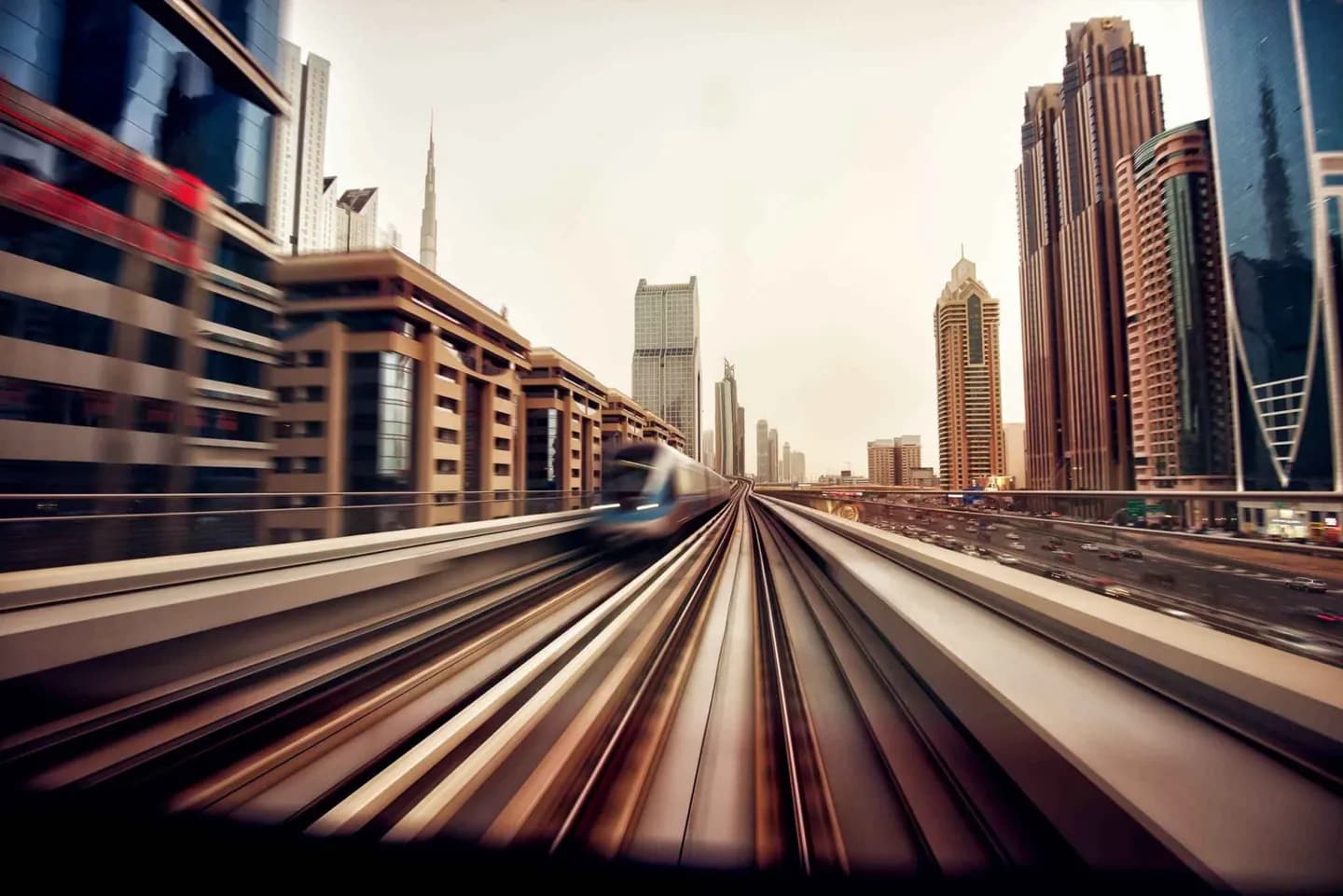
This era explains the city’s dramatic scale and its contrast with the Creek districts. Oil revenue funded early expansion, but trade, port facilities and service industries became equally important to the later urban model. Jebel Ali, the airport corridors and the western coast show how infrastructure reshaped the emirate after federation.
What to look for
- Oil was discovered in Dubai in 1966, with first exports following in 1969.
- Dubai joined the United Arab Emirates in 1971.
- Jebel Ali’s port and free zone became key parts of the later trade economy.
The full story
The discovery of oil in 1966 was a decisive financial turning point for Dubai, and the first exports followed in 1969. When the United Arab Emirates formed in 1971, Dubai became one of its constituent emirates; the UAE dirham followed in 1973. Oil revenue supported roads, utilities and construction, but the emirate also invested in trade infrastructure. Jebel Ali Port and its free zone expanded Dubai’s role as a logistics and commercial centre. Later development added aviation, finance, technology and media clusters. The result is a city where the older Creek remains a reminder of trade before oil, while the coast and port corridors show the scale of the later transformation. It also explains why a visit often involves moving between distinct urban zones rather than one historic centre.
Useful to know
- Compare the Creek with Jebel Ali or the western coast to see the shift from harbour town to regional infrastructure hub.
- Expect long travel distances between historic districts and the newer port-and-coast development.