
Why go
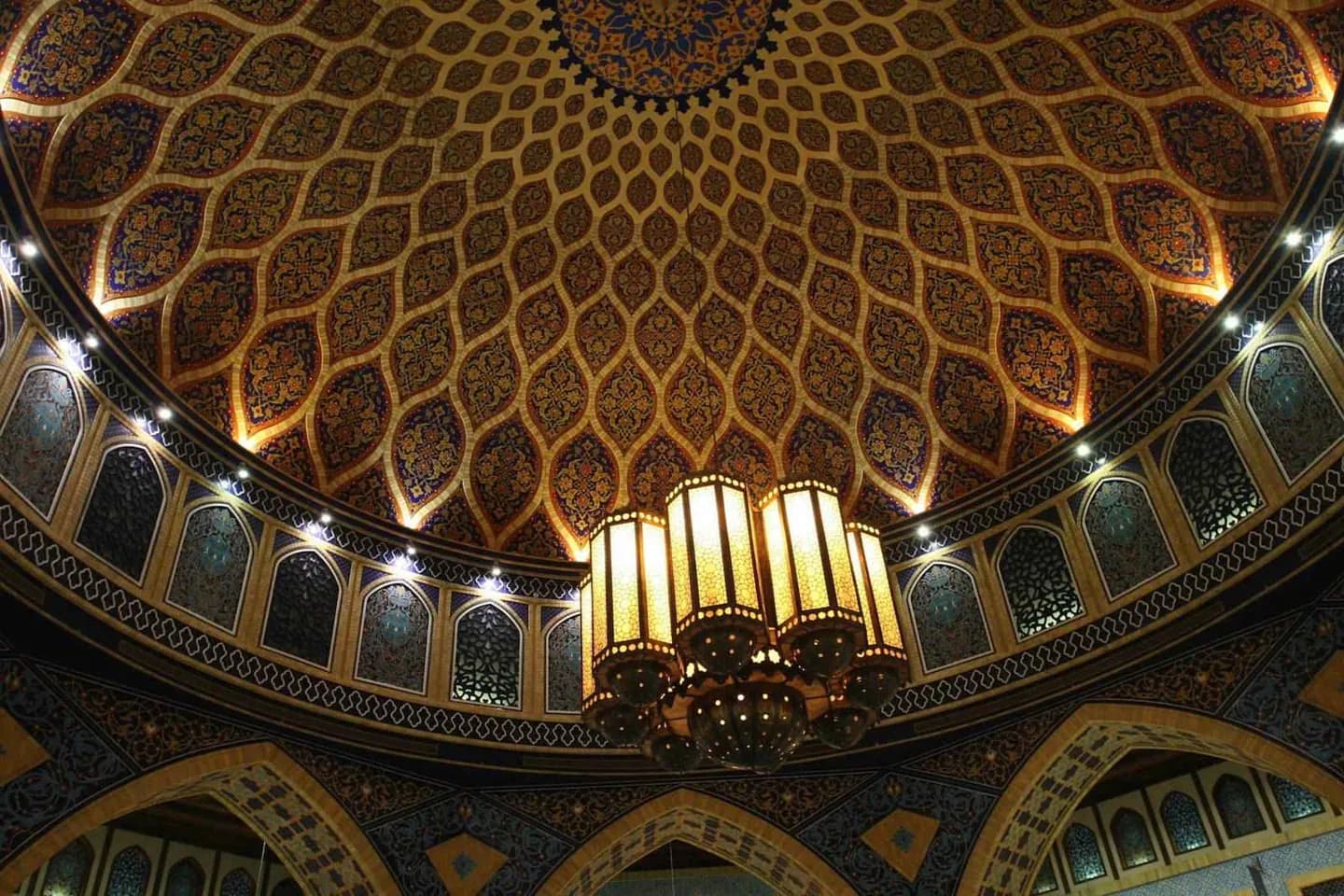
The China, India, Persia, Egypt, Tunisia and Andalusia courts turn circulation into the main visual experience. Displays inspired by historical technology, including a full-size working reproduction of an elephant clock, give the mall a more specific identity than a standard retail complex.
What to look for
- Six courts interpret regions associated with Ibn Battuta's travels.
- A working reproduction of an elephant water clock is a central exhibit.
- Decoration changes markedly as you move from one court to the next.
The full story
The mall takes its name from Ibn Battuta, the 14th-century traveler whose journeys stretched across North Africa, Asia and parts of Europe. Rather than telling that story in one exhibition, the building divides it among six courts: China, India, Persia, Egypt, Tunisia and Andalusia. Each court uses architecture and decoration to create a distinct setting, turning the route between shops into a loose account of travel. Historical inventions add another layer. The most memorable is a full-size working reproduction of an elephant clock, a water-powered mechanism associated with medieval Islamic engineering. The result is not a museum biography of Ibn Battuta, but a retail complex built around an idea of movement between cultures. Notice how the atmosphere changes at each transition and how individual objects carry the theme beyond surface decoration.
Useful to know
- Walk through several courts even if you are shopping in only one section.
- The themed layout is extensive, so leave time to move between the China and Andalusia ends.
Your next visit
Estimated · Declared scenario and planning estimates; no live opening, weather, queue or booking service.
Outdoor visit · 30–45 min
World planning estimate; admission, opening, visit duration and access need checking.