
Why go
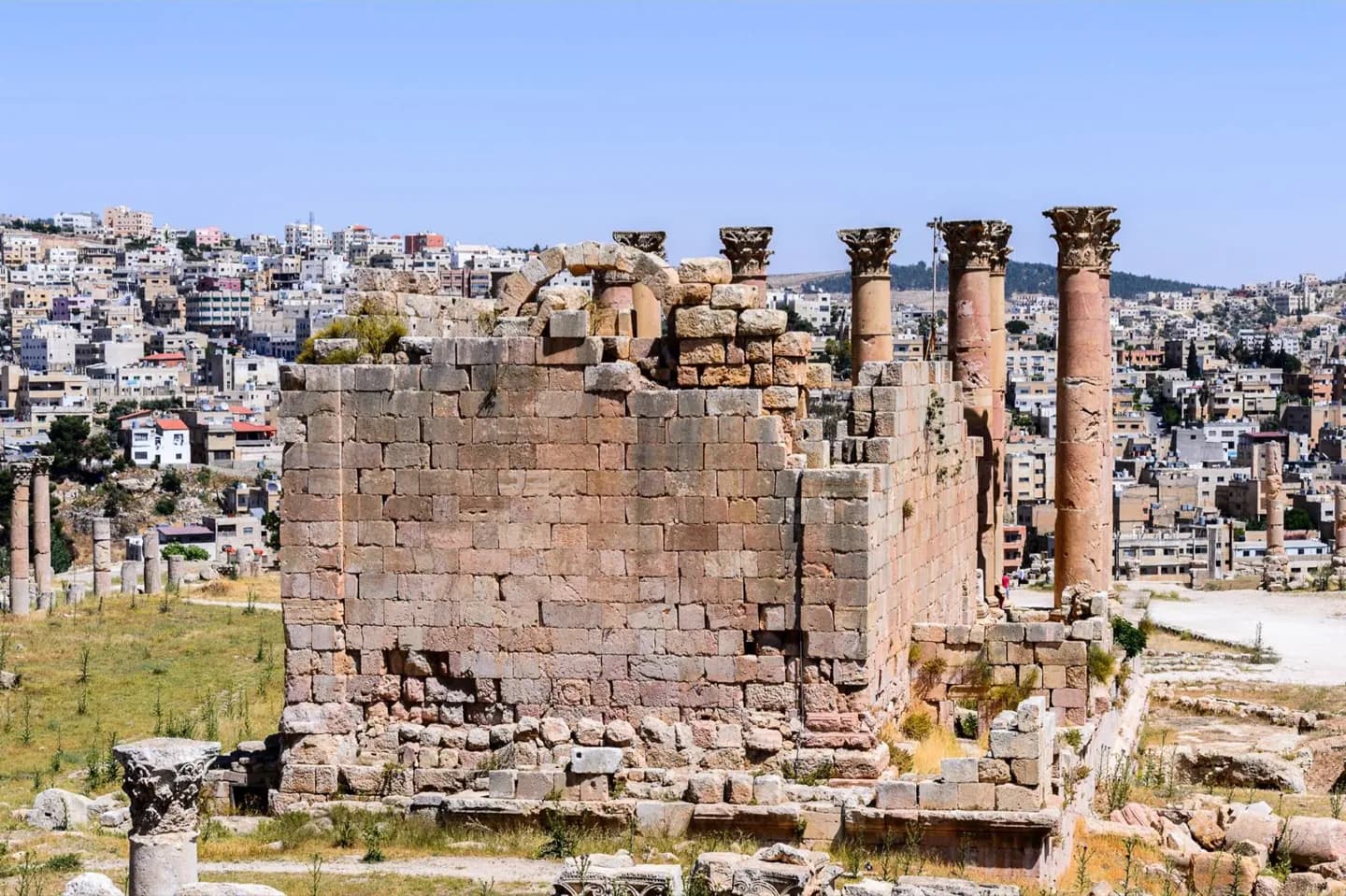
The modest remains make more sense when seen as a sequence rather than a lost single monument. Ancient Amazon foundation tales show how Greeks explained its sacred status, while excavation provides firmer evidence for early occupation and repeated rebuilding. That sequence is the sanctuary’s most revealing feature today.
The full story
The Artemis sanctuary lies near modern Selçuk, apart from the later Roman city. Ancient authors argued that it was sacred before Ionian settlement and sometimes credited Amazons with its foundation. Those stories are part of its cultural history, but they do not establish who first worshipped here. Archaeological finds show activity at the site in the Bronze Age and through later centuries. By the eighth century BC a temple with columns around it had been built on the coast of Asia Minor, an early example of that architectural form in the region. Flooding damaged an early building in the seventh century BC and left debris over its floor. Later builders returned to the same sacred ground for far larger projects. The repeated use of one vulnerable place is the striking point: even as water and sediment complicated construction, the sanctuary remained important enough to rebuild. At the site, the foundations represent layers of religious continuity rather than the footprint of just one celebrated temple.