
Why go
This distinction helps visitors understand what is happening at the shrine. Prayer, the spring and the annual Assumption observance express living belief, while the question of Mary’s actual residence remains unresolved. That distinction changes how the site’s claims should be read.
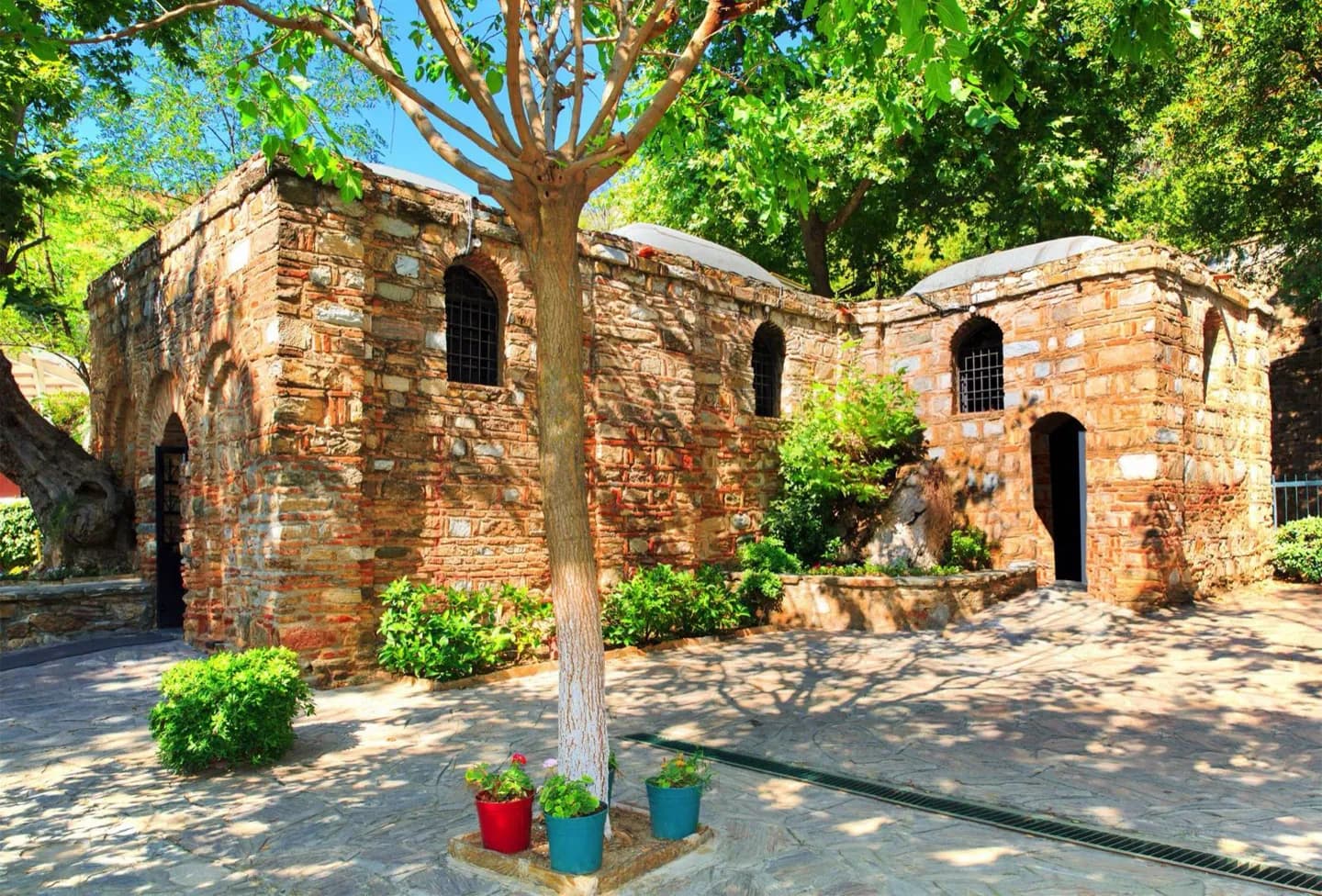
The full story
Catholic support for pilgrimage to Mary’s House does not amount to a declaration that the building was Mary’s home. The Church has taken a favorable stance toward the shrine since the late nineteenth century, while leaving the historical claim open. Pilgrims come to pray in the chapel, leave intentions outside and visit the spring. Some attribute healing powers to its water; that is a belief, not an established physical property. The site is venerated by Muslims as well as Christians, so its significance extends beyond one confessional community. An observance on 15 August marks the Assumption of Mary. This combination of qualified church recognition and active devotion is the key to a respectful visit. The small building can be meaningful as a place of prayer even if its identification with Mary’s final years cannot be verified.