
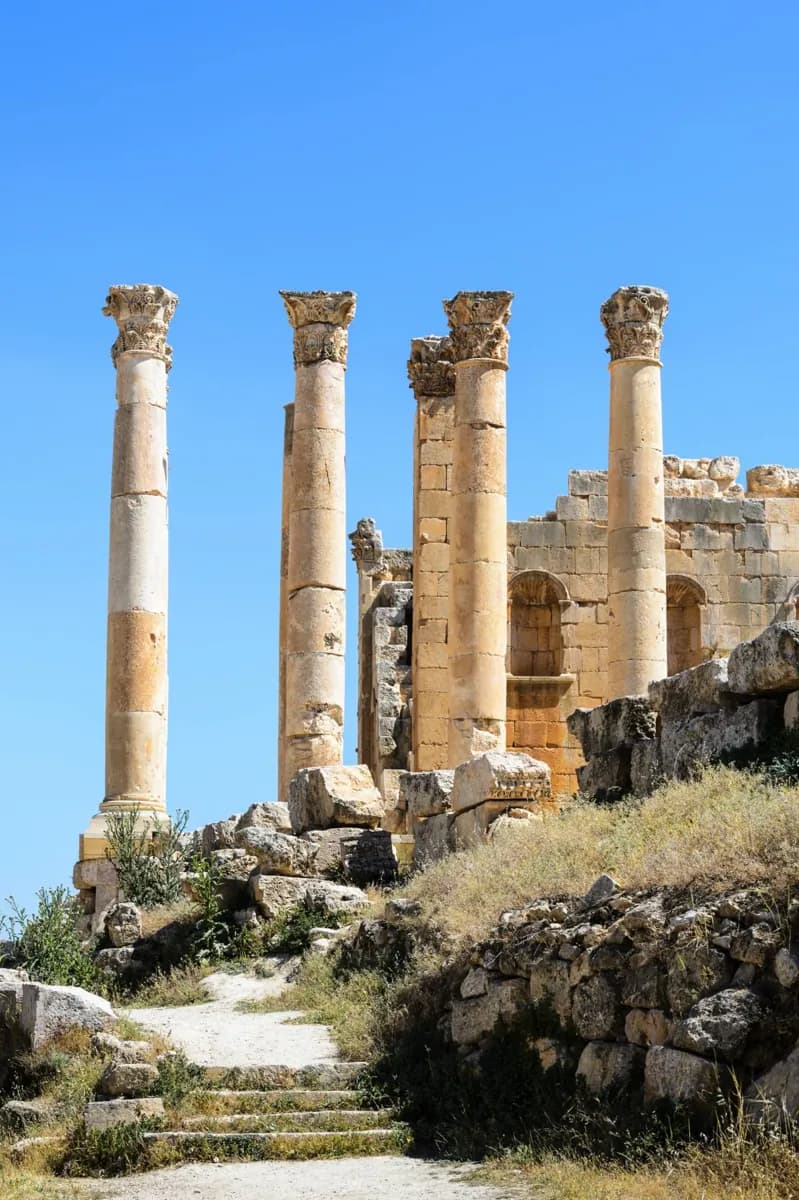
Why go
This context gives the sparse temple remains a larger frame. The sanctuary linked religious festivals, civic prestige and relations with rulers, so its significance cannot be judged by the number of columns still standing near Selçuk. Its festivals also help explain why a sanctuary mattered to ordinary civic life.
The full story
A sanctuary stood here before the later Greek temples, although the character of its earliest cult is uncertain. Greek accounts that credit Amazons with founding the cult belong to later origin stories. As the city grew, the wealth of Artemis’s temple became a visible expression of Ephesian status. Successive rebuildings after destruction renewed that claim. The Ephesians regarded Artemis Ephesia as especially their own goddess, even though Artemis had sanctuaries across the Greek world. Stories about Croesus’s contribution and Alexander’s offer to fund a rebuilding show how politically charged patronage could be: support from a powerful outsider also raised the question of who could claim the goddess’s favor. Under Greek and Roman rule, festivals in her name drew people for processions, contests and performances. At the archaeological site, the remaining column gives little sense of that social life. Read the temple as the focus of a citywide cult, not simply as a vanished building.