
Why go
Fashion in Florence is not just luxury-window browsing. Textile production helped power the city by 1300, and the early-1950s Florentine shows organized by Giovanni Battista Giorgini drew international attention to Italian designers. Via de’ Tornabuoni is the clearest place to see that long commercial thread in today’s cityscape.
The full story
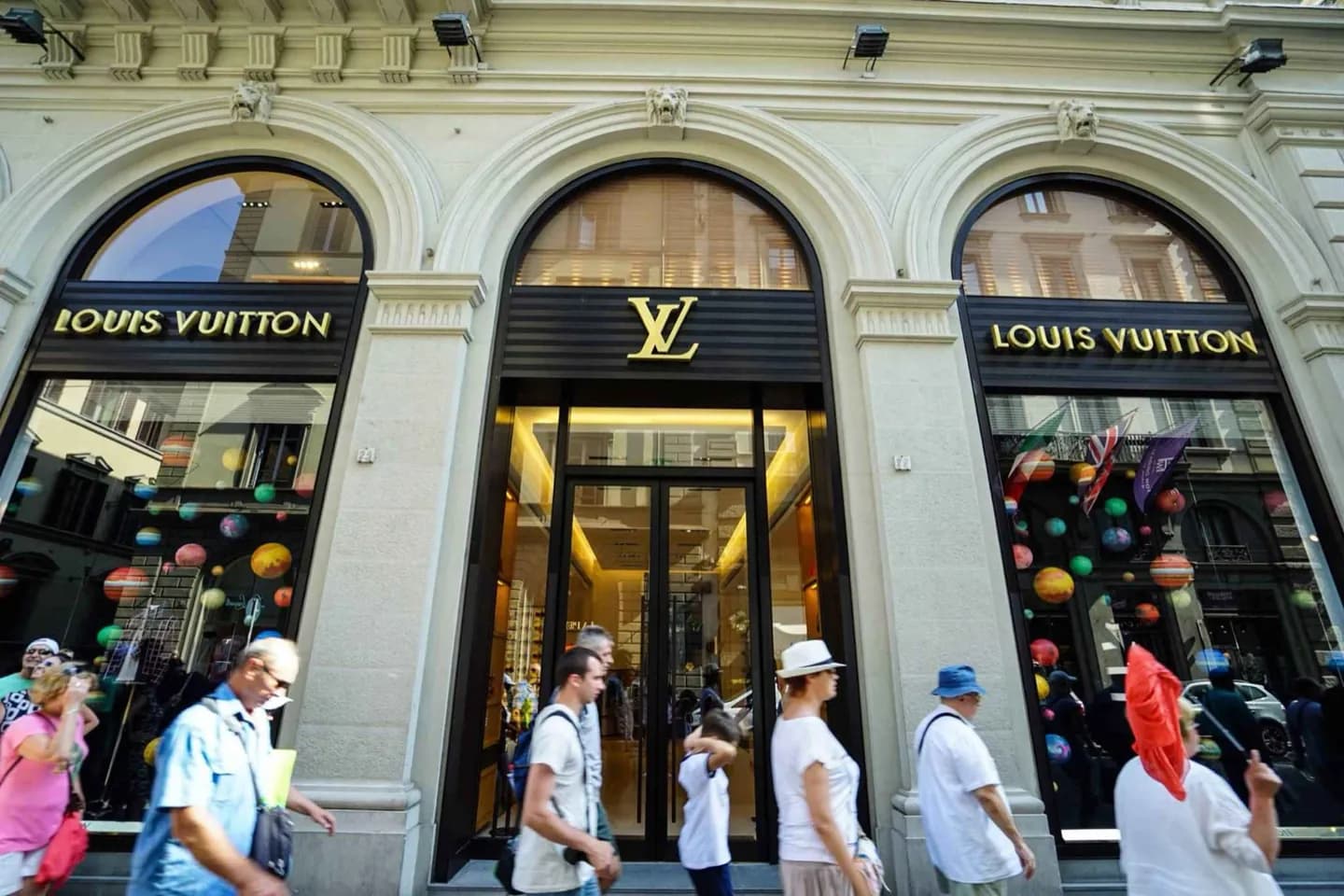
Florence was a major European centre of textile production by 1300, and fine clothing was an important expression of wealth among Renaissance families. That mercantile background underlies the city’s later role in Italian fashion. In the early 1950s, Giovanni Battista Giorgini organized Florentine presentations that brought several Italian designers together before an international audience. The events helped establish wider recognition for Italian fashion after the Second World War. Salvatore Ferragamo has been based in Florence since 1928, and Gucci, Roberto Cavalli and Emilio Pucci are also associated with the city. Today, Via de’ Tornabuoni concentrates many luxury fashion and jewellery boutiques, with Via Roma and Via del Parione nearby. The district’s display windows are therefore part of a longer story of textiles, craft, commerce and design.
Useful to know
- Walk Via de’ Tornabuoni with the city’s textile history in mind; the streetscape is as relevant as individual shops.
- Combine the fashion district with central Florence on foot rather than treating it as a separate excursion.