
Why go
Literary Florence gives its medieval streets and civic history a second layer. Dante’s vernacular poem, Boccaccio’s plague-era storytelling and Machiavelli’s political writing arose from different moments in the city’s past. Knowing those links can make churches, civic spaces and book-related collections more meaningful.
The full story
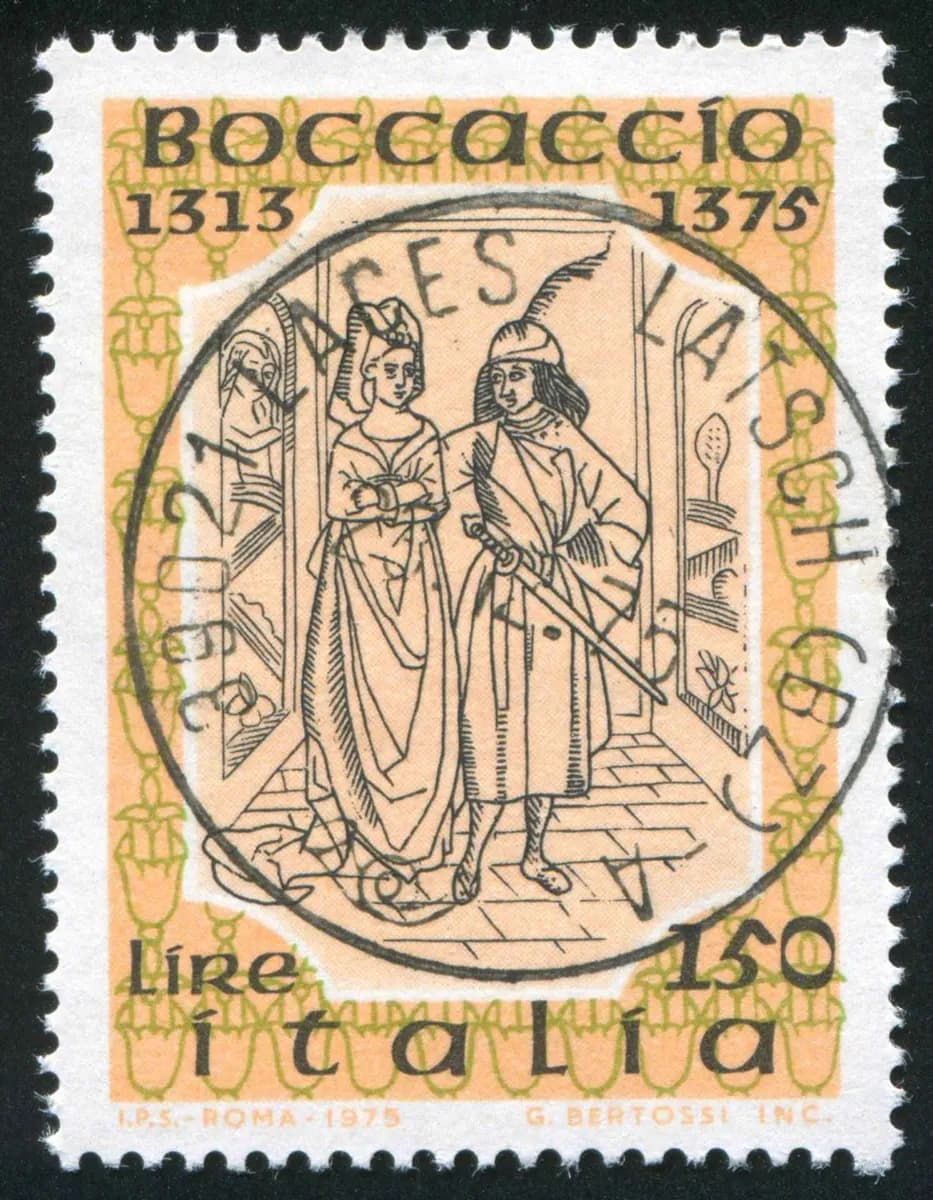
Florentine writers brought the vernacular into works that became central to Italian literature. In the 14th century, Dante Alighieri wrote the Divine Comedy, an allegorical journey through Hell, Purgatory and Heaven. After his death in 1321, Petrarch and Giovanni Boccaccio became leading figures of their generation. Petrarch’s Canzoniere established a poetic model later called Petrarchism. Boccaccio set the Decameron against the Black Death of the 1350s, when a group leaves plague-stricken Florence and tells one hundred stories in the countryside. In the 16th century, Niccolò Machiavelli wrote The Prince, a work on political rule that circulated widely across Europe. Together these writers show how Florence’s vernacular, crises and civic life entered literature with enduring force, and an influential public language.
Useful to know
- Read a short passage from Dante or Boccaccio before exploring the historic centre; the city’s medieval setting becomes easier to place.
- Combine literary context with civic Florence, especially around Palazzo Vecchio and the older neighbourhoods.