
Why go
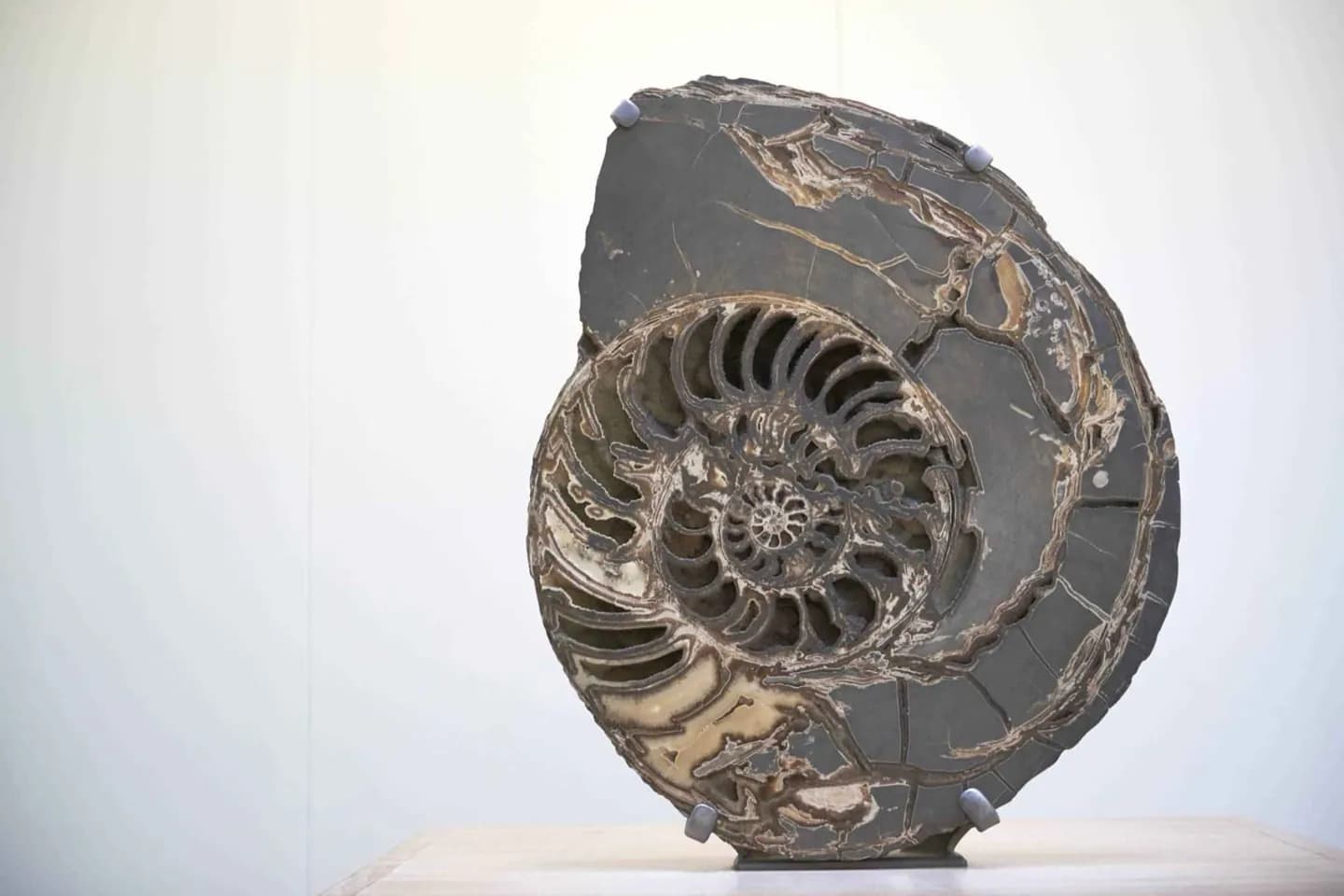
This material offers a different Florence from the usual Renaissance itinerary: a university collection shaped by scientific collecting and Tuscan fieldwork. Grand Duke Pietro Leopoldo founded the Imperial and Royal Museum of Physics and Natural History in 1775. Its historic collections included an early herbarium, fossils from Tuscany and Valdarno, minerals, and anthropological and ethnological objects gathered from around the world.
What to look for
- The botanical collections include the 1563 herbarium associated with Andrea Cesalpino.
- Geology and palaeontology hold Tuscan and Valdarno fossil material, including early elephant skeletons.
- The anthropology and ethnology collections grew from a cabinet of curiosities and later Pacific collections.
Useful to know
- Confirm current collection locations and access before setting out; the historic material is distributed across specialist collections.
- Choose one discipline to focus on rather than expecting a single conventional natural-history display.