
Why go
This history gives a useful way to read a formal French menu. Escoffier assigned parts of a dish to specialist stations, refined the sequence of service and favored sauces that supported ingredients. His influence is visible in both kitchen organization and recognizable desserts.
The full story
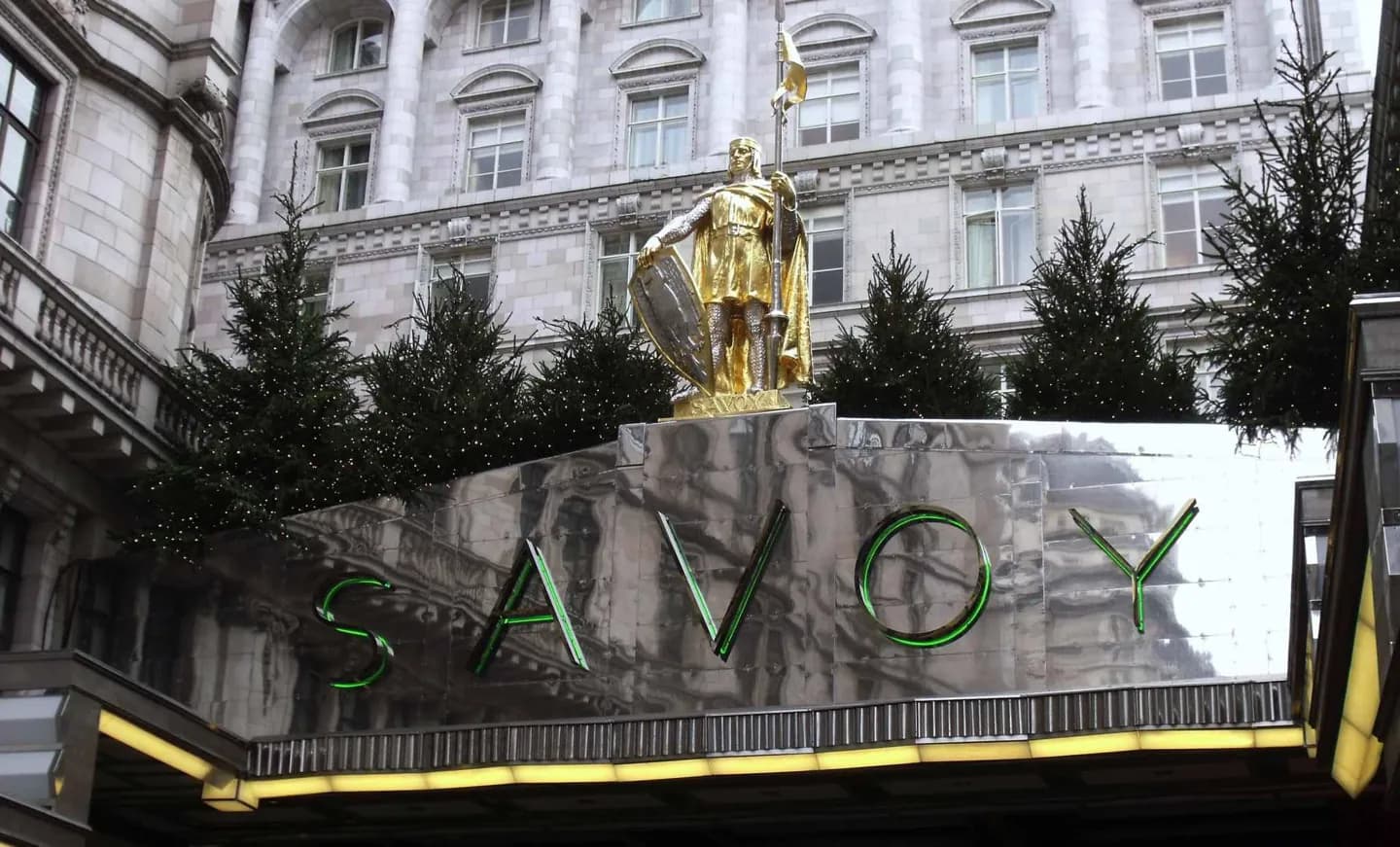
In the late nineteenth and early twentieth centuries, Auguste Escoffier worked in major hotel kitchens, including the Savoy and Carlton. Large dining rooms needed many dishes to be prepared consistently and served together. His answer was the brigade system: stations responsible for cold dishes, vegetables, roasts, sauces and pastry. Instead of one cook completing every part of a plate, specialists prepared components that came together at service. Escoffier also organized menus and set down methods in Le Guide Culinaire, published in 1903. The book drew on earlier cooks, including Carême, and on regional and rural dishes reshaped for haute cuisine. He favored lighter fumets and garnishes intended to bring out the main ingredient rather than cover it. Pêche Melba is among the dishes associated with him. If a menu feels carefully sequenced, with sauces and pastry given distinct attention, it reflects this period’s effort to make elaborate cooking both refined and repeatable.