
Why go
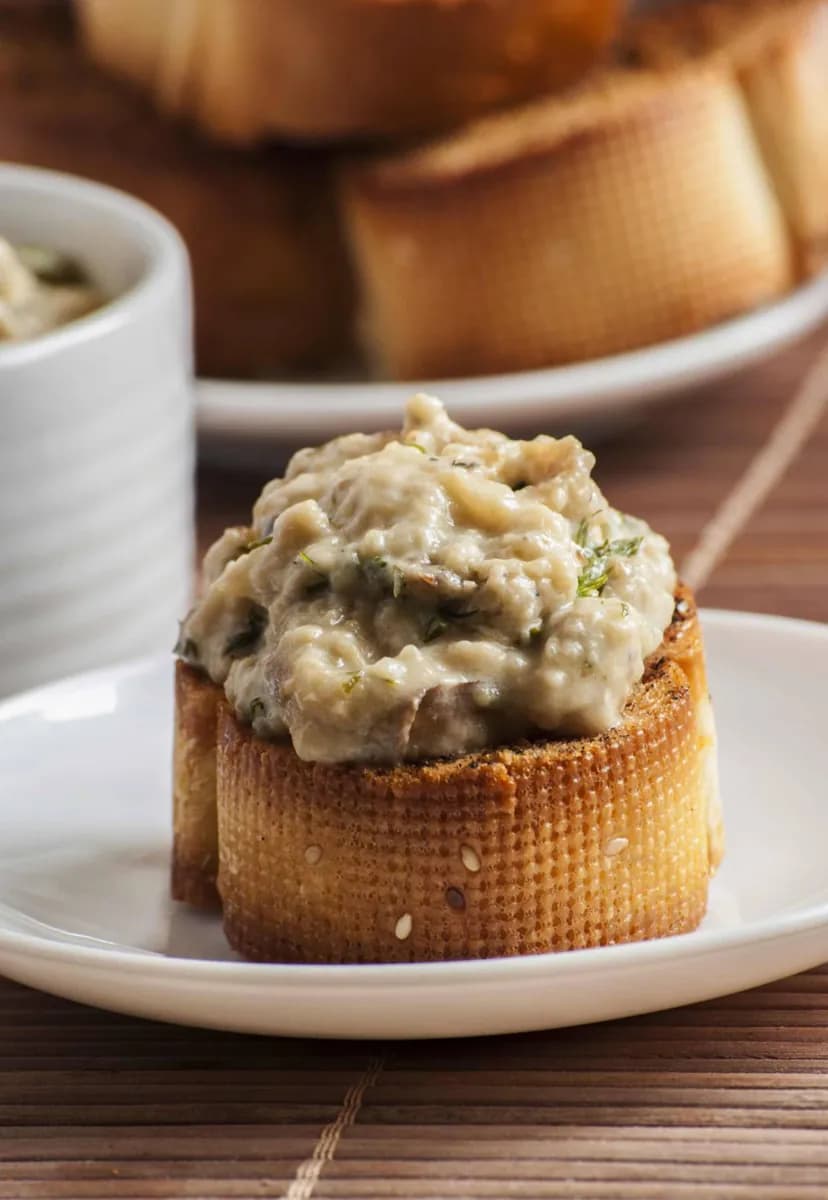
A baguette, a local cheese or a regional pâté can reveal as much about food culture as an elaborate tasting menu. Understanding the distance between haute cuisine and ordinary ingredients helps you eat with more curiosity and fewer assumptions as you move around France.
The full story
The international image of French gastronomy often centres on refined, expensive restaurant cooking. That tradition has roots in the cooking of Paris and Lyon, but it is only one part of the country's food. Bread, pâté, wine and cheese are more familiar points of contact, with varieties that change by region. Ingredients such as crème fraîche, a bouquet garni or Provençal herbs may seem modest beside a formal plated dish, yet they help explain the flavour of many recipes. The contrast matters when planning a meal. A bistro dish, a regional specialty and a haute cuisine menu serve different purposes; none stands for all French cooking. Look for the local ingredient or preparation behind a dish rather than judging it by how closely it matches an image of fine dining. The result is a more useful way to read menus in Lyon, Paris and the regions beyond them.