
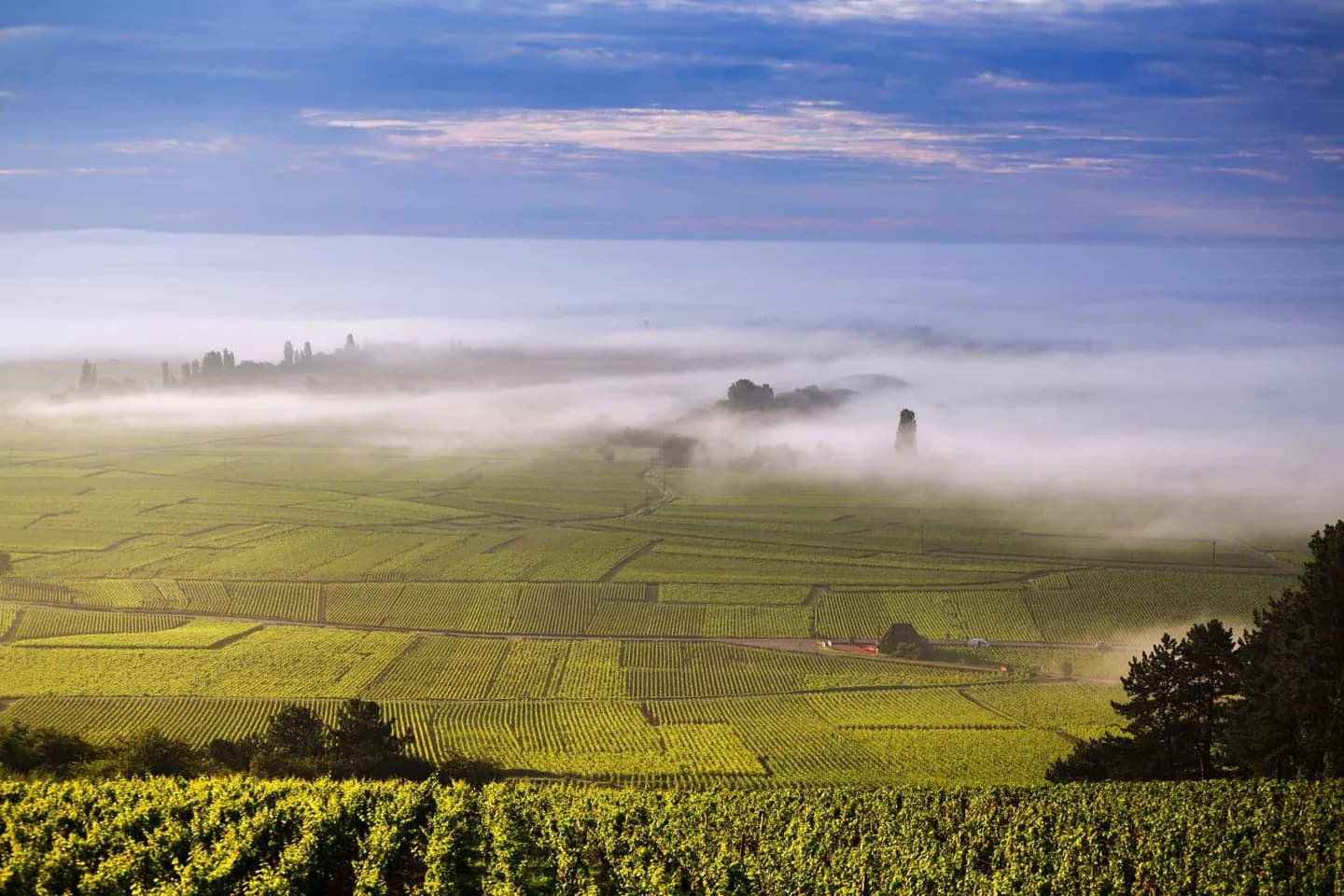
Why go
Food can give a journey through France a clear geographic thread. Champagne and Bordeaux are named wine regions, while wheat, dairy, poultry and livestock point to the broader farming behind ordinary meals. Follow those connections in markets and on menus, then compare what appears locally with the French products you already know from abroad.
The full story
France’s food landscape extends far beyond its best-known bottles. Wheat, dairy, poultry, beef and pork are part of its farming tradition, alongside foods made from those ingredients. That makes a market or a simple meal a useful place to notice regional differences: look at the names attached to cheese, meat, bread and wine, and ask where a product comes from if the label is unclear. A regional name can tell you more than a broad description such as “French cheese.” Champagne and Bordeaux are helpful starting points because their names link wine to places, not just to a style or a producer. They also show why a wine familiar on export shelves is only one part of what people may drink in France. Rosé belongs in the picture too, rather than being treated as an afterthought to famous red and sparkling wines. If food is a main reason for your trip, spend time in the region named on a bottle or menu and compare it with another part of the country. The contrast is more revealing than trying to find one dish that stands for all of France.