
Why go
This history gives postwar civic sites and European institutions a clearer setting. France helped launch European coal and steel cooperation and later the common market while its colonial empire broke apart, showing two major changes happening in the same decades.
The full story
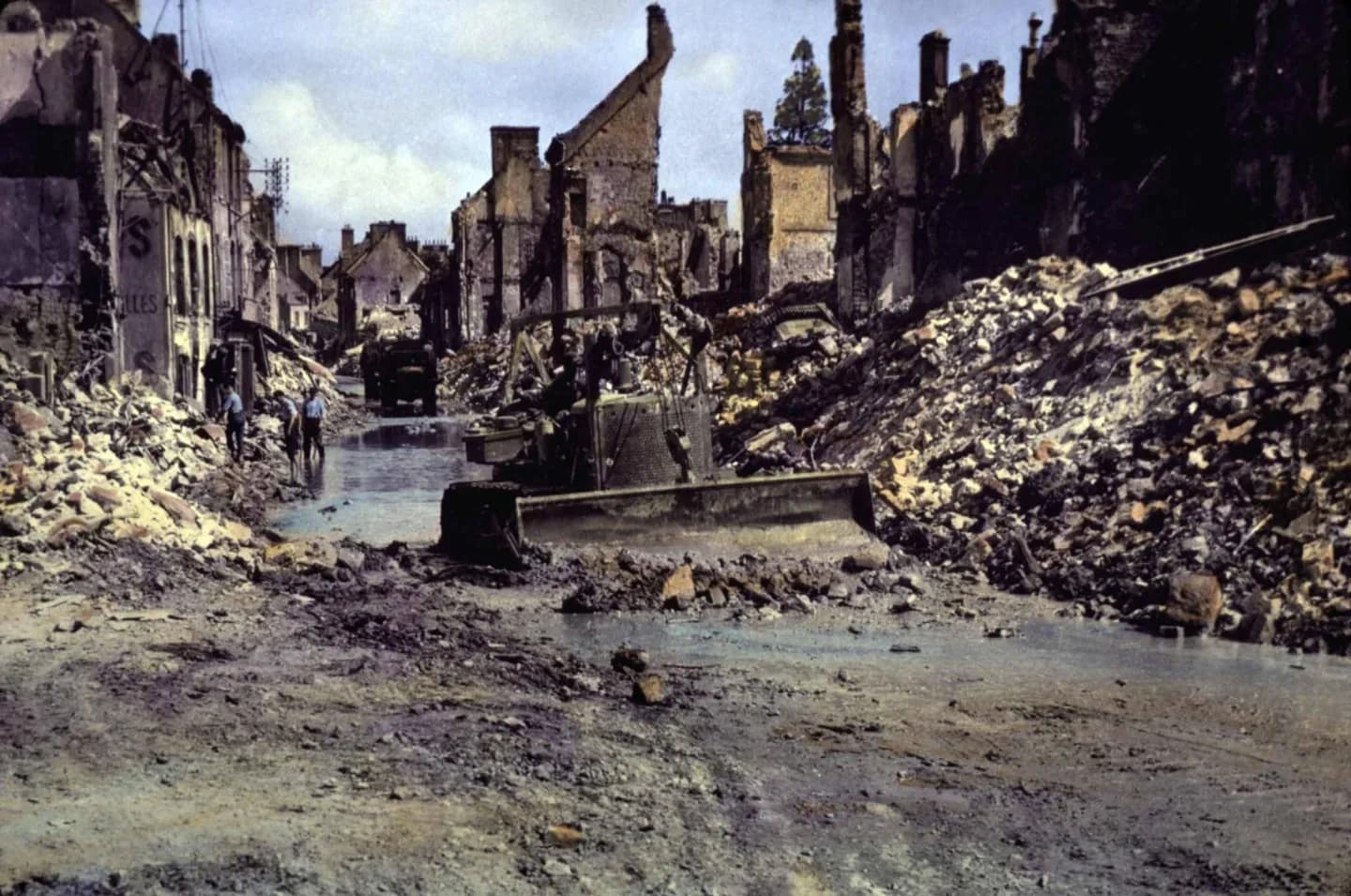
After the Second World War, France rebuilt its economy and political institutions under the Fourth Republic. It became a founding member of the United Nations and took part in new European and Atlantic structures. The 1951 European Coal and Steel Community joined France with other states in managing industries once central to war; the 1957 Treaties of Rome helped establish the European Economic Community. At the same time, the colonial order was unraveling through conflict. France lost its colonies in Indochina after war, and the Algerian War ended with Algerian independence in 1962. That struggle also formed the backdrop to the creation of the Fifth Republic in 1958. These developments should not be read as one seamless march toward unity. European integration sought cooperation across former battle lines, while decolonization exposed violence and contested ideas about who belonged to the French state. When a postwar museum or civic building turns to “modern France,” keep both threads in view. They explain why the period cannot be told only through recovery or only through European institutions.