
Why go
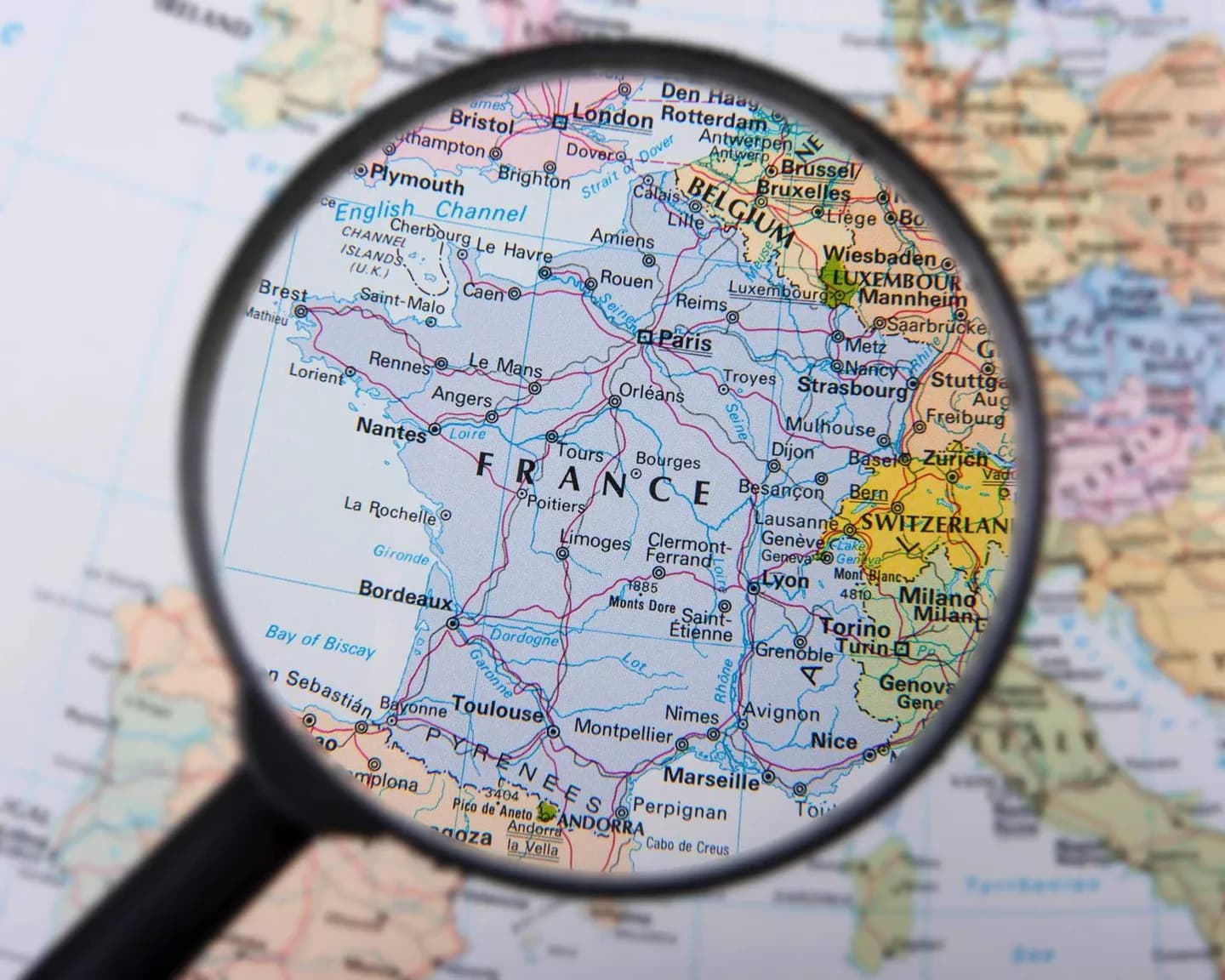
Start with the map as much as the monuments: Atlantic and Mediterranean coasts, the Alps and Pyrenees, and overseas regions make “France” a broad travel choice. The historical layers also explain why Lyon, Provence and Paris offer different ways into the country.
The full story
Metropolitan France reaches from the Atlantic to the Mediterranean and from the North Sea to the Pyrenees and Alps. Paris is the capital, but the country’s history is spread through places far beyond it. Greek settlement on the Mediterranean coast preceded Roman control of Gaul; Lugdunum, now Lyon, became a major Roman centre. Frankish rule followed Rome, and the medieval kingdom gradually drew power toward the crown. The French Revolution later challenged inherited privilege and reshaped the state. France also built a colonial empire, whose expansion and later dissolution remain part of its history. These layers are useful when choosing a trip: Provence brings ancient Mediterranean and Roman history into view, while the Loire and Paris help trace monarchy and revolution. Overseas France adds landscapes and climates that cannot be understood through a mainland itinerary alone. Pick one of these threads before trying to cover the country; the distances and historical contrasts make a single national checklist a poor substitute for a focused journey.