
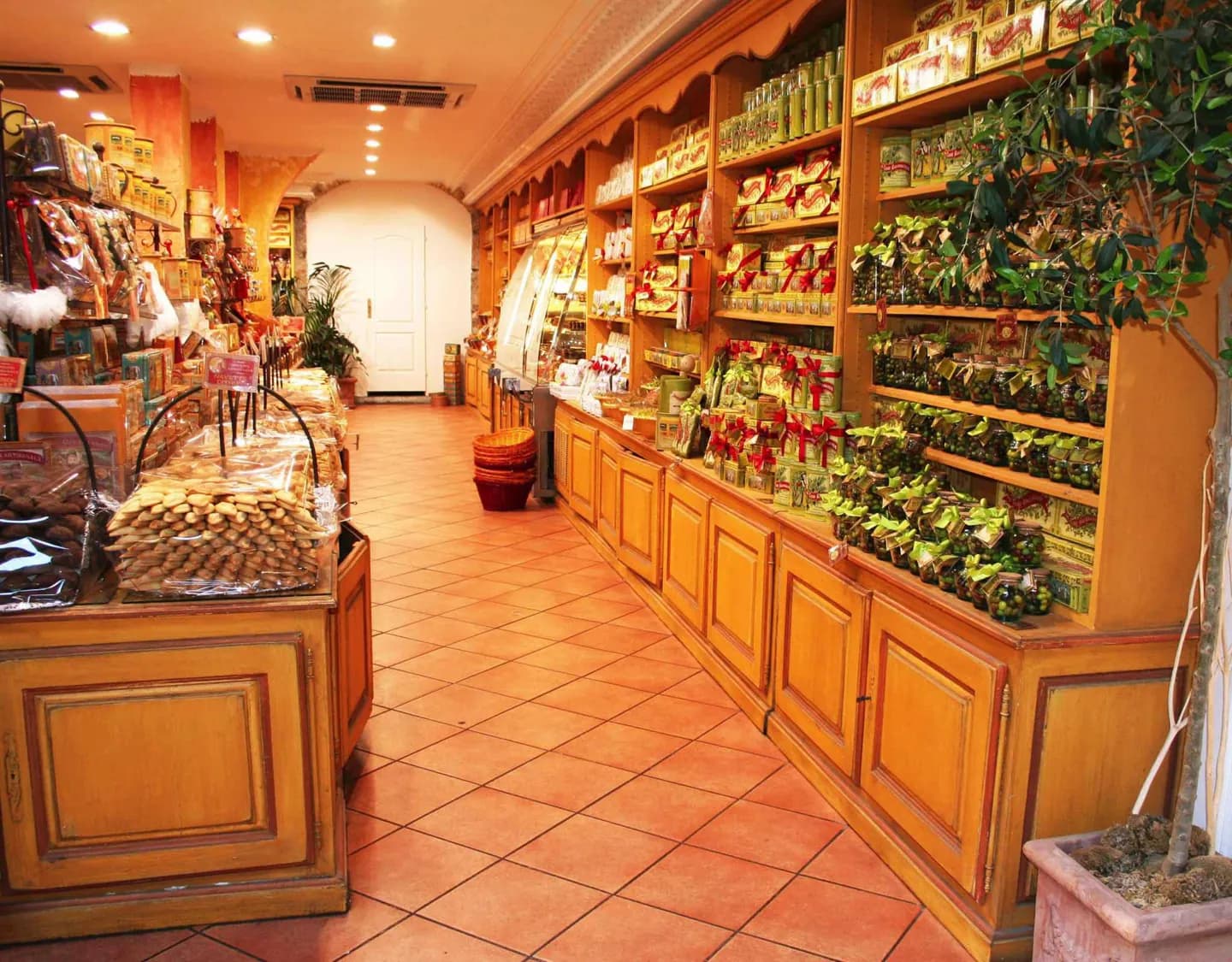
Why go
Taillevent's medieval Le Viandier, La Varenne's seventeenth-century cooking and Escoffier's later codification mark shifts in technique and organisation. Yet regional food remained distinct. Look for that tension between standardised restaurant cooking and local products when deciding what to eat across France.
The full story
Guillaume Tirel, known as Taillevent, wrote Le Viandier, an early collection of recipes from medieval France. Later cooks changed both methods and tastes. François Pierre La Varenne belongs to the seventeenth-century move toward a recognisably French style, while Auguste Escoffier helped organise modern haute cuisine in the twentieth century. His system was influential, but it did not capture every regional or home-cooking tradition. Cheese and wine show the contrast well: they are national emblems, yet their varieties and roles vary from one region to another. The Michelin Guide and travel for food helped bring more attention to countryside cooking and dishes outside elite kitchens. French gastronomy's inscription on UNESCO's intangible cultural heritage list in 2010 reflects the importance of food as a cultural practice. For a traveler, the useful question is not which single dish defines France, but what a particular region puts on the table and why.