
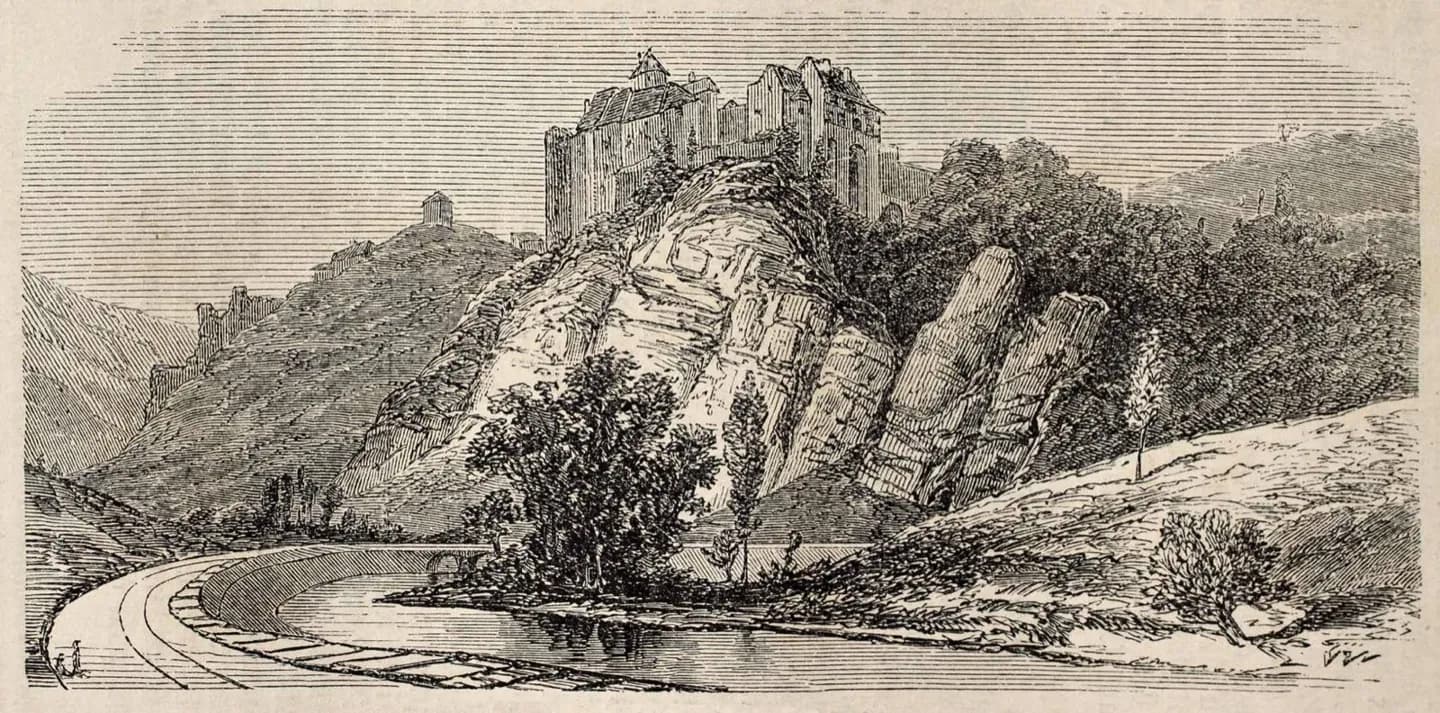
Why go
This period helps explain why a medieval site may speak of a local lord, the French crown or English rule in the same region. Hugh Capet, the south’s crusade against the Cathars and Joan of Arc mark different stages of that struggle.
The full story
Hugh Capet took the crown in 987, beginning a line of rulers whose descendants gradually extended royal authority. That growth was uneven. Local lords retained substantial power, and dynastic ties could cross the Channel: the Duke of Normandy later became king of England while still holding lands connected to the French crown. In the south, the Albigensian Crusade against the Cathars was also a violent turning point in the crown’s reach toward Toulouse. The Hundred Years’ War began in the fourteenth century amid competing claims to the French throne and English landholdings in France. The war’s shifting frontiers matter more to a traveler than a fixed map of “French” and “English” territory. Joan of Arc became part of the French counteroffensive in its later stages. Medieval castles, town walls and royal sites therefore record changing control as much as a single national story. Look for who commissioned a building, which power claimed the surrounding land, and whether a monument belongs to a period of expansion, resistance or recovery.