
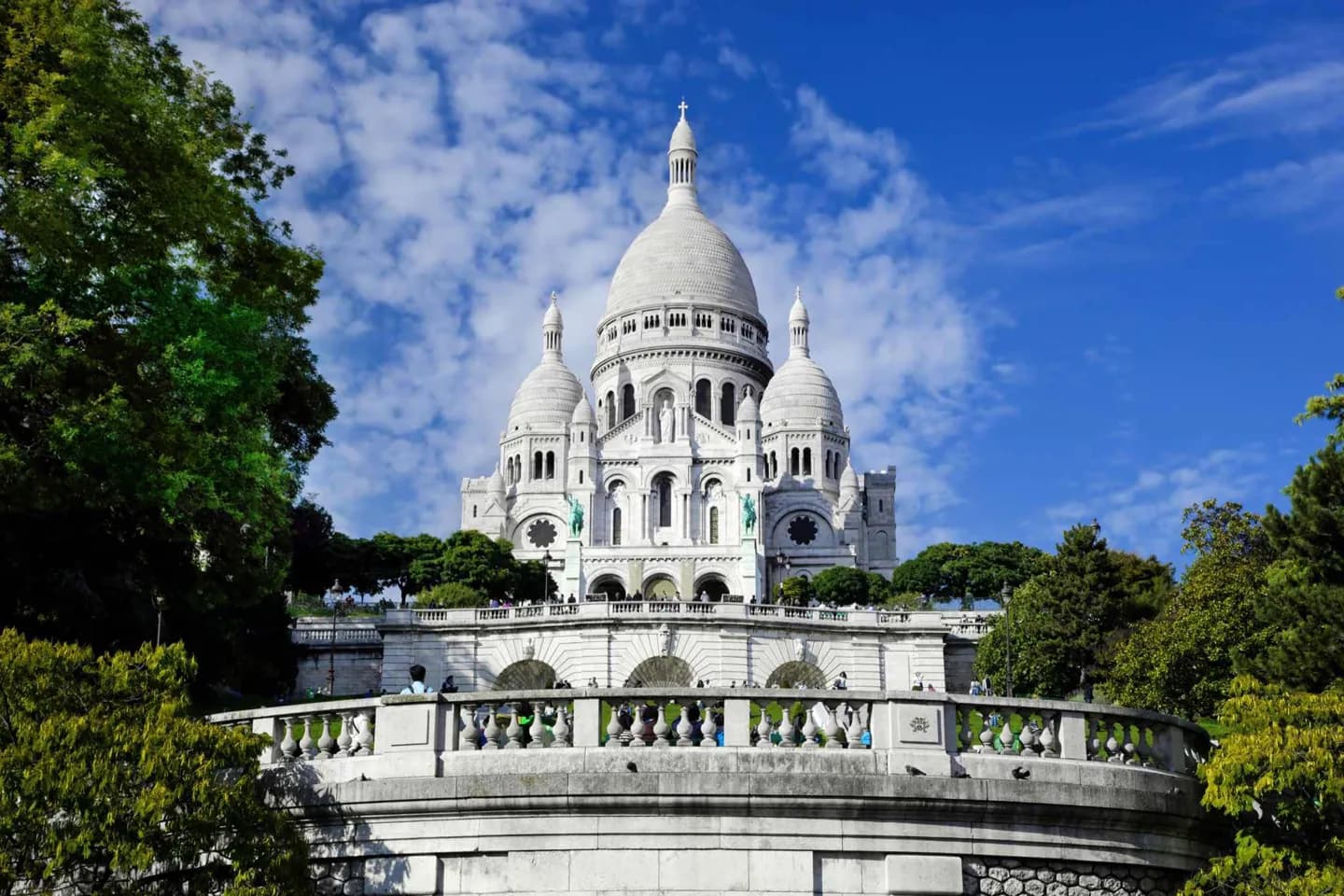
Why go
A church visit and a conversation about secular public institutions can seem to tell different stories about France. They belong to different layers of its history. Understanding the Catholic legacy and the principle of laïcité makes religious buildings easier to read without assuming that historic church architecture describes every resident's beliefs.
The full story
Catholicism shaped much of France's built heritage over many centuries. Churches, cathedrals and other religious buildings remain visible reminders of that history, even though present-day religious practice varies. When visiting one, it helps to read the building as a historical and cultural place as well as a possible place of worship. The relationship between religious institutions and the state changed sharply during the French Revolution and through later debates. The 1905 separation of churches and state established the modern framework usually called laïcité. In broad terms, it places public institutions outside religious authority while protecting freedom of belief. The arrangement has historical exceptions, including local law in Alsace-Moselle. These layers are most useful when held together. A cathedral can reveal centuries of Catholic patronage; the secular framework explains why that heritage does not define the state today. Neither a building nor a national affiliation figure can tell you what an individual believes.