
Why go
Parisian monuments and national symbols are easier to read when you connect the Estates-General, the Declaration of the Rights of Man and the Citizen, and the fall of the monarchy. Napoleon’s rise belongs to the aftermath, not the start, of that story.
The full story
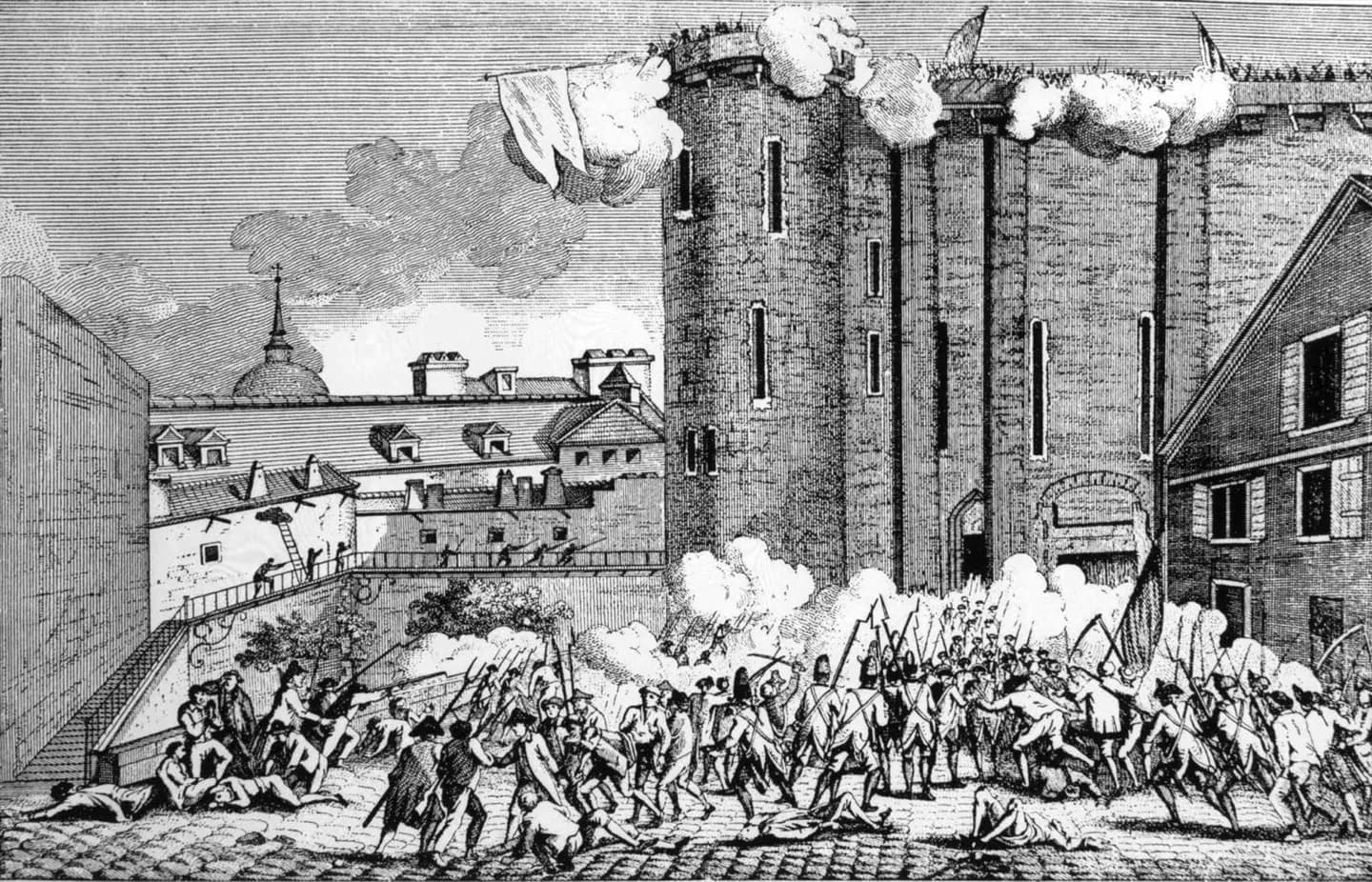
Financial crisis pushed Louis XVI to call the Estates-General in 1789. Representatives of the Third Estate formed a National Assembly, and the storming of the Bastille soon became a lasting symbol of the Revolution. The Declaration of the Rights of Man and the Citizen challenged inherited privilege and stated new principles of liberty and equality, though those promises did not translate into equal rights for everyone. A constitutional monarchy gave way to a republic; Louis XVI was executed in 1793. War, internal revolt and the Reign of Terror followed. Napoleon later rose from this unsettled political world, and his defeat in 1815 brought monarchy back under new limits. France did not move in one clean step from kings to a stable republic. That is the key to reading revolutionary squares, civic monuments and later imperial references: different regimes reused or contested the same ideas of nation, rights and authority. In Paris especially, keep the order of events in mind before treating every revolutionary symbol as part of a single moment.