
Why go
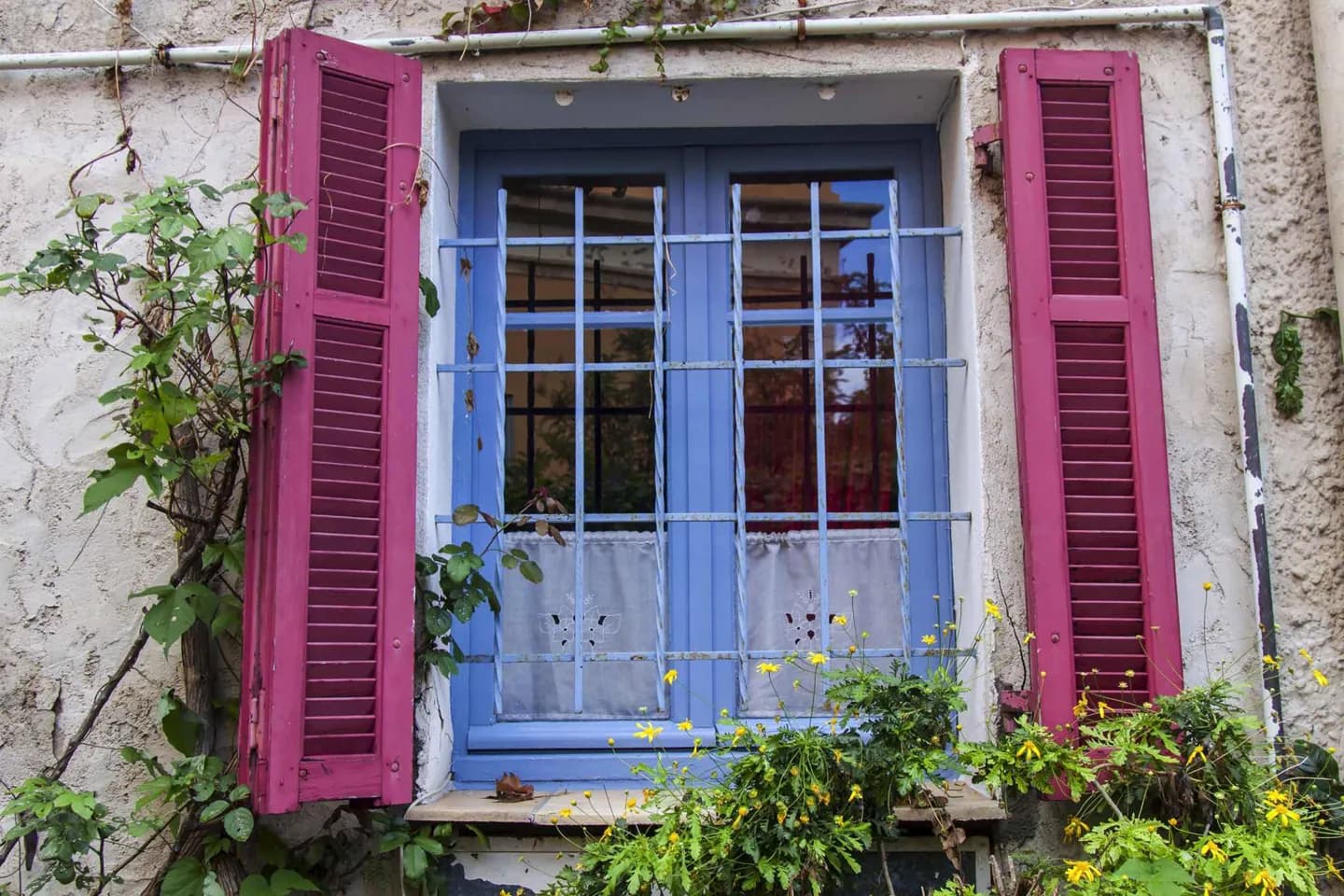
Go for the contrast between a working Mediterranean town and its fortified edge. The small details on old doors and façades give the lanes texture, while the ramparts explain why this sheltered port mattered long before Antibes became a resort. Its Greek and Roman past is a useful lens for the walk, even without entering a museum.
What to look for
- Look for carved doors and varied façades in the old town lanes.
- Follow the ramparts for views that reconnect the old streets with the sea.
- Notice how the protected harbor sits beside the fortified town.
The full story
Antibes began as the Greek settlement of Antipolis and later became part of Roman Gaul. Its sheltered port helped make it a place of trade, while walls and fortifications responded to centuries of conflict. Those layers are easier to understand on foot than from a single viewpoint: the tight lanes lead toward the defensive edge, and the sea keeps returning to view. The town's later resort history brought wealthy European visitors in the nineteenth century. In 1946 Pablo Picasso worked in the Château Grimaldi, leaving works to the municipality; the building subsequently became the Picasso Museum. That episode adds a more recent artistic layer to a town whose street plan and waterfront tell a much longer story. The contrast between ancient harbor, defended streets and later artistic life is what makes Antibes worth more than a waterfront glance.
Useful to know
- Walk the old lanes first, then follow the ramparts to put the harbor and coastline in context.
- Pair the historic center with Juan-les-Pins only if you also want a beach-focused stop.
Your next visit
Estimated · Declared scenario and planning estimates; no live opening, weather, queue or booking service.
Outdoor visit · 30–45 min
World planning estimate; admission, opening, visit duration and access need checking.