
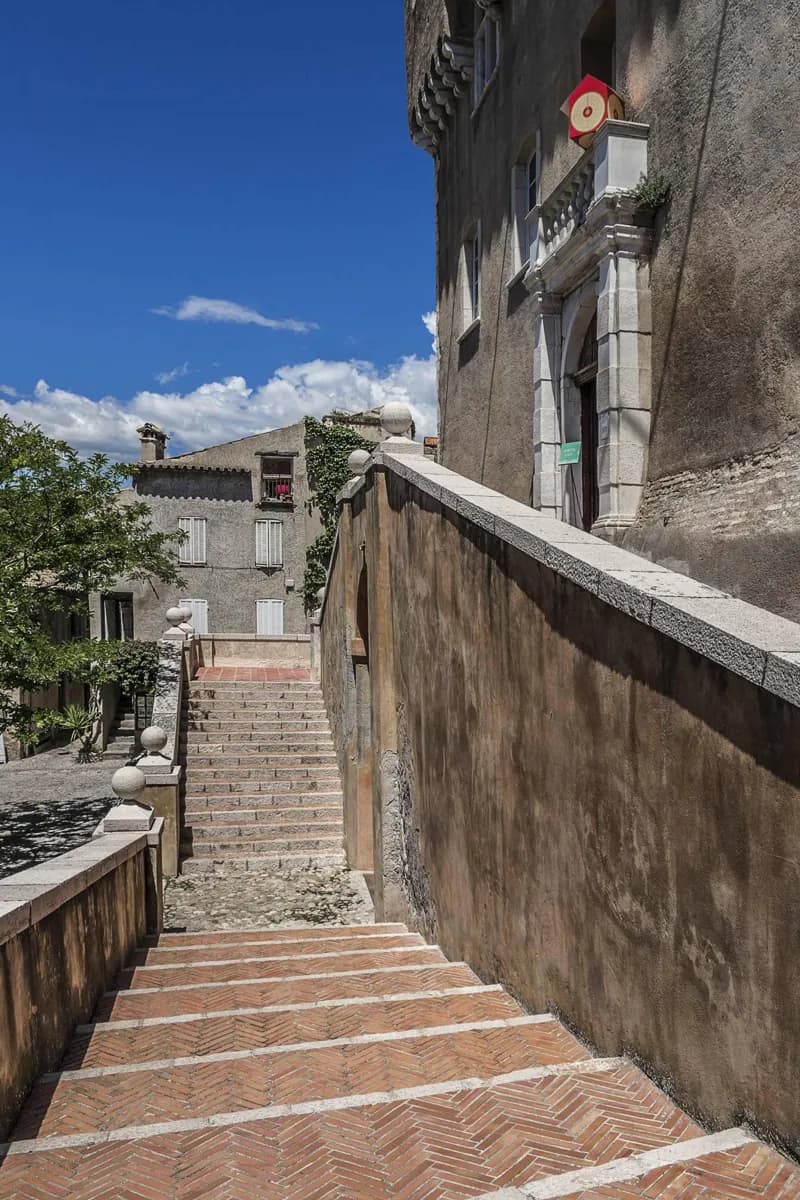
Why go
This history gives a reason to look beyond the beach. Renoir’s estate anchors the story in a visitable place, while Soutine’s Cagnes landscapes and the later writers associated with town show how the area entered different kinds of art. It turns a Renoir visit into a wider story of artistic migration.
The full story
Pierre-Auguste Renoir moved to Cagnes-sur-Mer in 1907 and stayed at Les Collettes until his death in 1919. The olive-grove estate makes his connection to the town tangible. Chaim Soutine painted Cagnes landscapes from the 1920s, interpreting the southern setting in a very different visual language. American literary and artistic figures also lived here during that decade, among them Kay Boyle, George Antheil, and Harry and Caresse Crosby. In the 1950s, novelist Georges Simenon lived in Haut-de-Cagnes. These associations span more than one neighbourhood and more than one artistic generation. A visit to Les Collettes explains Renoir’s chapter directly; walking the older streets adds context for the writers and painters who came after him. The estate and hill streets offer two different ways to place those histories on the ground.