
Why go
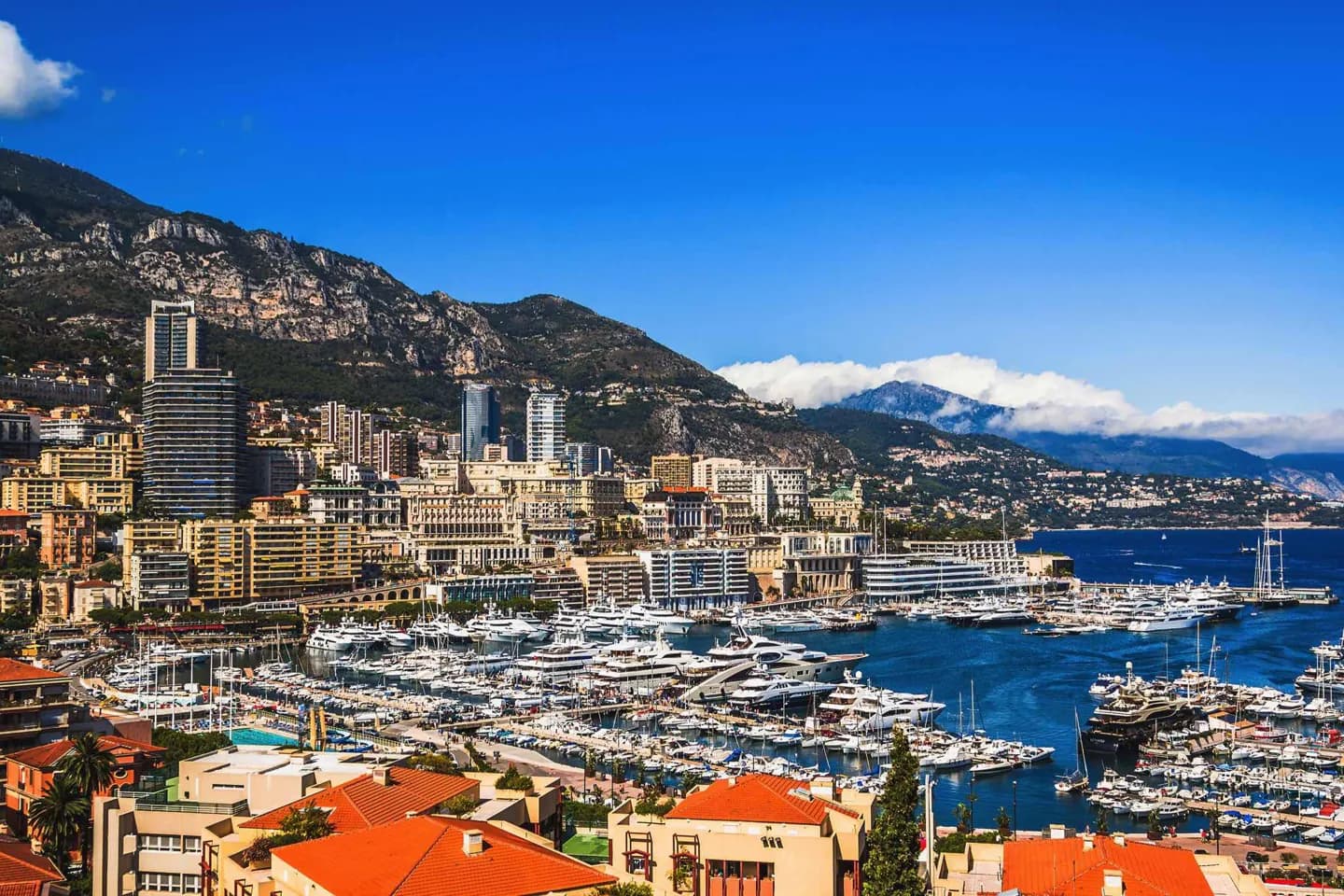
Nice offers the region’s largest urban anchor, Monaco a separate principality, and Cannes a town shaped by winter visitors before its later international profile. The railway helped turn scattered resorts into an accessible coast in the nineteenth century. This overview is useful for deciding which stretch belongs in one trip and which historical layer interests you.
The full story
The French Riviera is the English name commonly used for the Mediterranean coast of southeastern France, usually with Monaco included. There is no official western boundary, so the exact set of towns changes between maps and guides. The coast became an early modern resort area when affluent British visitors came for winter stays in the late eighteenth century. Rail access in the nineteenth century brought more visitors, including European royalty, and supported grand hotels and villas. In the first half of the twentieth century, artists, writers and wealthy Americans added another chapter. The result is a region with connected resorts but no single origin story or uniform character. Nice, Cannes and Monaco are useful anchors, yet each rewards attention to its own history. For a practical trip, pick a coastal cluster first; the word Riviera alone does not tell you whether a route runs only around Nice or reaches deep into the Var.