
Why go
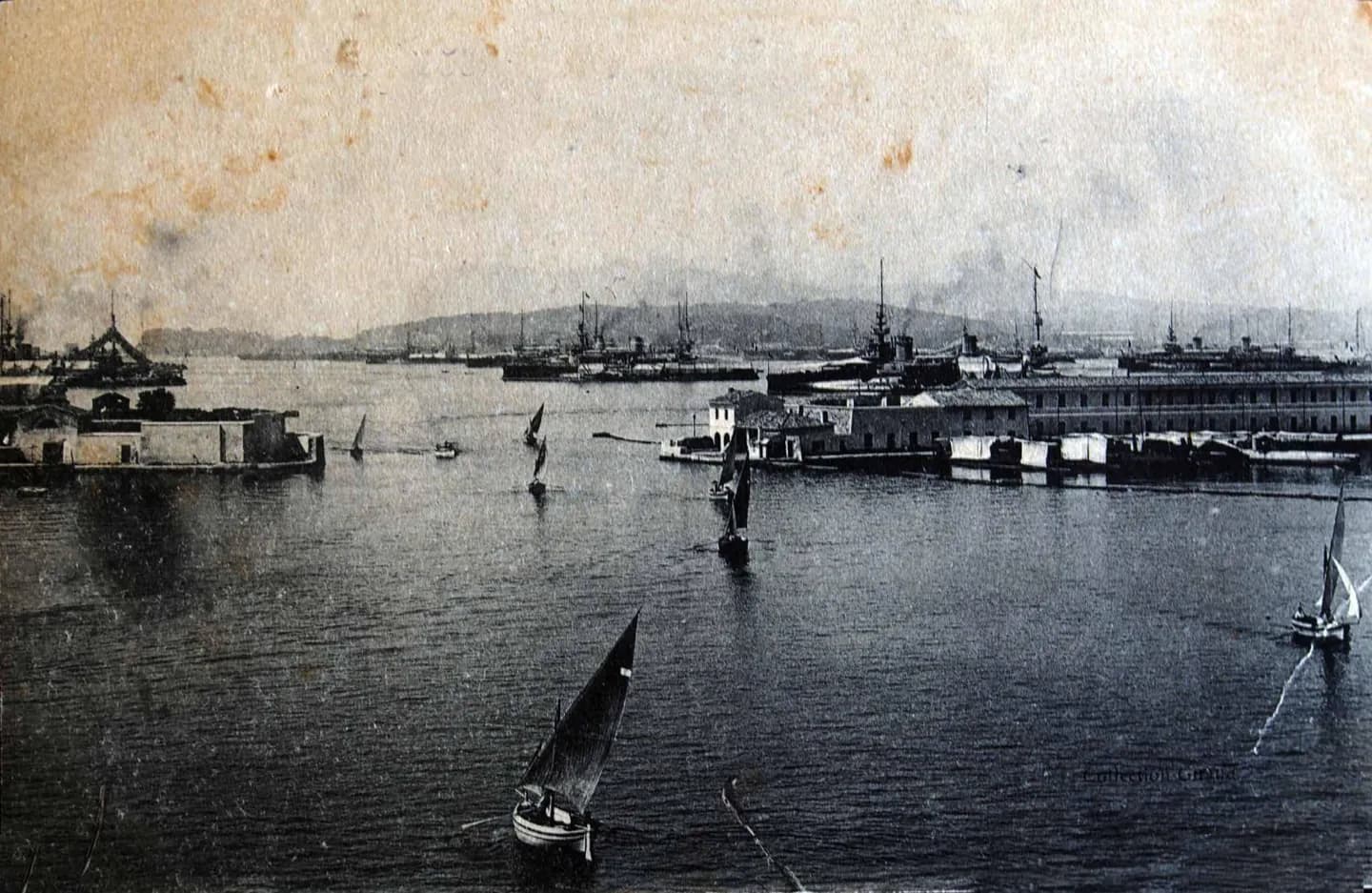
The harbor is easier to understand as infrastructure built over centuries, not merely a view. In the center, the later boulevards and opera house show the city’s next transformation after its walls and naval works had shaped it. This gives an ordinary city walk a clear historical sequence.
The full story
The Romans founded Telo Martius at the site of Toulon. Its industries included purple dye made with local sea snails, and its harbor sheltered trading vessels. A Christian town developed around a cathedral, but the coast also faced repeated attacks. After Provence joined France, Charles VIII began constructing a military port in 1494 to support French power in the Mediterranean. In the 17th century, Louis XIV’s minister Colbert ordered a new arsenal and fortifications designed under Vauban. Toulon resisted a siege in 1707, then suffered a plague in 1720 that killed a large share of its population. The 19th century brought a different kind of intervention. Baron Haussmann, serving as prefect of the Var, began removing old defenses and laying out boulevards and squares; the opera house opened in 1862. The sequence from Roman harbor to royal arsenal to rebuilt center explains the city’s unusually strong naval and urban character.