
Why go
Monte Carlo’s casino district and the former grand-hotel areas around Nice are easier to read as products of transport and investment, not just luxury taste. François Blanc helped turn Monaco’s casino into a resort complex, and the railway brought visitors from farther across Europe. Queen Victoria’s stays at Cimiez added to that winter-season history.
The full story
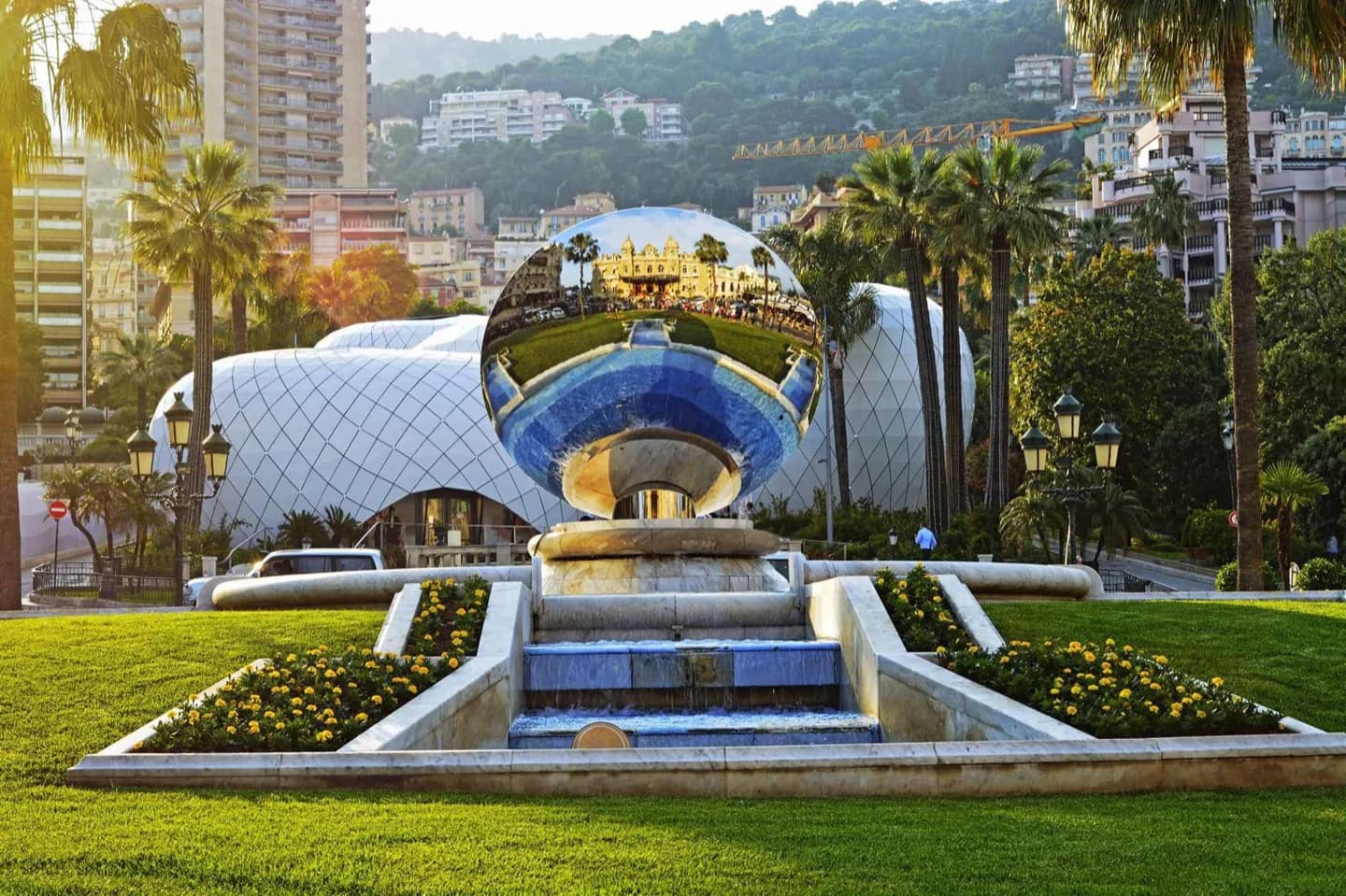
The railway reached Nice in the 1860s and Monte Carlo soon afterward, making the coast much easier to reach from elsewhere in Europe. At roughly the same time, Monaco’s Prince Charles III and entrepreneur François Blanc developed the casino resort at Monte Carlo. Blanc arranged connections from Nice and added hotels and gardens, so gambling became part of a broader visitor destination. The name Monte Carlo honoured Charles III. The new transport links also supported a royal winter circuit. Queen Victoria stayed in several Riviera towns and spent successive seasons in Cimiez, above Nice, in the 1890s. Other European rulers visited as well. This period left a different kind of landscape from the older ports: railway-connected resorts, prominent hotels, landscaped grounds and residential districts for long stays. When moving between Nice and Monaco, the short coastal distance can hide how much coordinated transport and building was needed to create the nineteenth-century Riviera.