
Why go
Roquebrune's hill village and château show the defensive past of this stretch of coast, while Cap Martin brings a seaside path and twentieth-century design into view. The contrast is unusually clear within one commune. Choose the village for old streets, the cap for the shoreline, or combine them with enough time for the change in terrain.
What to look for
- Explore the medieval village and its château setting.
- Follow the Cap Martin coast path for a different view of the commune.
- Look for Cap Moderne's twentieth-century architectural story.
The full story
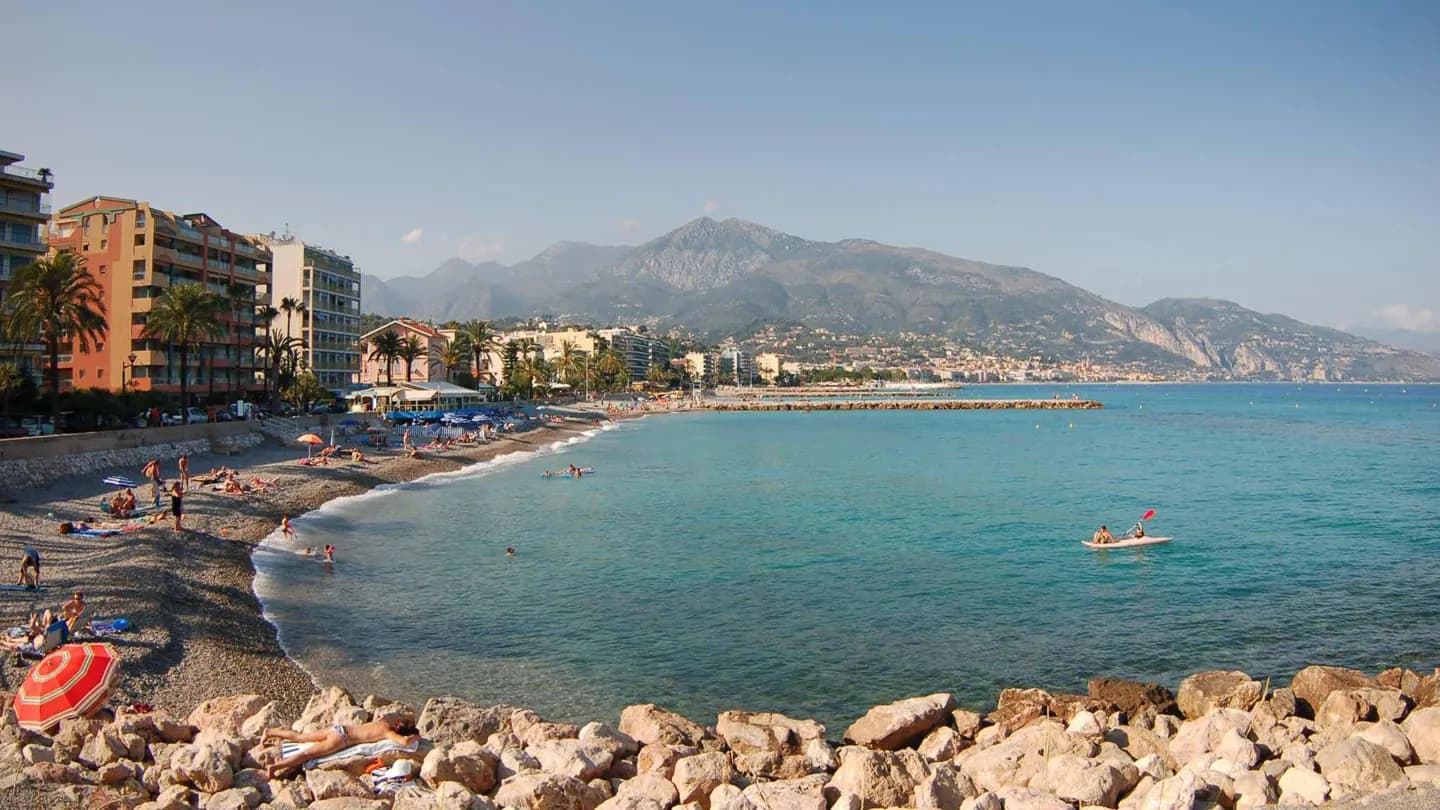
Roquebrune-Cap-Martin occupies the coast between Monaco and Menton, but its name contains two distinct landscapes. The old village stands above the water around a château, reflecting a medieval need to control routes along this border region. Cap Martin developed a different identity as the Riviera attracted wealthy visitors. Its later architectural history includes Le Corbusier's small Cabanon, part of the Cap Moderne story. The contrast is useful on the ground: stone lanes and an elevated defensive site in the village, then a coastal path and modern design on the cap. The wider commune also includes residential quarters and the seafront around Carnolès, so a map label alone does not describe the experience at any one stop. The separate settings reward a deliberate choice of route rather than a hurried pass through the commune.
Useful to know
- Treat the hill village and the cap as separate areas rather than a single short stroll.
- Check current access if you want to enter a site at Cap Moderne; the coastal path is a different experience.
Your next visit
Estimated · Declared scenario and planning estimates; no live opening, weather, queue or booking service.
Outdoor visit · 30–45 min
World planning estimate; admission, opening, visit duration and access need checking.