
Why go
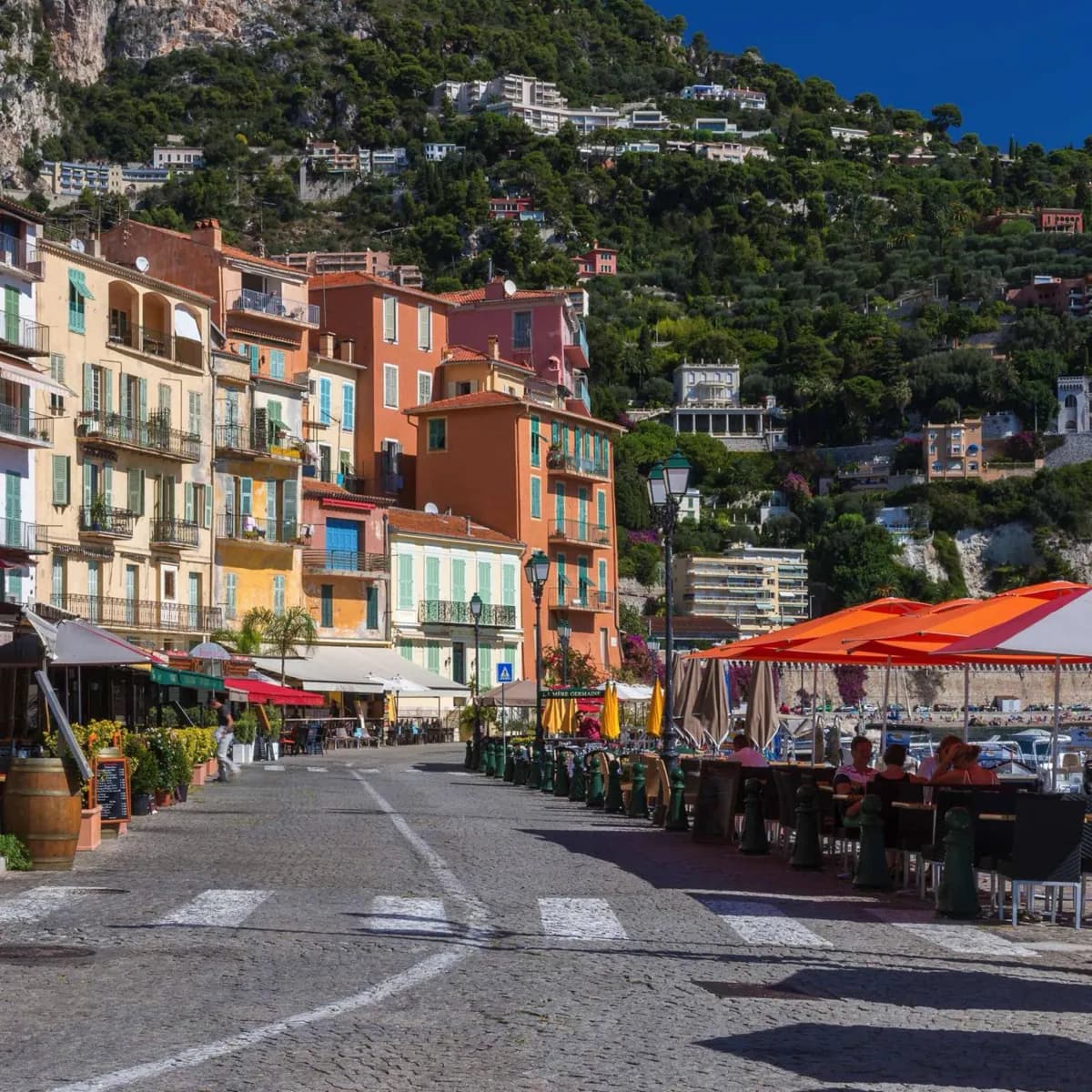
The story connects the waterfront with the Citadel and La Darse. It is especially useful before walking the old center, where the town’s narrow streets sit between a strategic harbor and the defenses built to protect it. The later naval uses make the bay’s depth more than a scenic detail.
The full story
Greek and Roman travelers used the natural harbor as a stop along the coast. In 1295, Charles II of Anjou drew people from the hills toward the water and gave the new Villefranche tax and port privileges. The “free port” became part of the town’s name. Savoy took control of the surrounding County of Nice in 1388. After a Franco-Ottoman force attacked the area in 1543, Duke Emmanuel Philibert built a Citadel at Villefranche and fortified Mont Alban above it. La Darse later served the galleys of Savoy. The harbor’s role shifted as Nice developed its own port, but Villefranche remained a naval base. It became French in 1860. Russian naval activity and oceanographic work later added another chapter, followed by a period as home port of the United States Sixth Fleet in the mid-20th century. The bay’s depth close to shore helps explain this unusually long sequence of maritime uses.