
Why go
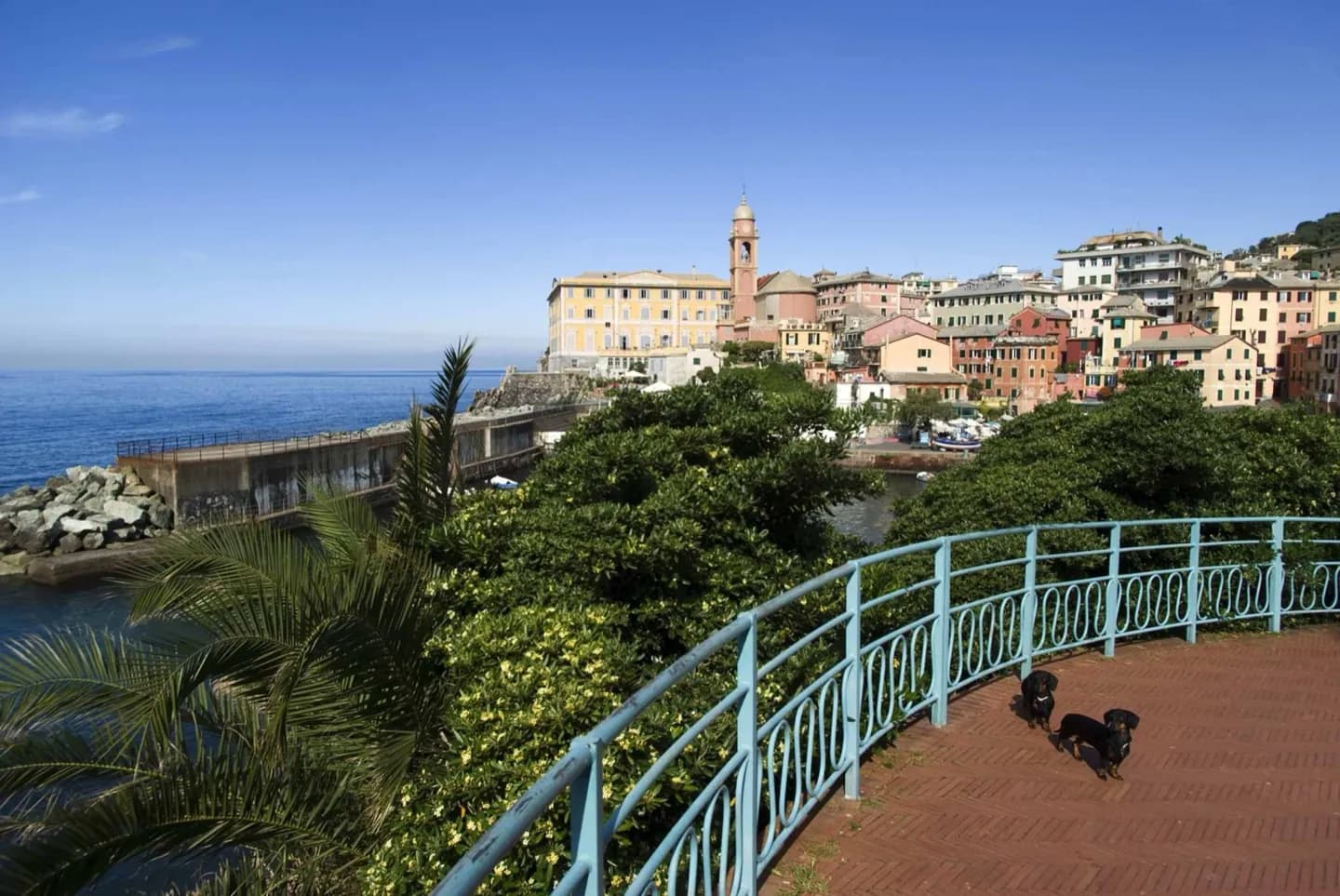
The city stretches east and west along the Ligurian coast while climbing quickly toward wooded hills. For trip planning, genoa's narrow coastal strip, steep slopes and mild maritime climate shape walking times, viewpoints and the best order for a day.
The full story
The city stretches east and west along the Ligurian coast while climbing quickly toward wooded hills. Map distances therefore hide changes in elevation, stairways and indirect streets. The historic center and Porto Antico are compact, but Castelletto, the Lanterna, Staglieno, Pegli and Nervi each require a deliberate transfer. Public elevators, funiculars and local trains reduce unnecessary climbing. Sea air moderates temperature, yet exposed promenades can be windy and summer lanes can feel humid. Rain makes slate, stone and steep paving slippery, so pair outdoor routes with nearby museums and churches. Use clear weather for Castelletto, Boccadasse or Nervi, and reserve palace interiors for hotter or wetter hours. Planning by district and elevation produces a calmer visit than crossing the city repeatedly.