
Why go
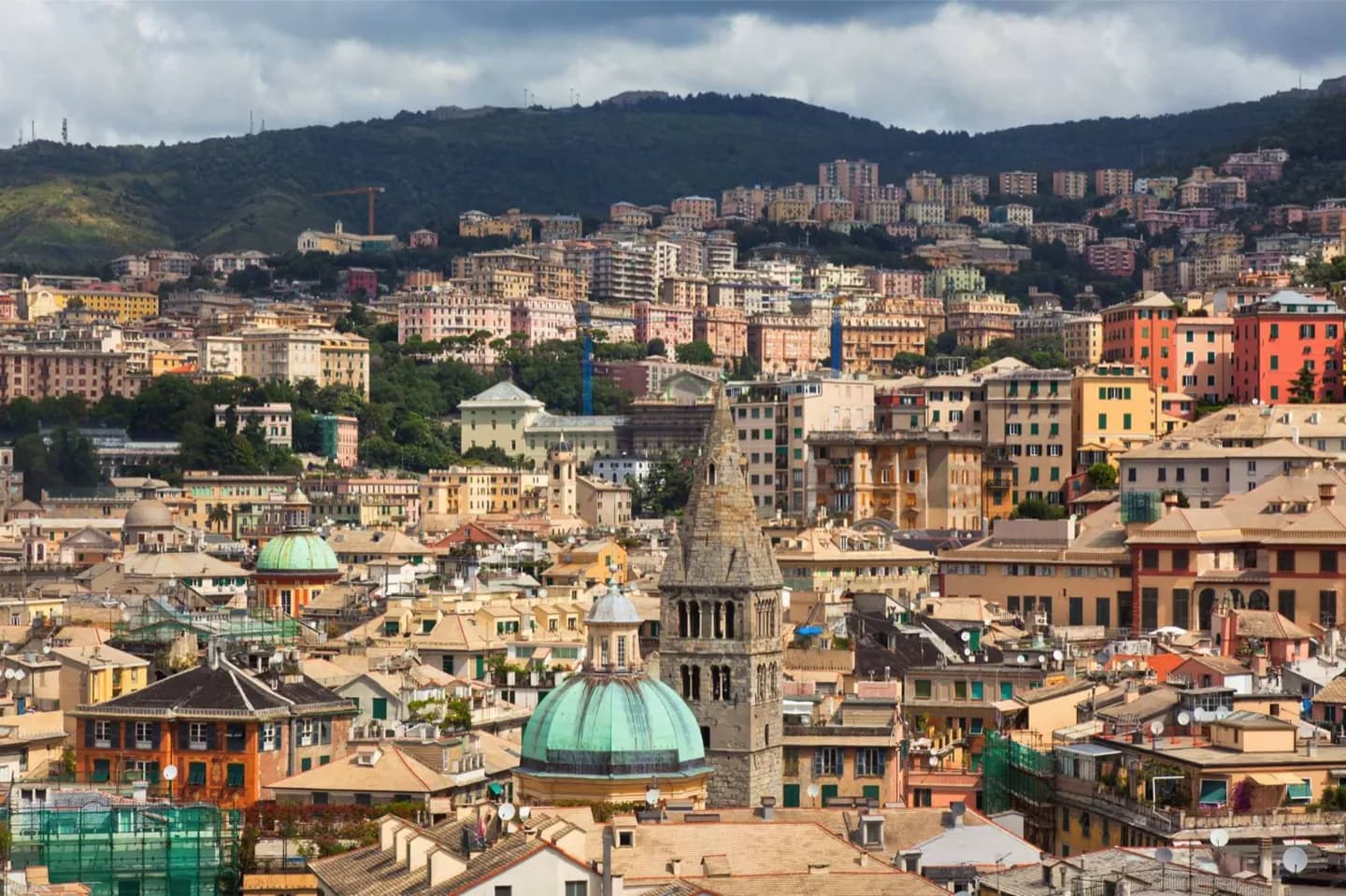
The city becomes easier to read once you stop expecting a flat sequence of monuments. For trip planning, genoa is a vertical port city where medieval lanes, aristocratic avenues and working-harbor infrastructure sit unusually close together. Keeping understanding genoa in view prevents avoidable transfers and leaves more time for the destination itself.
The full story
The city becomes easier to read once you stop expecting a flat sequence of monuments. The historic center spreads uphill from the old harbor through narrow caruggi, while nineteenth-century streets and squares open abruptly around it. Via Garibaldi records the wealth of banking families; the Lanterna, Galata and Porto Antico keep the maritime story visible. Public lifts and funiculars are not novelties but practical answers to steep terrain. Group visits by elevation as well as distance, and use the harbor as an orientation line. This approach makes transitions part of the experience: a dark lane can emerge into a noble courtyard, a public lift can end at a panoramic terrace, and a palace window can frame cranes and ferries. Genoa rewards selective interiors, slow street observation and enough flexibility to follow its changes in level.