
Why go
The episode is useful because it exposes how deceptive distance can be from the rim. It also sits within a much longer Indigenous history that began well before European records. At Spanish Expeditions at Grand Canyon, connect named places with visible evidence; let Spanish Expeditions at Grand Canyon guide pace and distance.
The full story
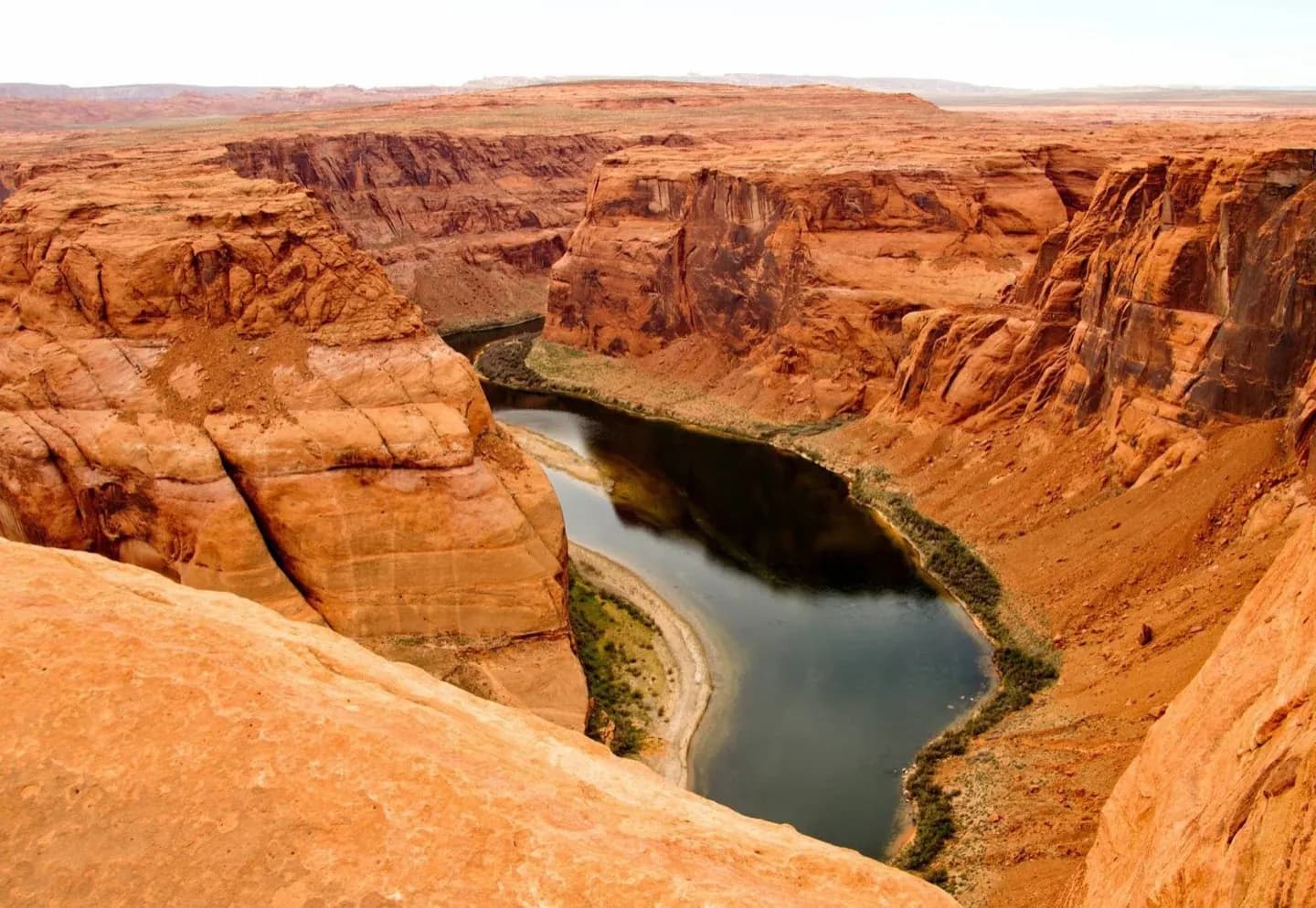
In 1540, members of Francisco Vázquez de Coronado's expedition reached the Grand Canyon under García López de Cárdenas. Indigenous guides already knew the landscape; the newcomers did not. From the rim, the Colorado River appeared narrow and nearby, and men sent to descend found the terrain far larger and more difficult than expected. Their account became one of the earliest written European descriptions of the canyon. The expedition did not discover an unknown place, and it did not establish lasting control there. Read the story as a lesson in perspective: immense cliffs compress distance, familiar-looking rocks may be enormous buttes, and the river can remain inaccessible even when visible. Eastern South Rim viewpoints provide the broad plateau and river context that makes this misreading easier to understand.