
Why go
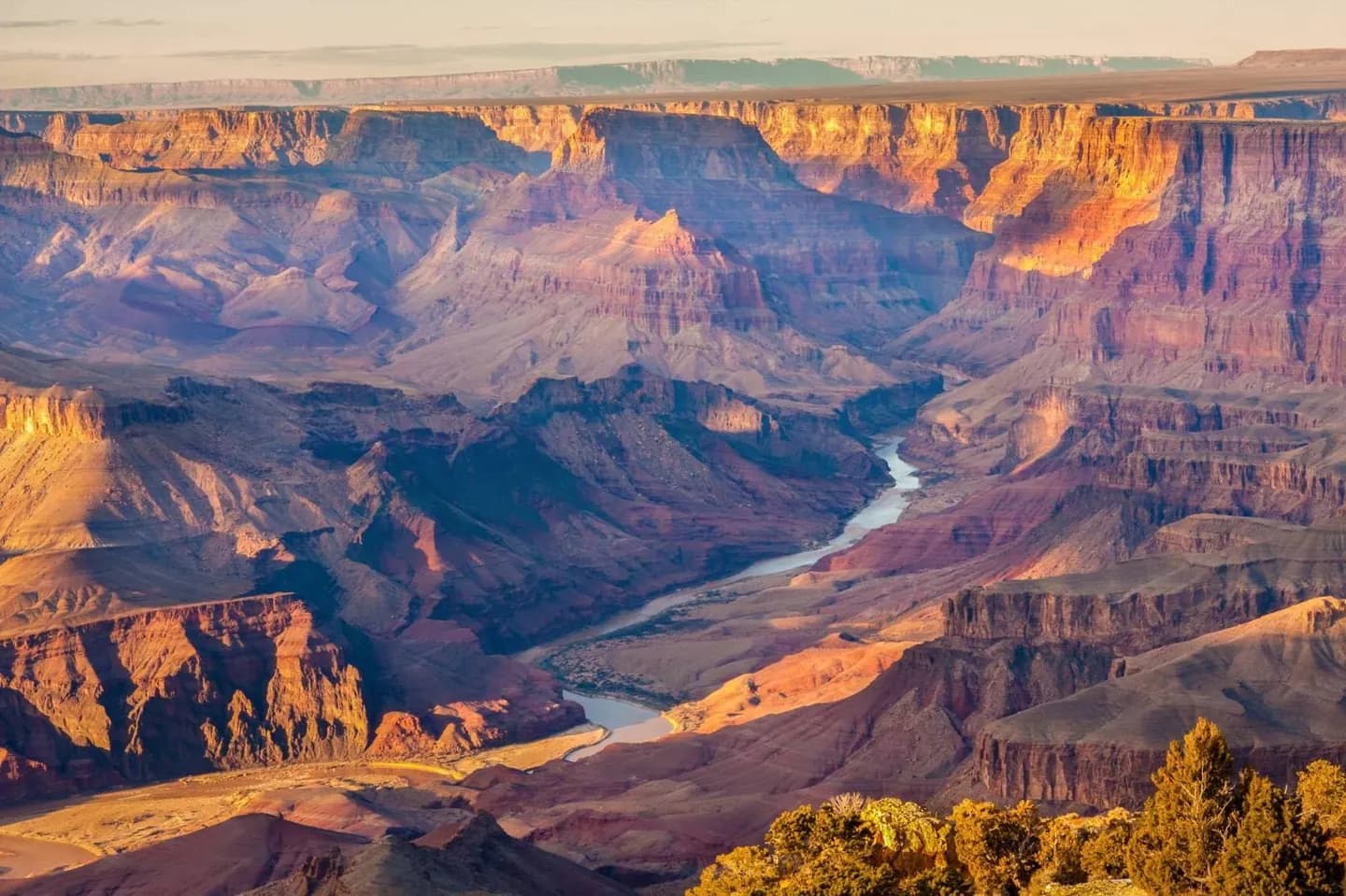
The memorial at Navajo Point connects a quiet overlook with a consequential national story. It adds human scale to a landscape whose distances contributed to the difficulty of recovery and investigation. At The 1956 Grand Canyon Air Disaster, connect named places with visible evidence; let The 1956 Grand Canyon Air Disaster guide pace and distance.
The full story
On June 30, 1956, two commercial airliners collided over the Grand Canyon region, killing everyone aboard both aircraft. The remote crash sites and the scale of the canyon complicated the response. The disaster exposed weaknesses in the era's air-traffic system and became part of the momentum for stronger federal coordination and modernization of air-traffic control. A stone memorial and plaque at Navajo Point commemorate the victims. Approach the site as a place of remembrance rather than a curiosity. The broad eastern canyon view also helps explain why location, communication, and access were so challenging. Current park interpretation provides the clearest site-specific account; avoid searching for or approaching remote wreck locations, which are protected and unsafe. The memorial asks visitors to hold the people, not only the policy changes, in mind.