
Why go
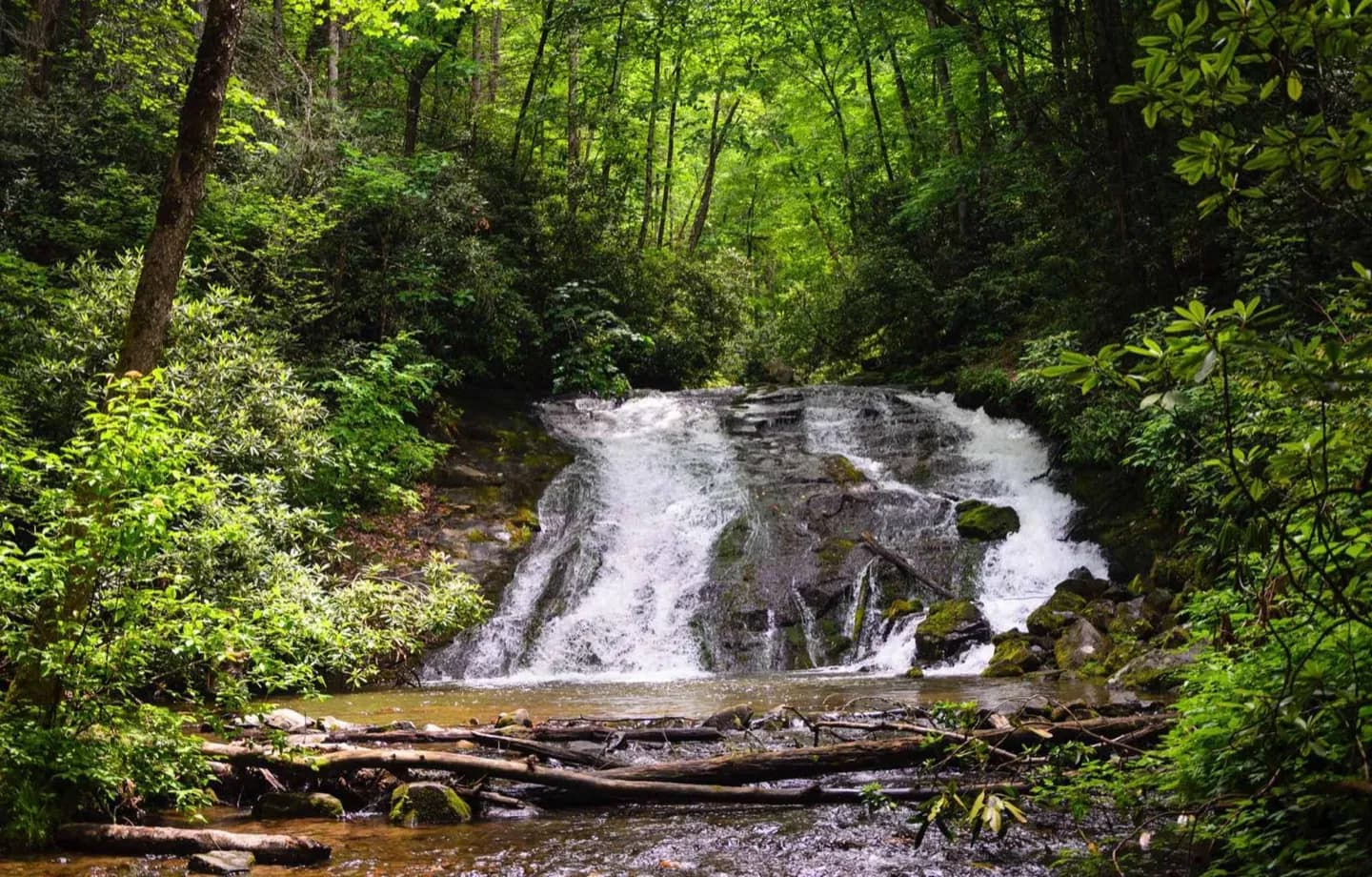
A trip from a low cove toward a high ridge reveals more than a new view. Broadleaf forest gives way to cooler mountain communities and, higher up, conifers such as Fraser fir. Heavy rainfall and the park's remaining old-growth forest add to its biological richness. Build a day around contrasting elevations to understand why the Smokies feel so varied.
The full story
The park's broad elevation range compresses changes usually seen over much greater distances. Warm lower slopes favor leafy hardwoods, while cooler upper slopes support plants associated with more northerly places. Higher still, conifers become more prominent. Moisture is a constant influence: abundant rain feeds streams and forests across the mountains, even as local conditions shift with slope and height. Some of the forest predates European settlement, offering a glimpse of the older Appalachian landscape. The park's plant and animal diversity follows from this combination of altitude, rainfall, and varied forest. The change is easiest to grasp by pairing places rather than reading a species list. Compare an open valley or low stream corridor with a high road stop or ridge trail. Notice differences in tree cover, temperature, and the feel of the air. The mountains do not simply rise above the valleys; they create different habitats stacked along the climb.
Useful to know
- Pair a lower valley or stream stop with a high overlook or ridge walk to feel the elevation contrast.
- Expect cooler, wetter conditions as you climb, even when the valley is comfortable.