
Why go
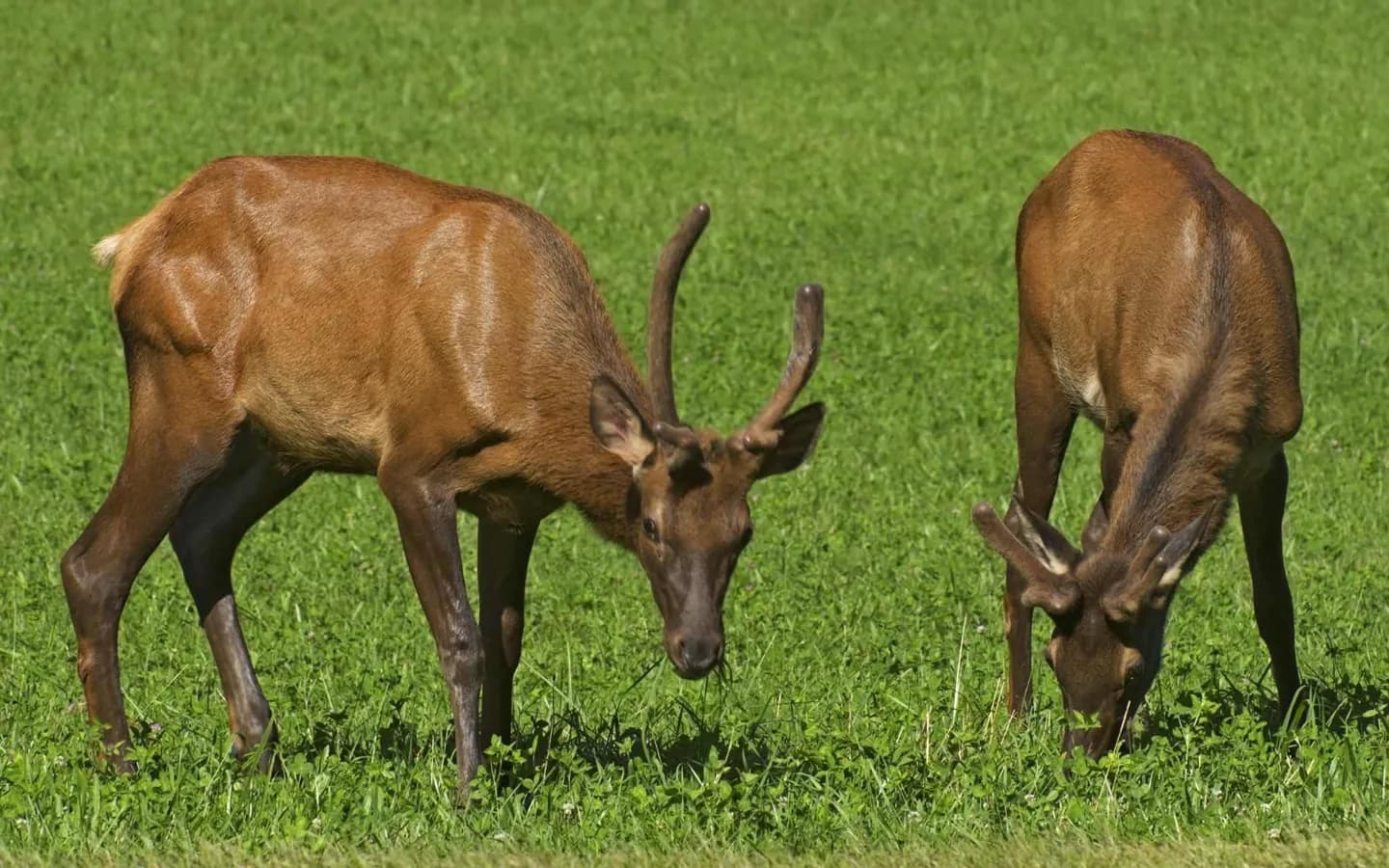
Look beyond a hoped-for bear sighting. Lower and middle forests support many songbirds, while high conifer forest has a different mix of animals. Squirrels and chipmunks are more readily noticed than nocturnal small mammals. Elk were reintroduced to the region, adding another reason to pay attention to open habitat as well as forest.
The full story
The Smokies bring together habitats that resemble different parts of eastern North America. Warmer lower forests and cooler high slopes support different communities of birds and mammals, so a change in elevation can change what you hear and see. Black bears range across the park, including places people use, which makes distance and food care part of every wildlife visit. The park's small mammals include squirrels, chipmunks, and rodents that are often active after dark. Birds occupy the layered hardwood forests, rivers, and higher conifers; species from both northern and southern ranges nest in the wider mountain system. Streams and damp forest floors add another dimension, with fish and amphibians that are easy to overlook from a car. Elk, absent from much of their former eastern range, were reintroduced in the early twenty-first century. None of these animals is guaranteed to appear, but the contrast between valley, stream, and high forest gives a more interesting way to watch.
Useful to know
- Watch wildlife from a distance and never leave food unattended where bears can reach it.
- For a fuller picture, compare an open valley with a forest trail or streamside stop.