
Why go
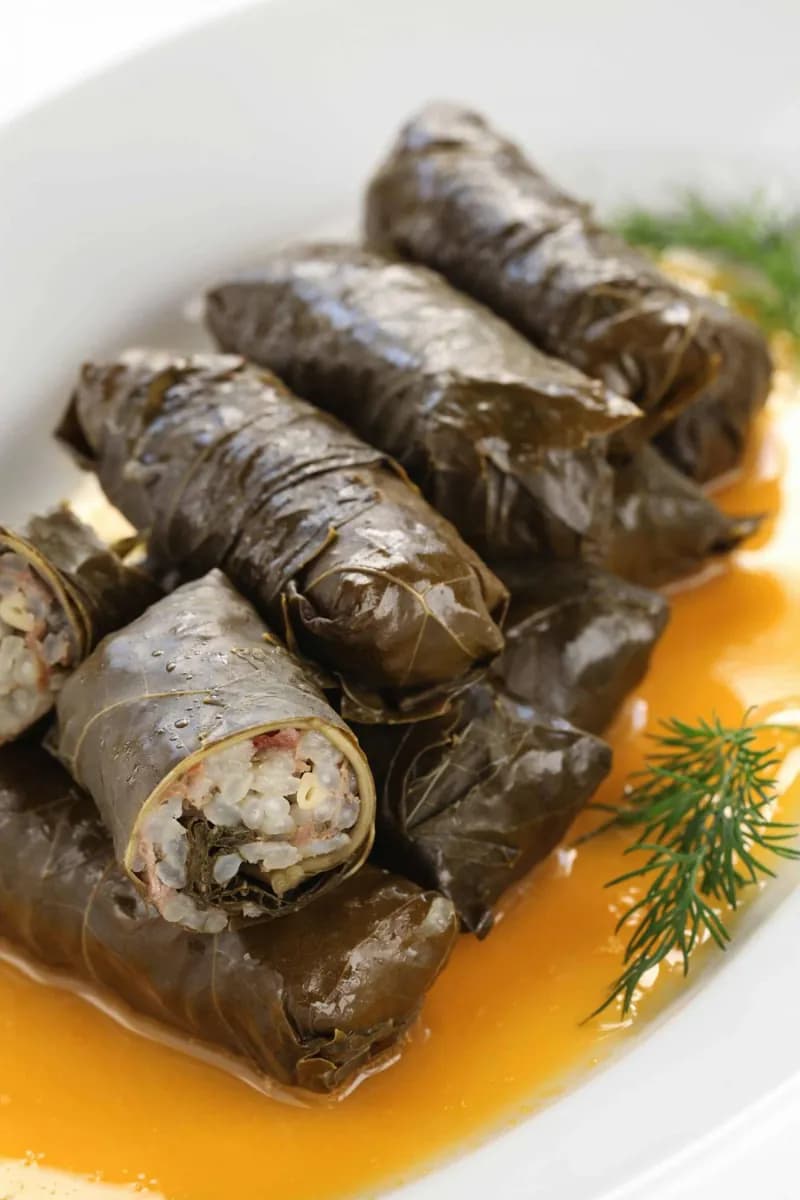
Order mezé, small dishes shared with a drink or meal, to compare flavors in one sitting. Look for a vegetable dish such as lachanorizo, cabbage with rice, alongside olives, cheese or fish. On Chios, mastic offers another regional flavor that a generic Greek menu may miss.
The full story
Olive oil, lemon, onions and herbs appear often in Greek cooking, but the combinations change with place and season. Coastal and island menus can foreground fish; inland cooking may draw more on grains, vegetables and meat. Cheeses include feta, graviera and mizithra, each with a different character. Regional ingredients also include thyme and pine honeys, and mastic, an aromatic resin associated with Chios. These are useful things to notice when reading a menu or browsing a food shop. Mezé is a set of small dishes, often served with wine, ouzo or tsipouro. It gives you a way to compare dips, vegetables and other plates without treating one dish as the whole cuisine. Lachanorizo is cabbage cooked with rice; baklava layers filo pastry, nuts and syrup or honey. A dish's name may tell you more than a broad promise of 'traditional food.' Greek cuisine has absorbed influences through centuries of contact around the Mediterranean. The better question at the table is what is being cooked here, in this region and season, rather than whether one plate represents all of Greece.