
Why go
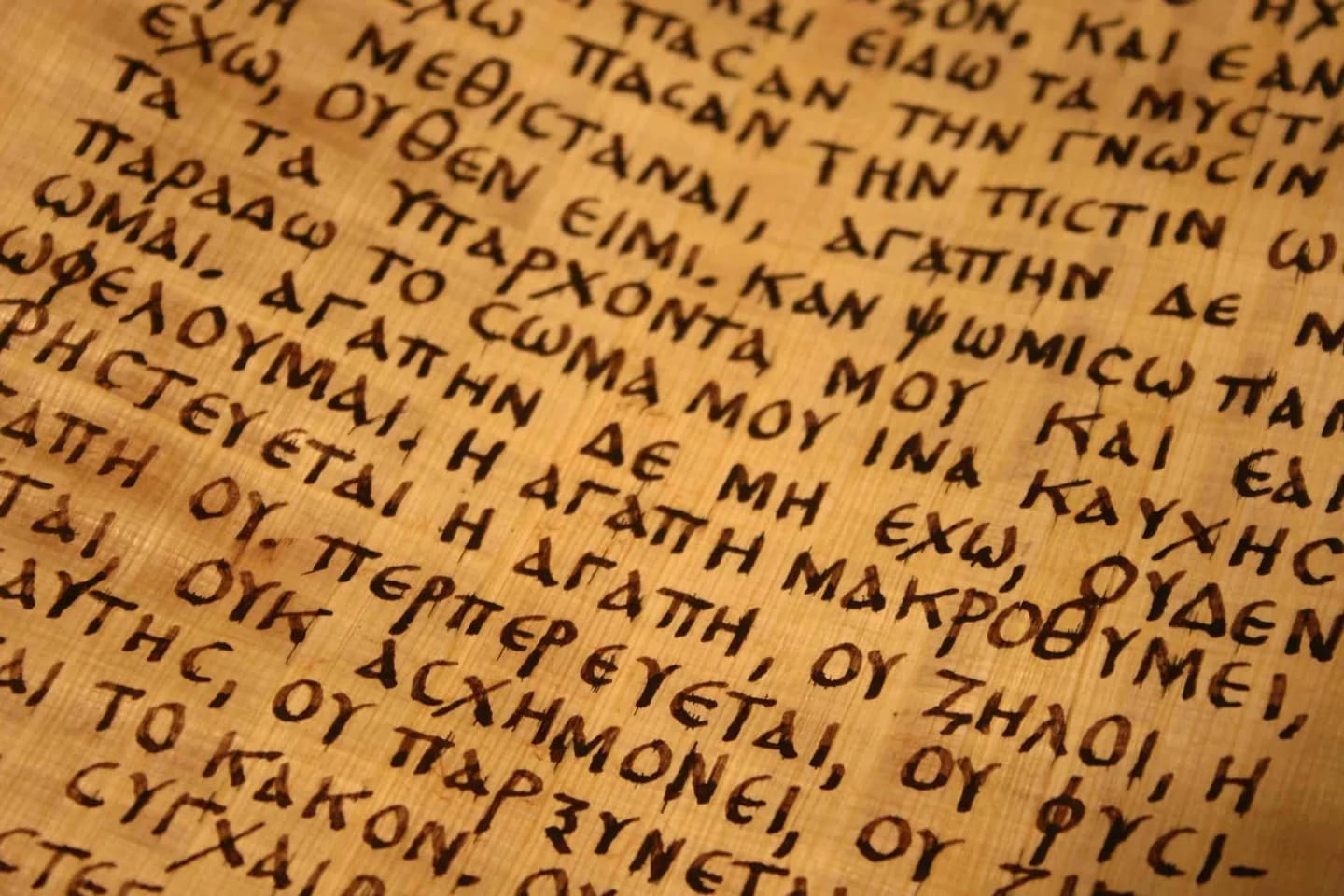
Knowing the Greek form of a destination name helps when reading signs, tickets or a bus display. The language also explains a visible link between Mycenaean Linear B, Byzantine texts and modern street signs, without assuming that these forms sound or read alike. A simple greeting and thank-you are useful starting points.
The full story
Written Greek reaches back to the Mycenaean use of Linear B. Later forms of Greek circulated widely around the Mediterranean and became central to the Byzantine Empire. Modern Greek is the language a visitor will encounter today, though older inscriptions and formal texts may use very different forms. In the nineteenth and twentieth centuries, a debate opposed Katharevousa, an archaizing form used in state and scholarly writing, and Dimotiki, the everyday language. Dimotiki became the official form in 1976. That history helps explain why older documents and contemporary speech do not always look alike. Greece is also home to other language traditions. Turkish, Romani and Bulgarian have been spoken in Thrace; Ladino has a long connection with the Jewish community of Thessaloniki. Arvanitika and Aromanian are among other regional languages with histories in Greece. Do not assume that a person's language reveals their identity. For practical travel, keep the Greek spelling of your destination alongside its English name and use a brief, polite opening when asking for help.