
Why go
Guangzhou's districts are large enough to shape a whole day. Understanding their different roles prevents long transfers and makes combinations more coherent. The most useful distinction is not administrative detail, but which districts concentrate old streets, museums, modern plazas, river views or destination-scale entertainment.
The full story
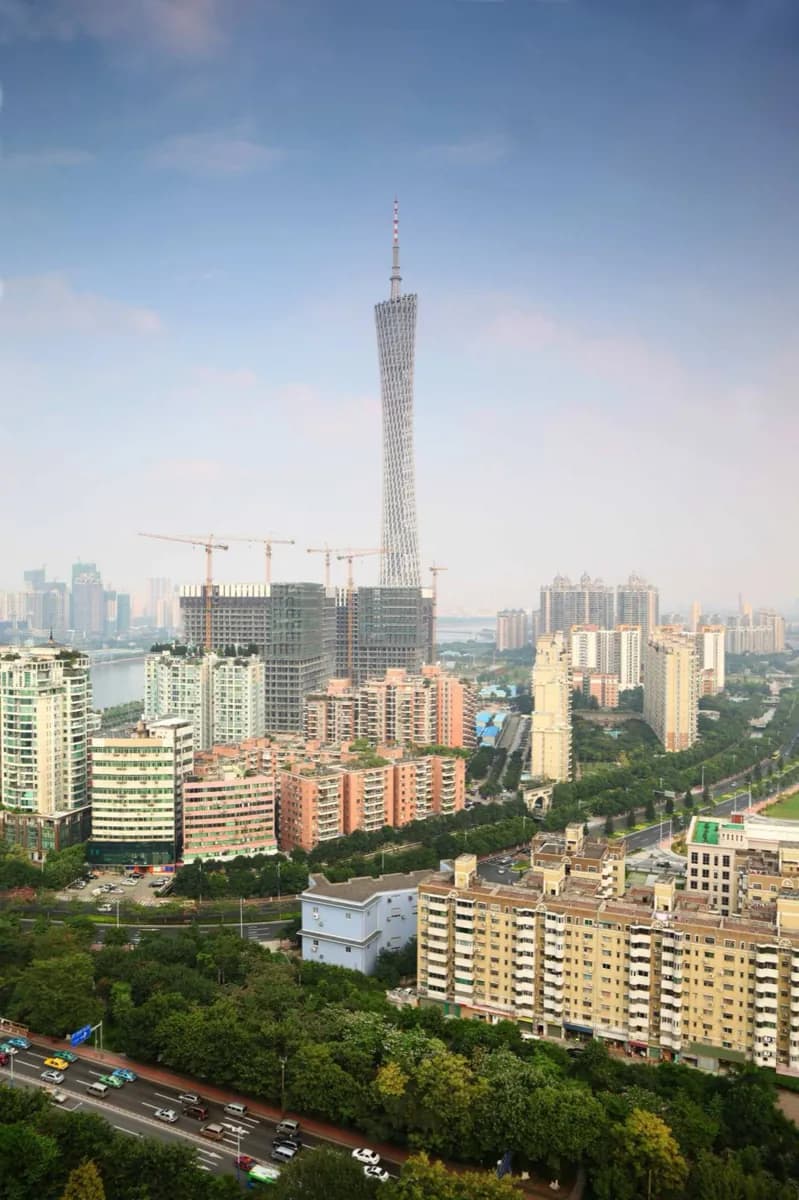
Liwan carries much of the visitor's image of old Guangzhou: Xiguan traditions, arcaded commercial streets, Lychee Bay and Shamian's former foreign concessions. Yuexiu holds a different historical concentration, including archaeological museums, religious sites and institutions connected with modern political history. Together they support several compact heritage days. Tianhe is the clearest place to read contemporary Guangzhou. Zhujiang New Town, Huacheng Square and successive generations of towers show how the urban center moved east. Across and along the river, Haizhu adds Canton Tower and large public spaces. Panyu lies farther south and is most relevant here for Chimelong Paradise. These are planning zones, not single attractions; each still needs named anchors and realistic travel time. That choice keeps the day coherent.
Useful to know
- Base old-city walks in Liwan or Yuexiu, where Shamian, temples, museums and pedestrian streets form workable clusters.
- Use Tianhe and nearby Haizhu for the modern axis and Canton Tower, and treat Panyu's Chimelong as a separate half- or full-day trip.
- Do not use old district counts or boundary descriptions for navigation; check current maps for exact addresses.