
Why go
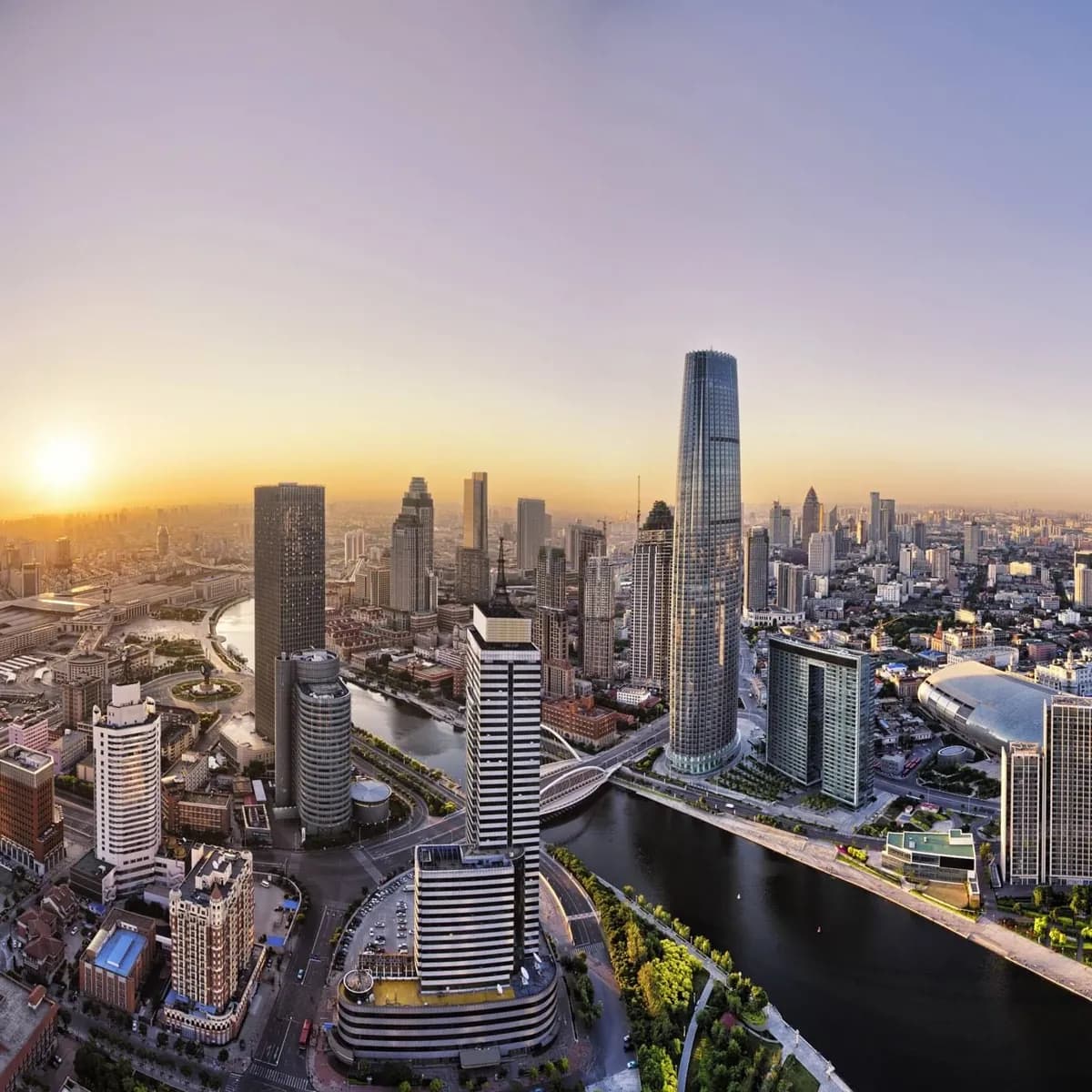
A clear city overview makes the destination's contrasts easier to read on the ground. The Pearl River explains trade and settlement, old Liwan and Yuexiu preserve earlier layers, and Tianhe shows the center's eastward shift. This framework helps travelers choose places with a shared story.
The full story
Guangzhou developed beside the Pearl River as the principal city of the Lingnan region and a durable point of exchange between inland southern China and maritime routes. The older English name Canton survives in terms such as Cantonese cuisine and Canton Tower, but Guangzhou is the current city name. Trade brought more than goods: Buddhist and Islamic sites, foreign commercial compounds and local craft traditions all became part of the city's built record. The modern metropolis no longer has a single obvious center. Liwan and Yuexiu hold many of the oldest streets, temples and museums. Tianhe and Zhujiang New Town form a newer civic and business axis, while the river connects both sides through promenades, bridges and views. Reading these areas together is more useful than relying on dated population rankings or a simple old-versus-new story.