
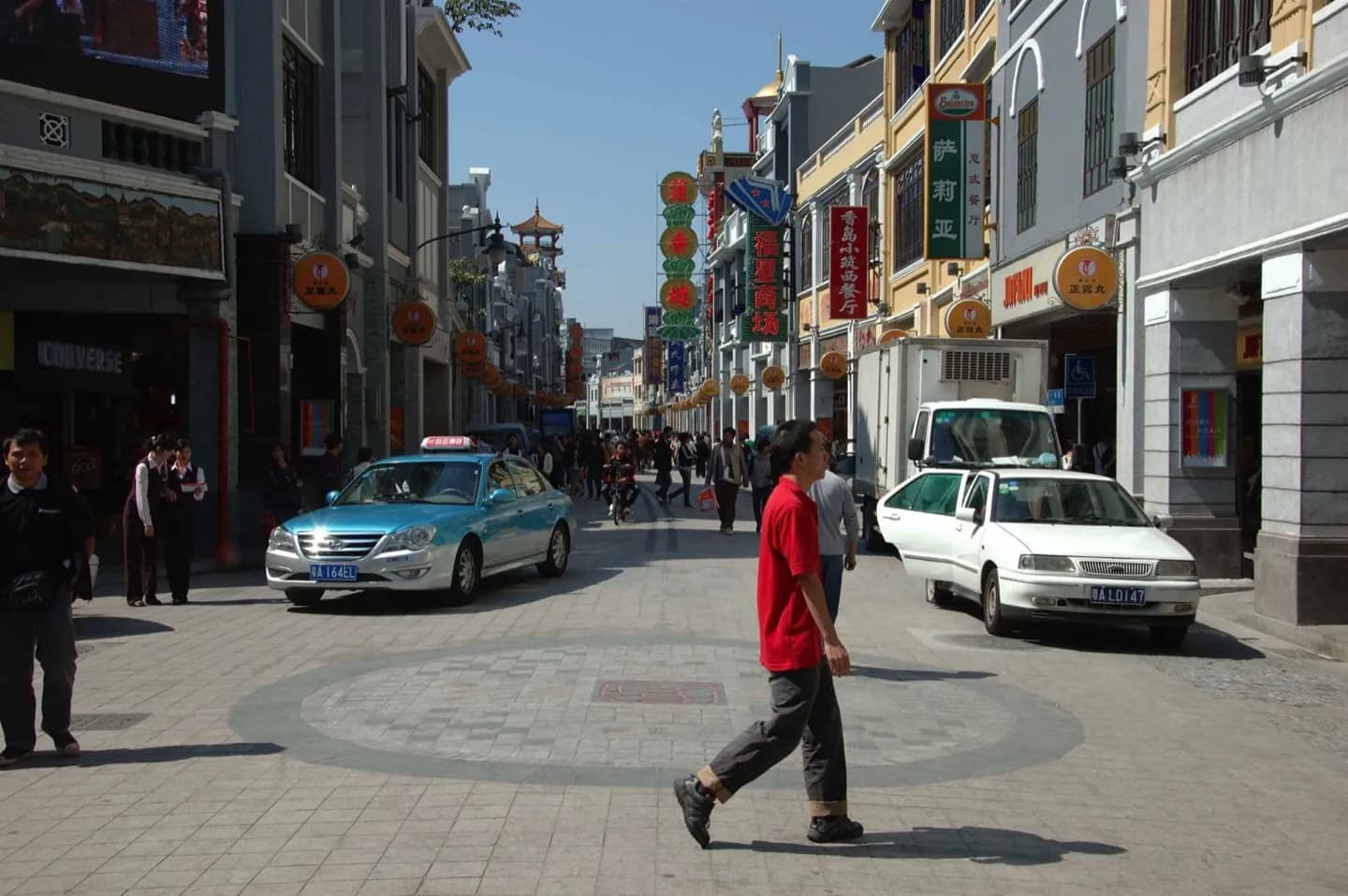
Why go
A taxi can save time when a metro station sits far from a scenic-area gate or when heat and luggage make transfers difficult. Communication and traffic are the main trade-offs. A clearly saved address is more useful than relying on spoken English or outdated fare tables.
The full story
Taxis fill the gaps between Guangzhou's extensive rail network and places whose entrances lie beyond an easy walk. They can be particularly useful for luggage, mountain access or a late return from a district with fewer simple connections. Road congestion, however, can erase the time advantage during busy periods. The legacy guide recorded exact starting fares, surcharges and operator details. Those facts change and should be checked through current local information. Before entering, save the destination name and full address in Chinese, including the correct gate when a site has several. Use the meter or the agreed in-app method, follow the route on your phone, and keep a screenshot for the return journey. At transport hubs, use the official taxi queue rather than accepting unsolicited rides.
Useful to know
- Show the destination and exact entrance in Chinese, and keep the return address saved offline.
- Use official ranks or a reputable ride-hailing service; verify current payment methods and do not rely on old fare figures.