
Why go
Guangzhou's attractions sit across several centers, so the metro often determines whether a plan feels coherent. It is especially useful for the long shift between old-city districts and Tianhe. A route built around nearby stations preserves energy for walking and reduces dependence on road traffic.
The full story
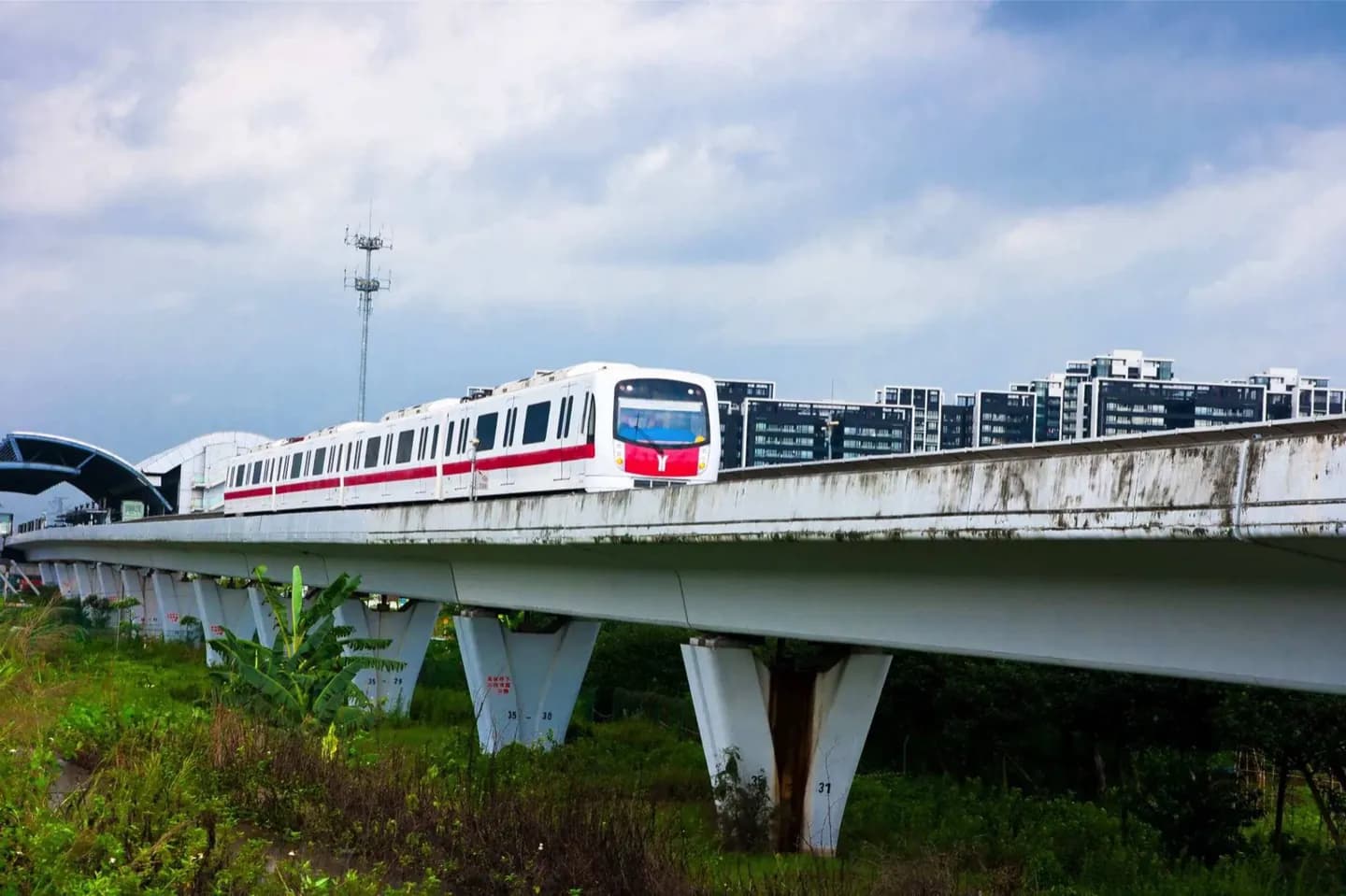
The Guangzhou Metro connects the old districts, railway stations, modern business centers and outer areas that appear in this guide. English signage and numbered lines make the system more approachable than the city's scale first suggests, but large interchange stations can still add time. The useful habit is to choose the station closest to the day's first cluster and avoid repeated cross-city returns. Tickets, fares, service hours and payment methods evolve, so they belong to the operator's current information rather than durable prose. Map the final walking leg as carefully as the rail trip: a station may have several exits, and wide roads or underground complexes can make the wrong one costly. At the end of the day, check the last practical connection before committing to a late observation deck or distant dinner.
Useful to know
- Check the official network map and choose the correct station exit before surfacing.
- Allow extra time for large interchanges and verify the last train when returning from an evening stop.