
Why go
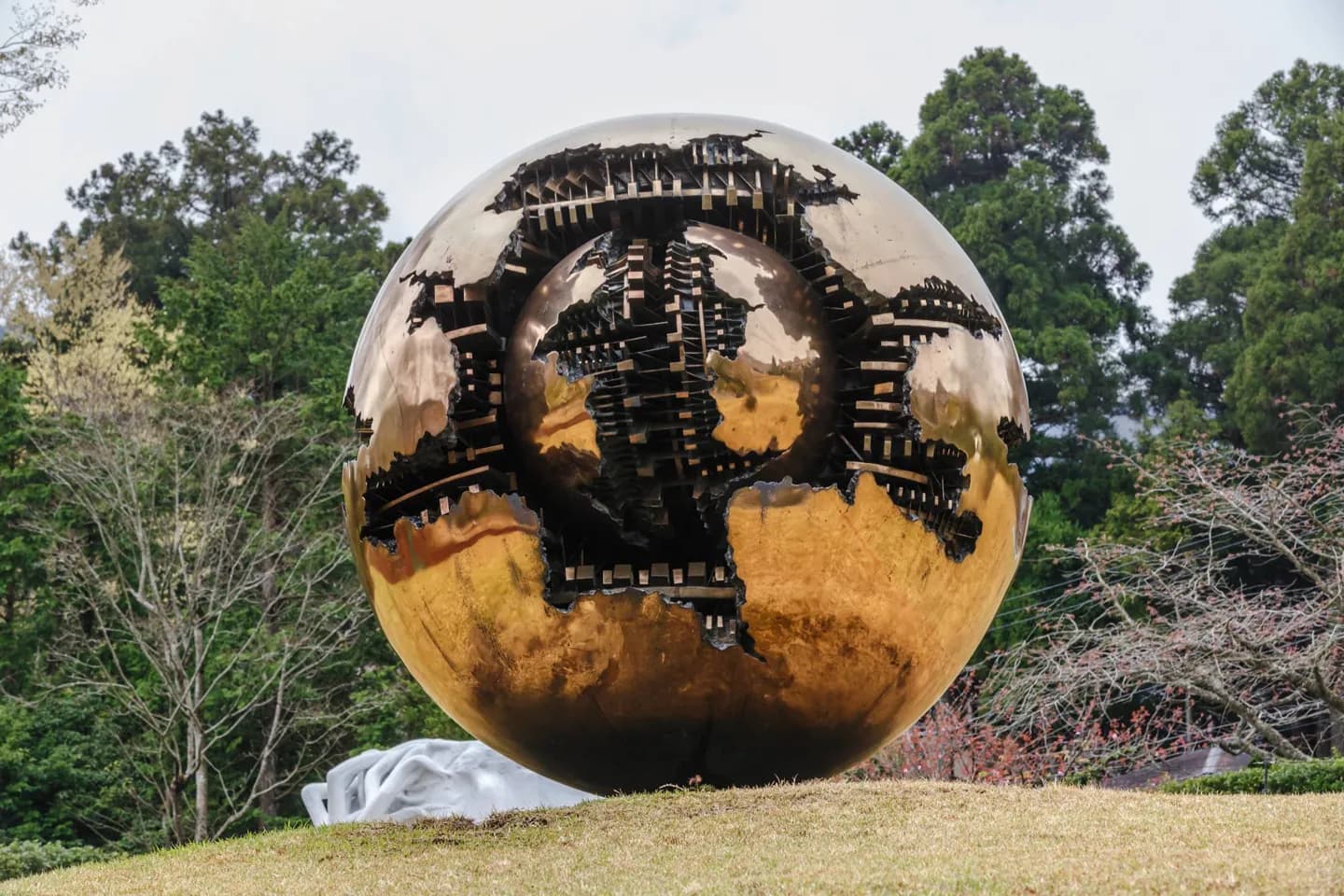
The museum makes the mountain setting part of the art experience. You can move from large sculptures in open space to the stained glass of the Symphonic Sculpture and works in the Picasso Pavilion. It offers a substantial museum visit that still feels connected to Hakone's landscape.
What to look for
- Outdoor sculptures stand against the surrounding Hakone mountains.
- The Symphonic Sculpture is a stained-glass tower visitors can enter.
- The Picasso Pavilion gives the outdoor walk an indoor counterpart.
The full story
Opened in 1969, the Hakone Open-Air Museum was Japan's first open-air museum. That idea matters as you move through it: the works are placed in a mountain landscape rather than confined to gallery rooms. The changing background, scale and distance between sculptures shape how they look. Start with the grounds and let the larger pieces pull you across the site, then use the indoor spaces for a different pace. The Symphonic Sculpture turns stained glass into a space you can walk inside. The Picasso Pavilion changes the scale again, bringing the focus back to works viewed close up. The visit works best when you leave room for both modes. Rushing only to a named artist would miss the relationship between sculpture and Hakone's hills that defines this museum.
Useful to know
- Set aside enough time for both the sculpture grounds and indoor displays.
- Check weather-related feature closures if the outdoor works are your main reason to visit.
Your next visit
Estimated · Declared scenario and planning estimates; no live opening, weather, queue or booking service.
Outdoor visit · 10–15 min
Public-space walk and exterior observation only; no interior, garden, tower or ticketed admission included. Durations and walking are estimates. Check temporary restrictions and park or market opening times.
Outdoor visit · 30–45 min
World planning estimate; admission, opening, visit duration and access need checking.