
Why go
The shrine connects Hakone's lake scenery with centuries of worship and travel. Its Peace Torii gives the shore a clear landmark, while the Treasure Hall displays objects tied to the shrine's past. The site is especially rewarding when you also spend time along Lake Ashi rather than treating the gate as the whole visit.
What to look for
- The Peace Torii stands at the edge of Lake Ashi.
- The Treasure Hall displays historic shrine objects.
- The shrine's lakeside setting links worship with Hakone's old travel route.
The full story
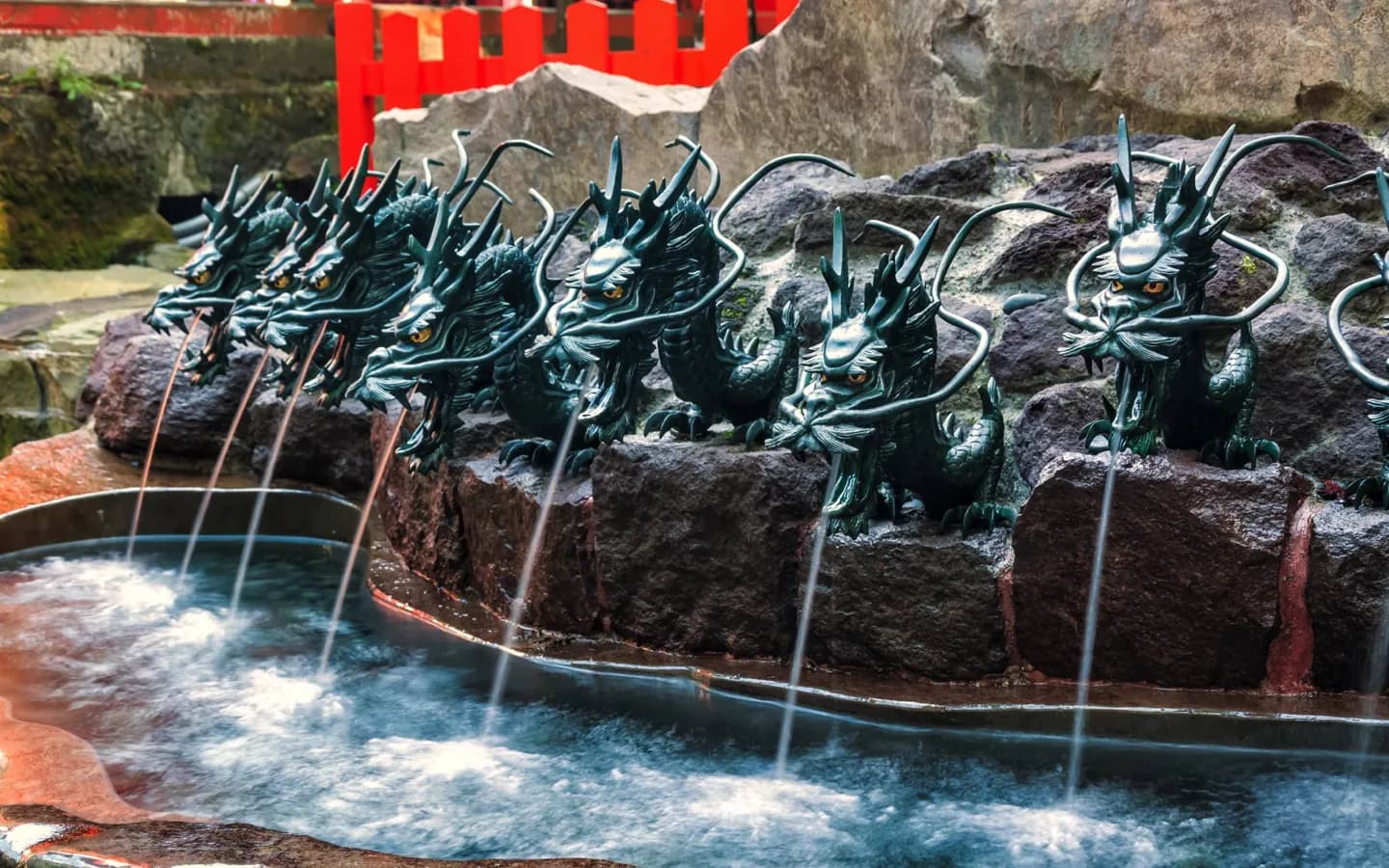
Hakone Shrine's history is closely tied to the mountains and the lake. Shrine tradition places its founding in the eighth century and its earlier site on Mount Komagatake, before worship moved toward Lake Ashi. A story about a nine-headed dragon of the lake remains part of the shrine's religious setting. The shrine also appears in accounts of Minamoto no Yoritomo, who sought help here after defeat at the Battle of Ishibashiyama and later became its patron. Those layers make the lakeside position more than a scenic backdrop. The Peace Torii marks the meeting of water and shrine, while objects in the Treasure Hall point to the institution's long life. If you have come mainly for the torii, give the shrine itself time as well; its history is rooted in both the mountain and the shore.
Useful to know
- Pair the shrine with a walk along Lake Ashi's shore.
- Check the Treasure Hall separately if its collection is a priority; it is a distinct paid facility.
Your next visit
Estimated · Declared scenario and planning estimates; no live opening, weather, queue or booking service.
Outdoor visit · 30–45 min
World planning estimate; admission, opening, visit duration and access need checking.