
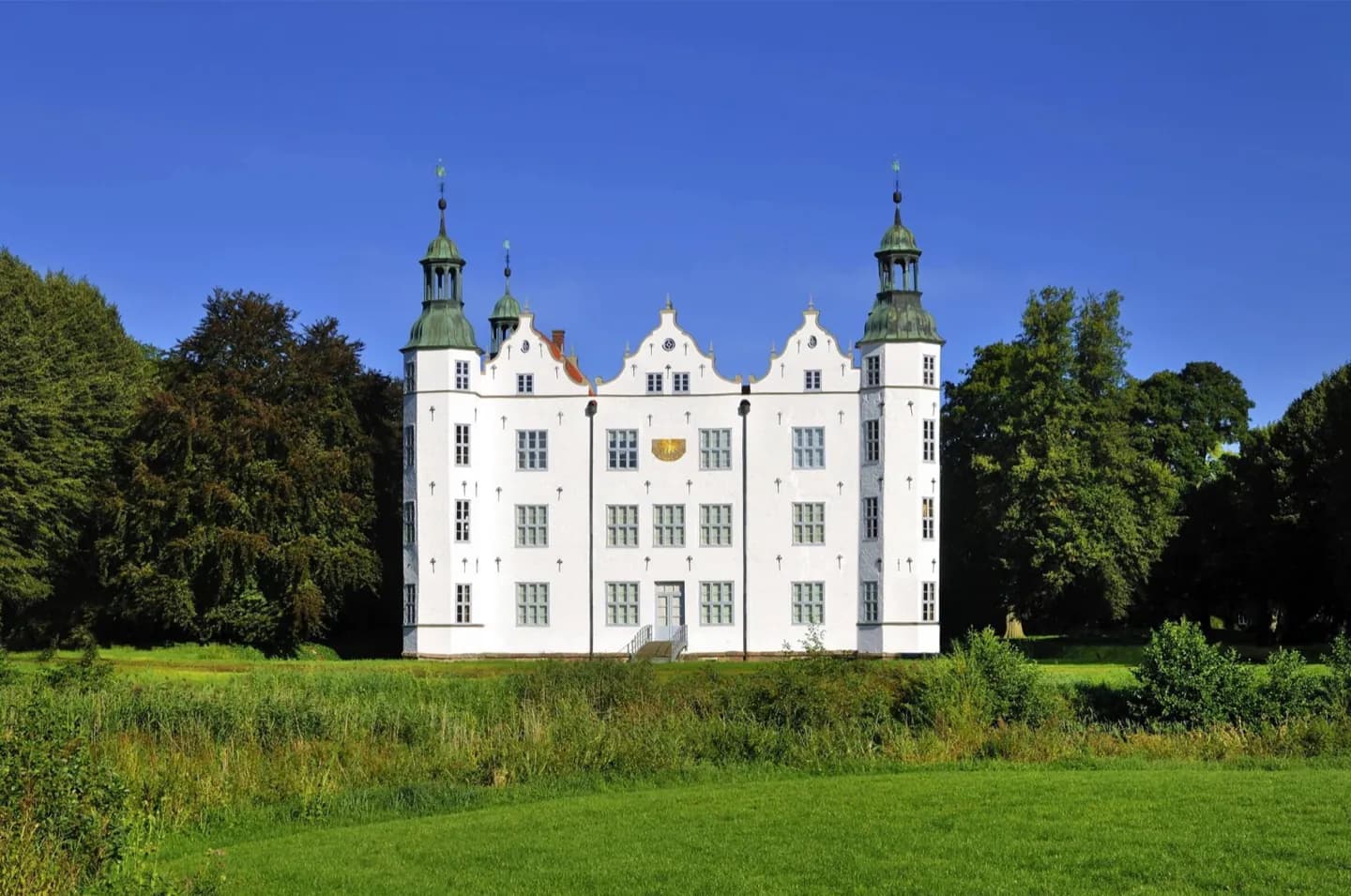
Why go
At Ahrensburg, examine the main streets and side — Ahrensburg — routes. Then let Ahrensburg reveal contrasts between older — Ahrensburg — fabric and present-day use. In Ahrensburg, those details — Ahrensburg — oppose a single-ticket attraction. For a varied Hamburg — Ahrensburg — or Lübeck day, Ahrensburg supplies a concrete purpose — Ahrensburg — rather than an interchangeable landmark.
What to look for
- The main streets and side routes
- Contrasts between older fabric and present-day use
The full story
Ahrensburg is most useful when treated as a question, not a checklist: how does this subject explain Hamburg as a port city and city-state? Its central thread is a district or nearby town best understood through its streets, architecture and changing public life. Start with the main streets and side routes, then use contrasts between older fabric and present-day use to connect the topic with places visible elsewhere in the city. Hamburg repeatedly links civic independence with trade, water and rebuilding. Those forces appear at different scales, from street names and food traditions to brick warehouses, churches, transit lines and music venues. The practical choice is to match the subject with a real part of the day. Read the historical or cultural context before visiting the related district, and keep current opening times, fares and event access separate from the durable story. That approach turns Ahrensburg into preparation for noticing specific contrasts rather than background information to memorize.
Useful to know
- Check current access and ticket conditions before leaving, especially for interiors or performance venues.
- Allow for wind or rain and keep an indoor alternative nearby when the route is exposed.
Your next visit
Estimated · Declared scenario and planning estimates; no live opening, weather, queue or booking service.
Outdoor visit · 45–90 min
World planning estimate; admission, opening, visit duration and access need checking.