
Why go
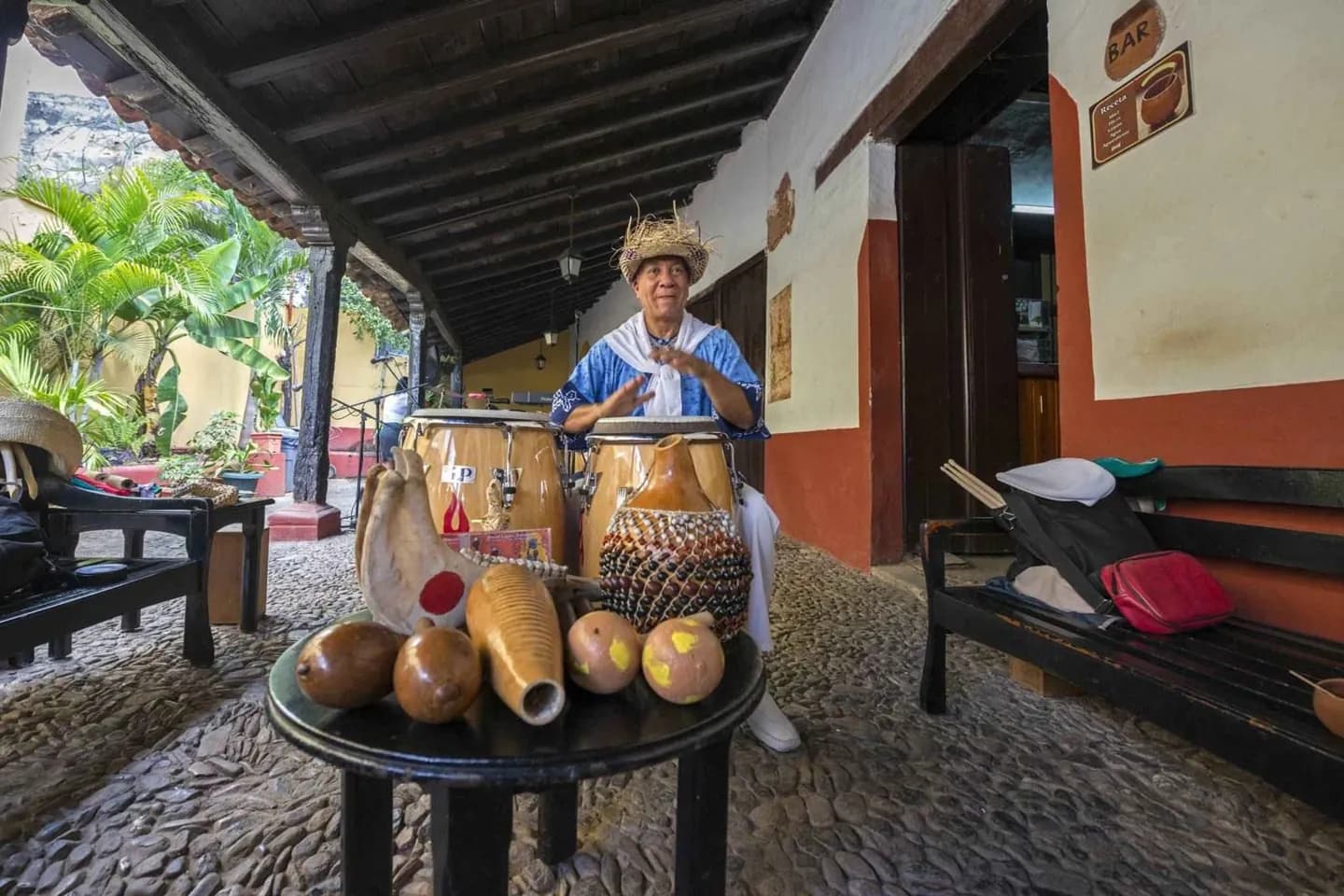
At Music in Havana, son, rumba, jazz, nueva trova and dance traditions that developed through different communities and institutions becomes visible around Centro Habana, Vedado and established performance halls. Music in Havana offers context anchored in those places. This makes Music in Havana useful before setting out. Keep live logistics separate from Music in Havana's durable story.
The full story
Music in Havana begins with son, rumba, jazz, nueva trova and dance traditions that developed through different communities and institutions. The reference points—Centro Habana, Vedado and established performance halls—put Music in Havana on Havana's map. Around those locations, compare architecture, public space, movement and daily use through the lens of Music in Havana. The physical evidence matters: it shows why neighboring places can reflect different periods, and why a short distance may still create a distinct urban experience. Return to Music in Havana while standing in the relevant district. Details such as stonework, street alignment, monuments, gardens or shoreline geography make its larger pattern easier to recognize. The planning question for Music in Havana is how to choose a music experience by genre rather than by outdated venue listings. Let that answer set the route's limits and priorities. Check current access, transport, weather or event information wherever it changes the feasibility of Music in Havana. This keeps the lasting cultural account intact without presenting volatile schedules, prices or procedures as permanent facts.
Useful to know
- Use Centro Habana, Vedado and established performance halls as the focused route for Music in Havana.
- Check current official logistics whenever they affect Music in Havana directly.