
Why go
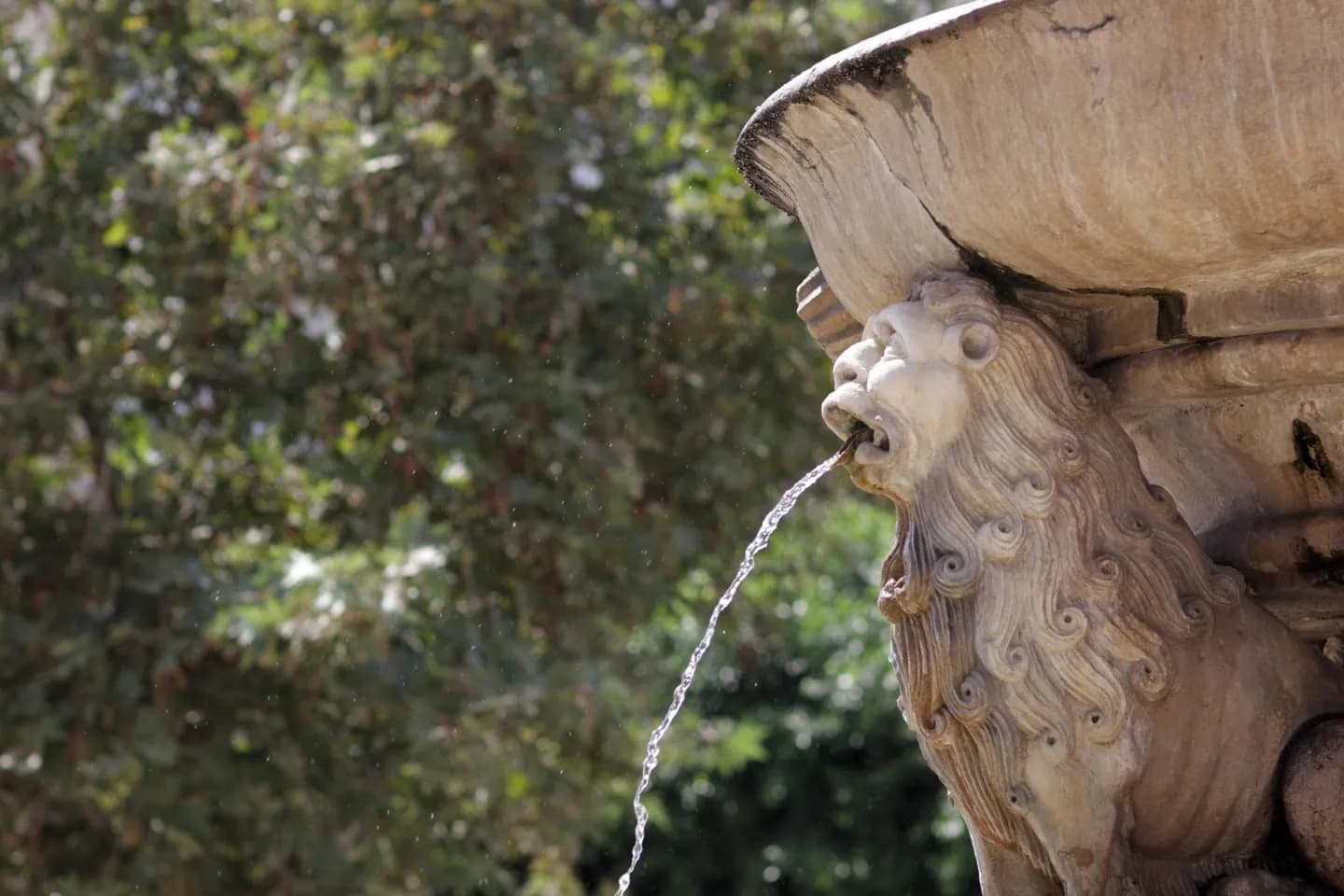
Use this chapter before walking from Koules Fortress into the centre. It connects maritime defence with civic life: the arsenals and walls protected a strategic port, while the Loggia and Morosini Fountain served the city within. It also explains why Candia could mean both Heraklion and Venetian Crete.
The full story
Venice gained Crete after the Fourth Crusade and made Candia its island capital. The city’s name could also stand for the island, reflecting the capital’s importance to Venetian rule. Holding Crete required sustained investment in defence. The great walls and harbour fortress still show that concern, while the arsenals recall the practical work of maintaining ships. Within the old city, the Loggia represented civic authority and fountains such as Morosini supplied public water in monumental form. Venetian rule also brought contact and tension between Venetian settlers and local Greek communities. Over time, the island became a setting for the arts and letters often described as the Cretan Renaissance. The long Ottoman siege ended Venetian control of Candia in 1669. Seeing these buildings together keeps the era from becoming only a story of walls: the same port had administrative, commercial and cultural life behind its defences.