
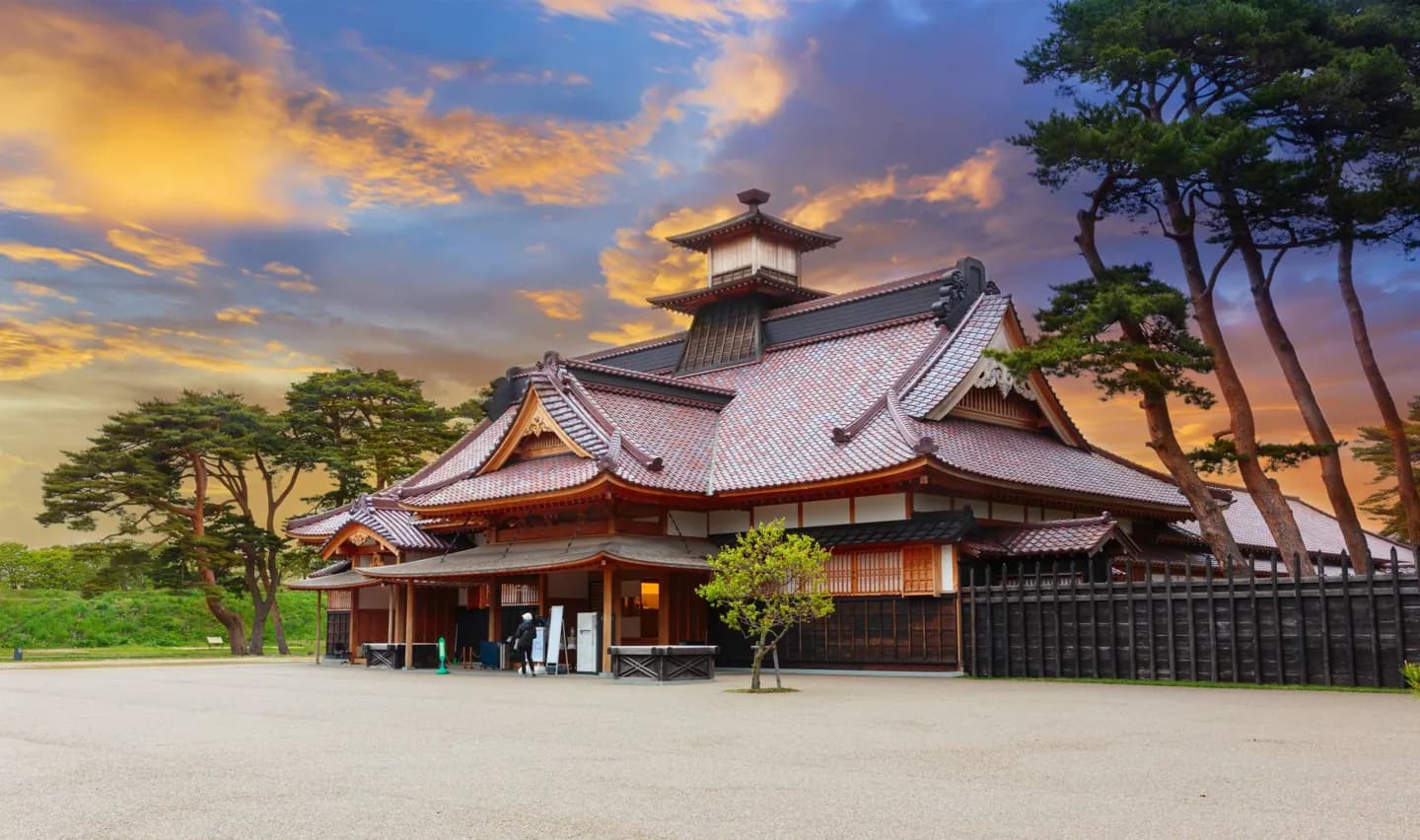
Why go
The historic buildings of Hakodate and Sapporo make more sense when seen against the older history of Ainu communities and cross-strait trade. Japanese settlement began in the south, while later state-led development reshaped towns, farming and transport. Reading these periods together helps avoid treating Hokkaido as an empty frontier that simply acquired modern cities.
The full story
Ainu communities lived across Hokkaido long before the growth of Japanese towns. People traded with northern Honshu, exchanging products of hunting and fishing for goods including rice and iron. Japanese settlements later grew on the southern Oshima Peninsula, where disputes over trade and control led to conflict. The Matsumae clan became a major power in this southern zone. During the Meiji period, the new government pushed to develop and administer Hokkaido more directly. It brought new settlers and drew on overseas advice about agriculture and mining. Sapporo Agricultural College, founded with William S. Clark's involvement, is one trace of that effort; the city's historic buildings preserve others. Expansion also transformed Ainu land and life, a history that should remain part of any account of the island's growth. In Hakodate, Sapporo and museums devoted to Ainu culture, look for how trade, settlement and state policy shaped different places rather than expecting a single story of development. In Sapporo, another chapter is visible each winter: the Snow Festival began in 1950 with six snow sculptures made by local students in Odori Park. It later grew into a much larger city event, but those small beginnings help explain why the park remains its centre.