
Why go
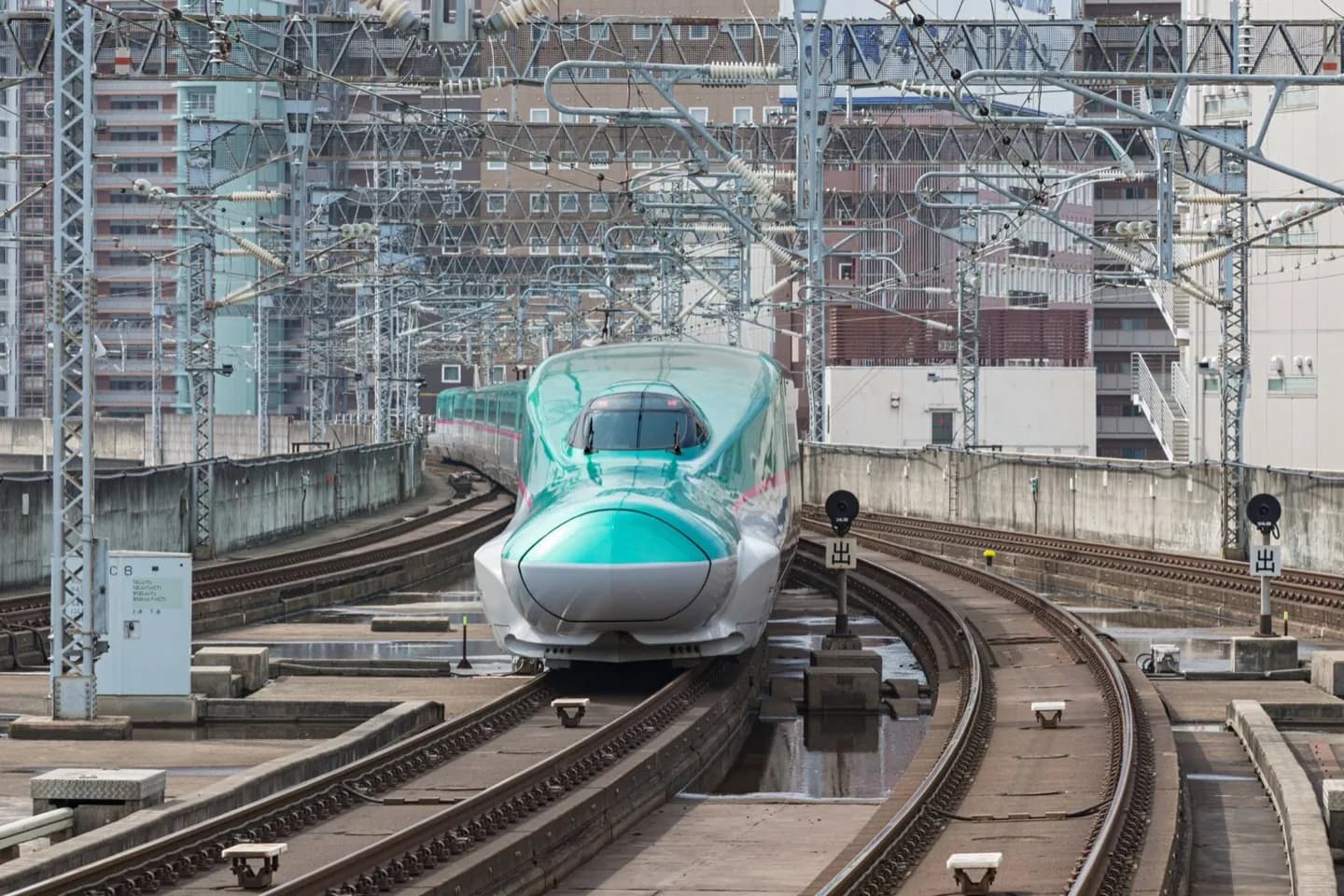
The early railway between Otaru and Sapporo served a growing island economy, including coal moving toward ports. Rail later connected major cities and helped Asahikawa grow as an inland junction. Cars and air travel expanded while some rural railways closed. For a visitor, that history is visible in the contrast between city-to-city rail travel and areas where a car, bus, flight or ferry needs advance planning.
The full story
Hokkaido's first railway linked Otaru and Sapporo in the nineteenth century. It was part of a wider network that moved coal and other goods toward the coast while connecting newly developing towns. Railway junctions helped inland centers such as Asahikawa grow. Ports also mattered: Hakodate and Otaru connected Hokkaido with Honshu and other coastal markets, and ferries carried passengers and freight across the strait. In the later twentieth century, cars and air travel took a larger role. Mine closures and falling use contributed to the loss of many rural railway lines. The Seikan Tunnel then created a rail link beneath the Tsugaru Strait. This layered history helps explain the map a traveler sees today. Rail remains useful between major cities, but it does not reach every lake, trailhead or island. Ferries and local transport still matter for offshore journeys, while a road trip can make sense where sights are spread across the countryside.
Useful to know
- Check present-day rail and bus connections before planning a remote park day.
- Allow time to change transport at the southern gateway when arriving from Honshu.