
Why go
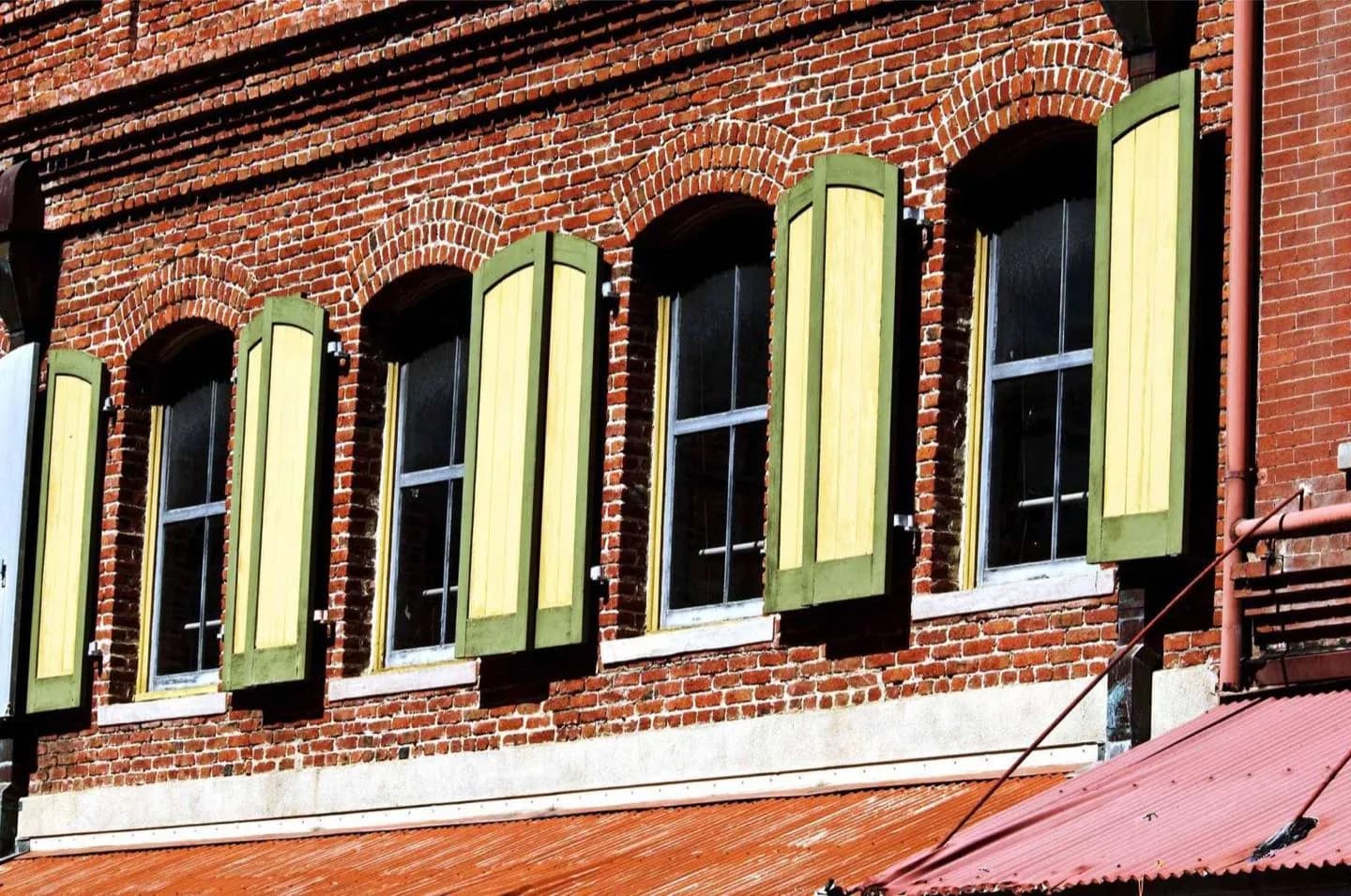
At Merchant Street Historic District, low-rise brick and stone buildings surrounded by contemporary concrete high rises serves as an open-air human-scale architectural museum of the city's commercial development between the 1850s and the 1930s Its architectural styles range from nondescript 19th-century commercial through Richardsonian Romanesque Italianate and Mission Revival It was added to the National Register of Historic Places in 1973 Notable buildings Melchers 1854.
What to look for
- Notice how Merchant Street Historic District relates to nearby streets, shoreline, and landscape.
The full story
Merchant Street Historic District provides a durable historical lens. Its original coral stone walls are no longer visible under its layers of stucco and paint and it now houses city government offices not private businesses Kamehameha V Post Office 1871 The Kamehameha V Post Office at the corner of Merchant and Bethel Streets was the first building in Hawaiʻi to be constructed entirely of precast concrete blocks reinforced with iron bars Bishop Bank 1878 Its distinctive features include a corner entrance arched windows and doors fine masonry work and brick pilasters below an ornamental cornice and parapet along the roofline all of which are obscured to some extent by its current exterior of monotone white stucco T R Foster Building 1891 The architectural style of the two-story T R Foster Building resembles that of the one-story Royal Saloon Both are modestly Italianate brick buildings with pilasters cornices and balustrades along the streetside rooflines Bishop Estate 1896 Constructed of dark.
Useful to know
- Check current access details before planning time inside Merchant Street Historic District.
Your next visit
Estimated · Declared scenario and planning estimates; no live opening, weather, queue or booking service.
Outdoor visit · 20–45 min
World planning estimate; admission, opening, visit duration and access need checking.