
Why go
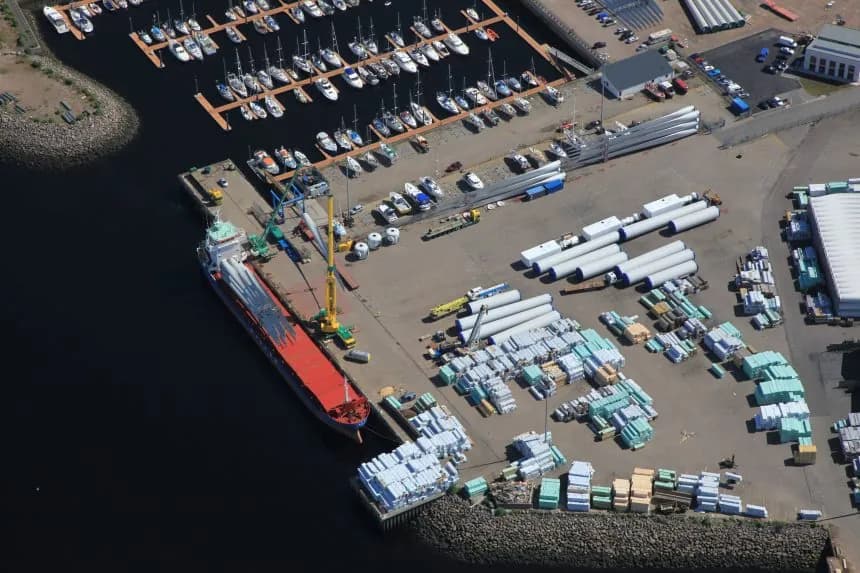
The harbour explains another side of Inverness beyond its castle and river walks: ships bring cargo into a sheltered natural port linked to the Highland economy. Its quays and position at the river mouth make sense of the city’s long trading connection.
What to look for
- The harbour occupies the River Ness mouth at the Beauly Firth.
- Working quays handle cargo rather than routine sightseeing visits.
The full story
The Port of Inverness has a documented history reaching back to 1249, when the harbour was first recorded. Its sheltered position at the mouth of the River Ness helped connect the Highland interior to coastal trade. Inverness Harbour Trust was established by an Act of Parliament in 1847, giving the port a formal body to manage its development. Today the harbour remains a working place, with quays and storage serving cargo such as timber, fuel, agricultural goods and equipment for wind energy. Those goods explain its role more clearly than its physical footprint on a map: the port supports industries across the Highlands while connecting them to sea routes. The harbour is spread across a larger area than any single map pin, and its working quays have a different purpose from a visitor attraction. The best interpretation is from public ground, where the meeting of river, firth and shipping can be understood without entering operational space.
Useful to know
- Observe harbour activity only from lawful public viewpoints; the quays are working areas.
- Use the harbour office location as orientation, not as a public entrance to the whole port.
Your next visit
Estimated · Declared scenario and planning estimates; no live opening, weather, queue or booking service.
Outdoor visit · 30–45 min
World planning estimate; admission, opening, visit duration and access need checking.