
Why go
Knowing the sequence changes what you notice at Hagia Sophia, the Hippodrome, Topkapı Palace and the land walls. It also prevents Byzantine and Ottoman features from blending into generic old-city scenery, making reuse, conversion and new construction easier to read on site.
The full story
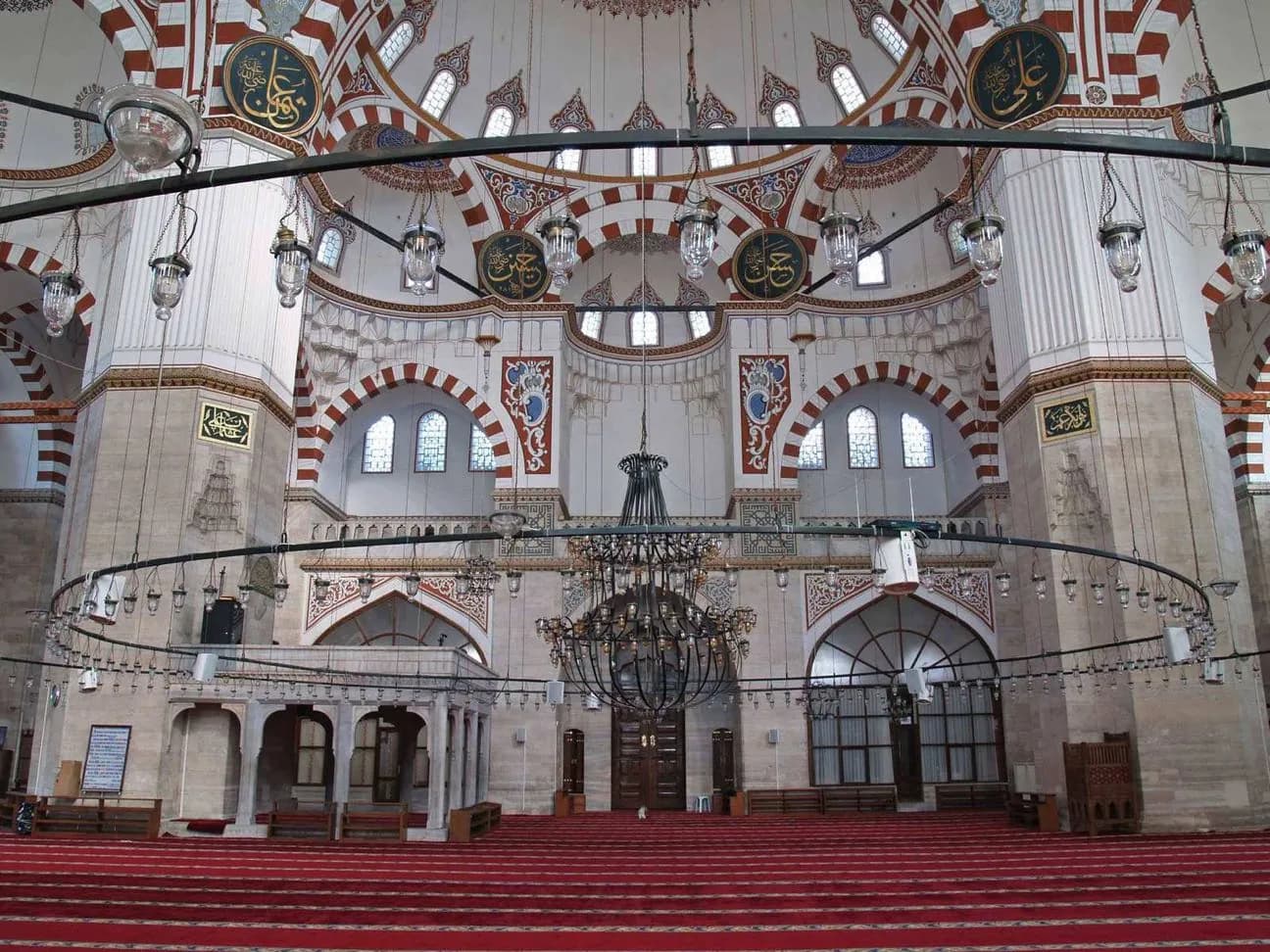
The settlement that became Constantinople occupied a defensible peninsula beside the Bosphorus and Golden Horn. Roman emperors created a capital with forums, an aqueduct, the Hippodrome and monumental columns. Under the Eastern Roman Empire, churches and palaces reshaped the skyline; Hagia Sophia became the clearest surviving expression of that ambition, while cisterns supported the crowded city below ground. The Theodosian walls defended the landward approach for centuries. Ottoman forces took the city in 1453 and transformed it into their imperial center. Existing buildings were reused, including Hagia Sophia, while new mosque complexes, markets and palaces reorganized urban life. Topkapı represented the earlier court; later rulers moved to Bosphorus palaces such as Dolmabahçe. Galata and Pera expanded through trade, banking and diplomatic communities, leaving churches, passages and European-influenced façades. The republic shifted political power to Ankara, but Istanbul continued to grow as Türkiye's largest city. Its history is not arranged in sealed periods: later rulers repaired, converted, framed and built beside earlier structures, so the most revealing views often contain several eras together.