
Why go
Use the region as your first clue when reading a menu. Ligurian pesto, Emilia-Romagna’s ragù and Parmigiano Reggiano, Neapolitan pizza and Sardinian pecorino each point to a different landscape and food history. This makes a meal a way to understand where you are, not just a search for a national signature dish.
The full story
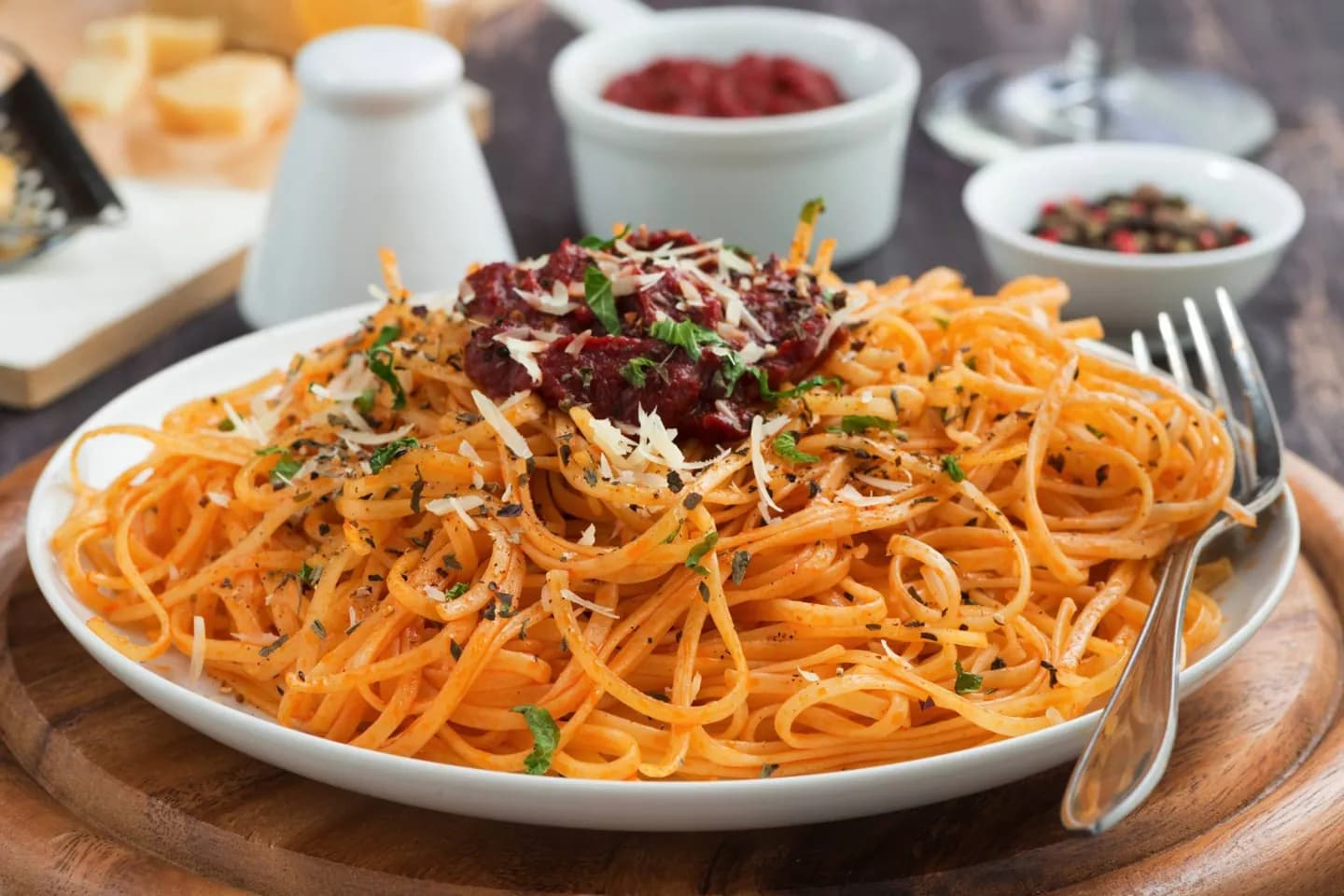
Many ingredients now treated as inseparable from Italian cooking arrived at different times. Tomatoes, potatoes, peppers and maize followed contact with the Americas and became widely used only later. Regional differences remain a better guide than a single national menu. In the north, the Valle d’Aosta is associated with alpine cheeses, Liguria with pesto and Piedmont with the Alba truffle. Risotto and polenta play a larger role in parts of the north than they do farther south. Tuscany is linked with olive oil and bean dishes, while Emilia-Romagna is known for prosciutto di Parma, Parmigiano Reggiano and ragù. Campania gives visitors familiar dishes such as pizza and pasta with tomato sauce. Sicily’s citrus, seafood and sweets differ from Sardinia’s breads, lamb and pecorino. Turin’s bicerin, a drink combining coffee and chocolate, is another reminder that even familiar café habits have local variations.