
Why go
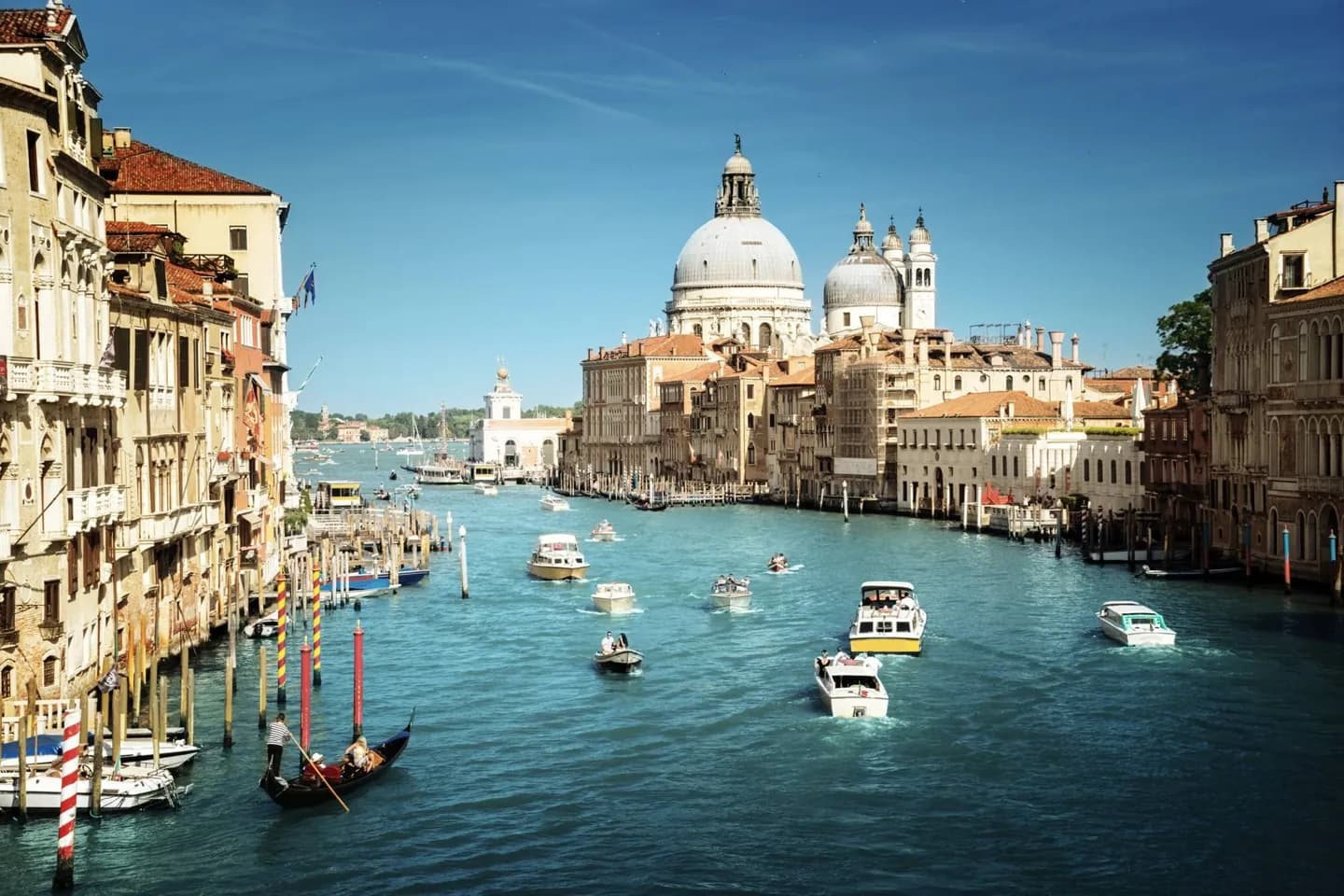
The old route explains why certain Italian cities became regular stops on cultural trips. Follow one stretch rather than treating it as a modern checklist: Venice and nearby Veneto cities for architecture, Florence and Tuscany for art, or Rome and the Bay of Naples for antiquity. Each pairing gives the historic journey a clearer purpose.
The full story
From the late 17th century, wealthy European travelers, many of them British, made extended journeys to study art, architecture and ancient history. The route was flexible, but its Italian stops formed a recognizable pattern. Some entered through Turin or Genoa before reaching Venice; Verona, Vicenza and Padua could extend that northern stage. In Tuscany, Florence was a major draw, with Siena, Pisa, Lucca and San Gimignano among other stops. Rome gave travelers an especially dense encounter with ancient remains and later art. Farther south, the Bay of Naples gained importance, as did Pompeii and Herculaneum once their buried remains became known. Some travelers continued to Sicily. These were lengthy, privileged journeys, not a practical template for one holiday. Their lasting value is the way they connected places through themes that still help a visitor plan: classical ruins, Renaissance art and the built landscapes of different regions.