
Why go
Literary history can add another layer to a visit. Sicily connects to early vernacular poetry and the sonnet; Florence to Dante and the shaping of written Italian; nineteenth-century writing to the Risorgimento and debates over national identity. These places give the texts a clearer setting.
The full story
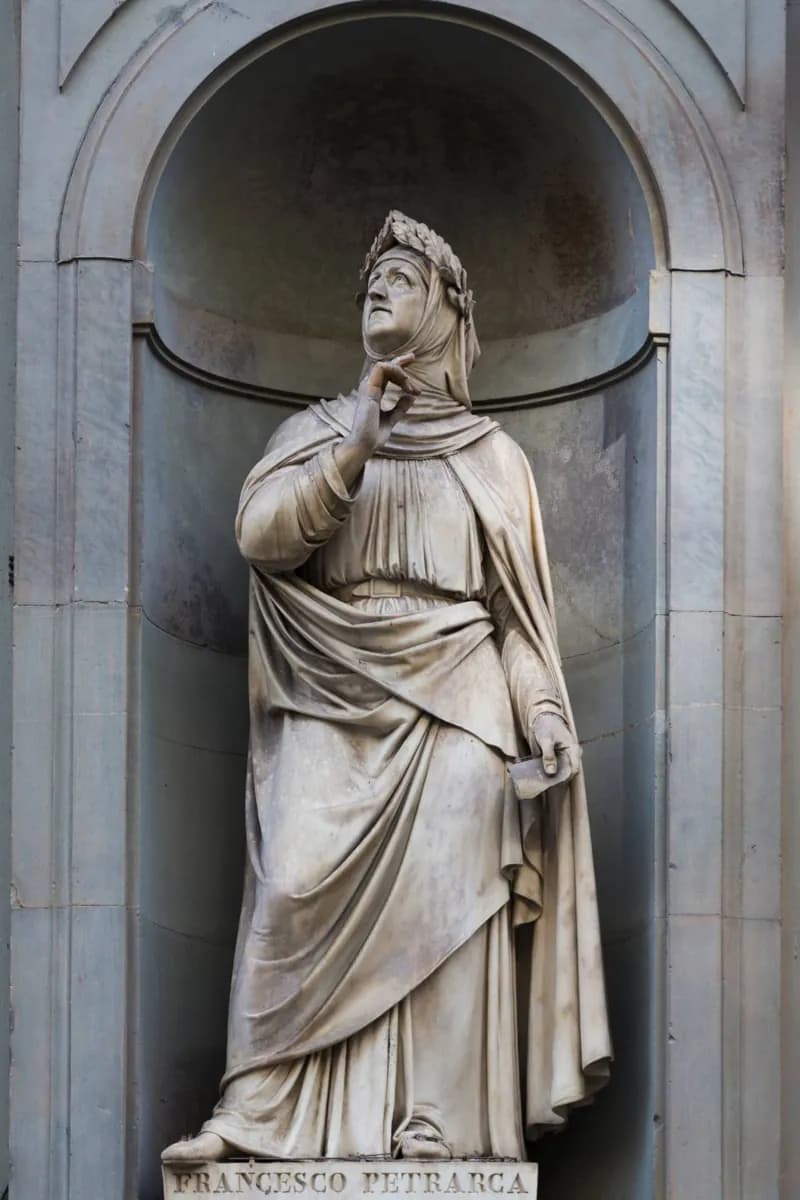
Latin literature belongs to ancient Rome, but writing in the Italian vernacular took shape much later. At Frederick II’s Sicilian court in the thirteenth century, poets adapted Provençal themes and forms. Giacomo da Lentini is closely associated with the early sonnet. In Florence, Dante’s Divine Comedy helped give literary Italian a lasting model. Petrarch’s poems and Boccaccio’s Decameron then extended the range of writing in the fourteenth century. Renaissance authors explored other subjects: Machiavelli’s The Prince considered political power, while Ariosto’s Orlando Furioso developed a long chivalric poem. In the nineteenth century, literary Romanticism overlapped with the Risorgimento, the movement toward Italian unification. Alessandro Manzoni’s The Betrothed became a major historical novel, and Giovanni Verga later became a leading voice of Verismo, a realist movement. The sequence matters because the writers did not describe one unchanged Italy. Their languages, courts and political concerns shifted as the peninsula itself changed.