
Why go
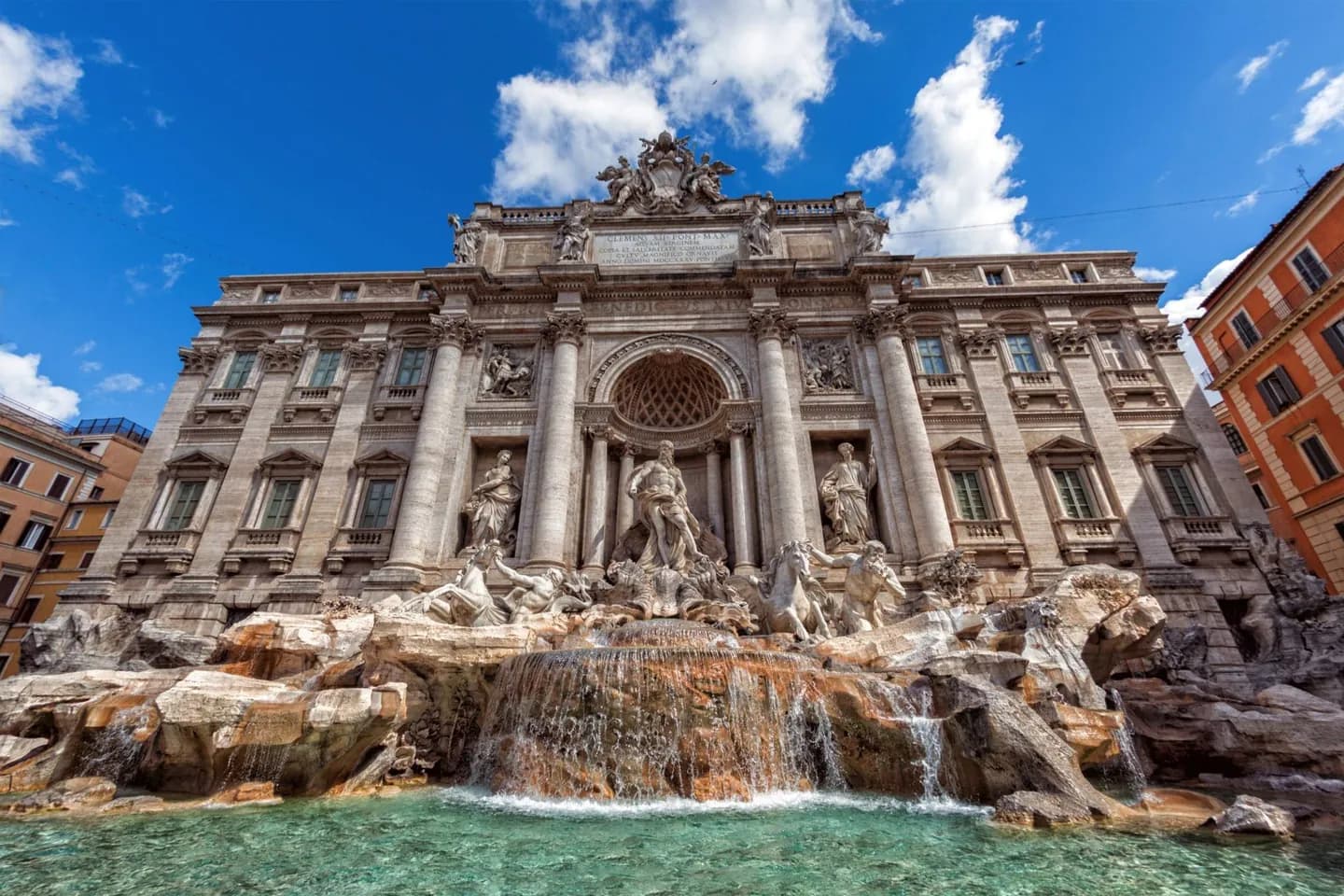
Florence offers a particularly clear comparison: Donatello revived the freestanding nude, while Michelangelo’s David shows its subject tense before the fight. In Rome, Bernini’s Baroque work pushes figures into motion. Looking for those differences makes individual sculptures easier to remember than a long chronology of names.
The full story
Sculpture on the Italian peninsula draws from several traditions. Etruscan work preceded Rome, while Roman artists combined local and Greek influences. Republican portrait busts often emphasized individual faces; imperial sculpture could join a recognizable head to an idealized body. In the Middle Ages, much large sculpture served churches, including altars, pulpits and crucifixes. Nicola and Giovanni Pisano drew on surviving Roman forms as they developed their reliefs. Renaissance sculptors gave the human figure renewed independence from its architectural setting. Donatello’s bronze David stands fully in the round. Michelangelo’s David differs in mood: the figure is poised before his encounter with Goliath. His figures of Night and Day in Florence’s Medici Chapel offer another, more brooding view of the body. Bernini later brought a stronger sense of action to Baroque sculpture. The sequence is easiest to grasp by comparing pose, expression and setting.